Nobody moves to Las Vegas for the winters, and that's exactly why they catch people off guard. We'll get a run of 60-degree afternoons, then a clear December night drops into the mid-20s and every exposed pipe in town is at risk.
The pipes that burst here aren't buried deep inside a heated house — they're the ones out in the cold: hose bibs, garage lines, and anything running through an exterior wall. Winterizing them takes an afternoon and a few dollars in foam. Here's the checklist before the first hard freeze.
Start with the hose bibs and garden hoses
The number-one cold-weather burst in the valley starts at an outdoor faucet with a hose still attached. Water trapped in the hose freezes, the ice backs up into the bib and the pipe behind it, and the split often hides inside the wall until it thaws and starts spraying.
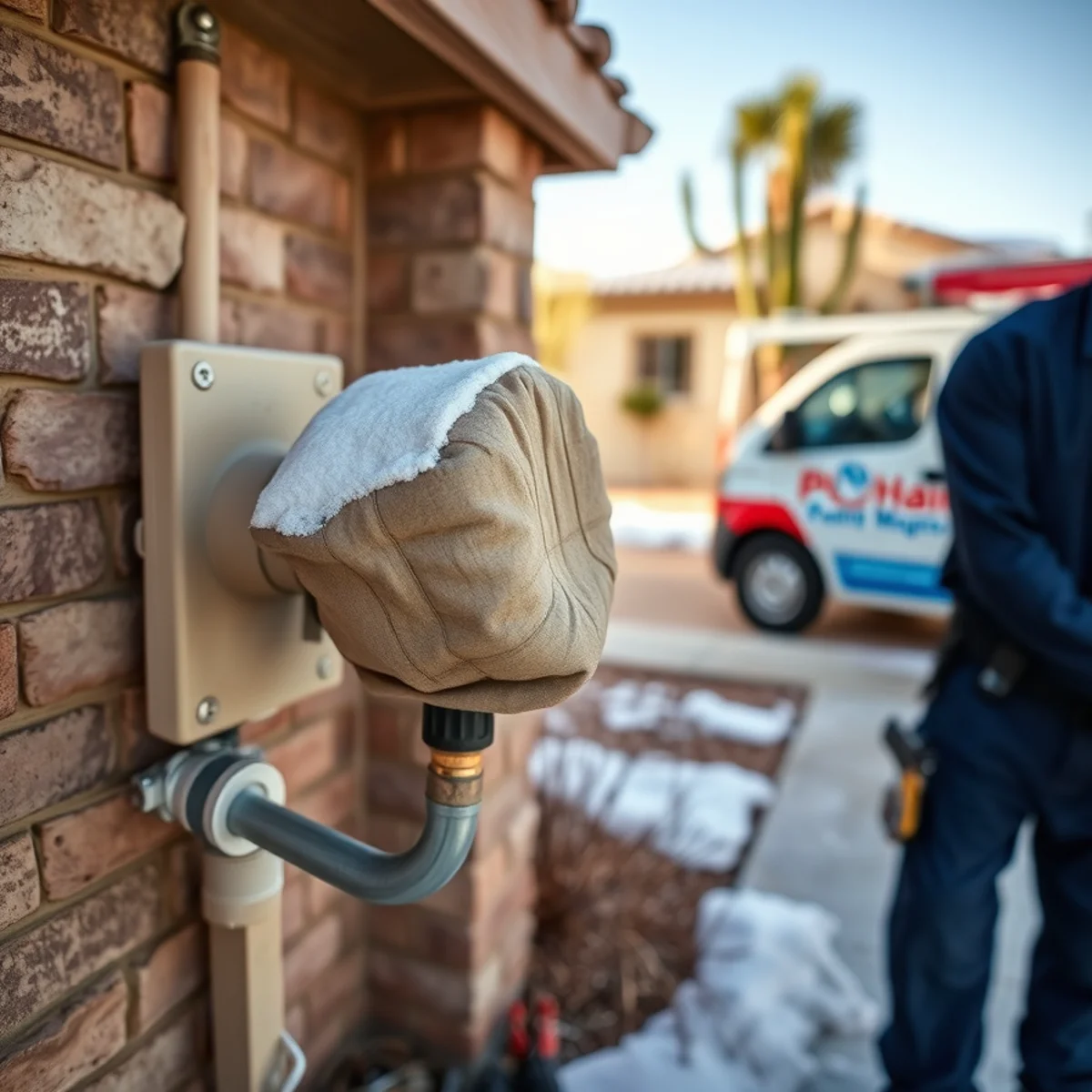
Disconnect and drain every garden hose before the first freeze, then store them. Cover each hose bib with an insulated faucet cover — a couple of dollars at any hardware store. If you have frost-proof spigots, great; if you have old-style bibs on the north or west walls, those are your weak points.
- Disconnect, drain, and coil every garden hose
- Cap each hose bib with an insulated faucet cover
- Shut off and drain any dedicated drip or irrigation line for winter
- Check the bibs on shaded north and west walls first
Insulate the pipes that live in the cold
Walk your garage, exterior walls, and any unconditioned space — attic runs, a detached casita, the odd exposed line along a side yard. Copper or PEX out there is what freezes first. Slip foam pipe sleeves over the runs you can reach; they cost a few dollars per length and install in seconds.
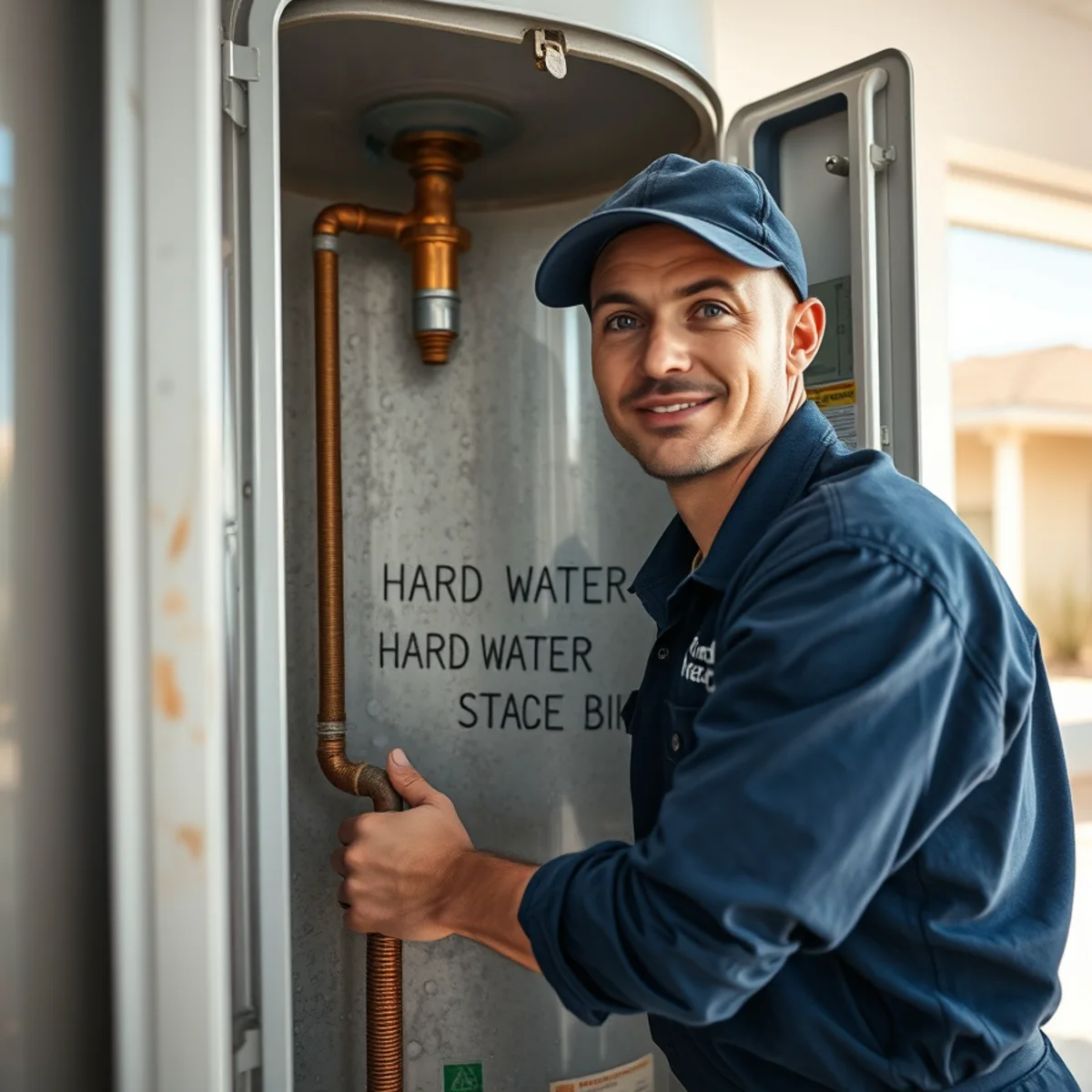
Pay special attention to the pipe feeding the water heater if it sits in the garage, and to the washer connections on an exterior wall. These spots are cheap to protect and expensive to ignore.
Know where the water shuts off
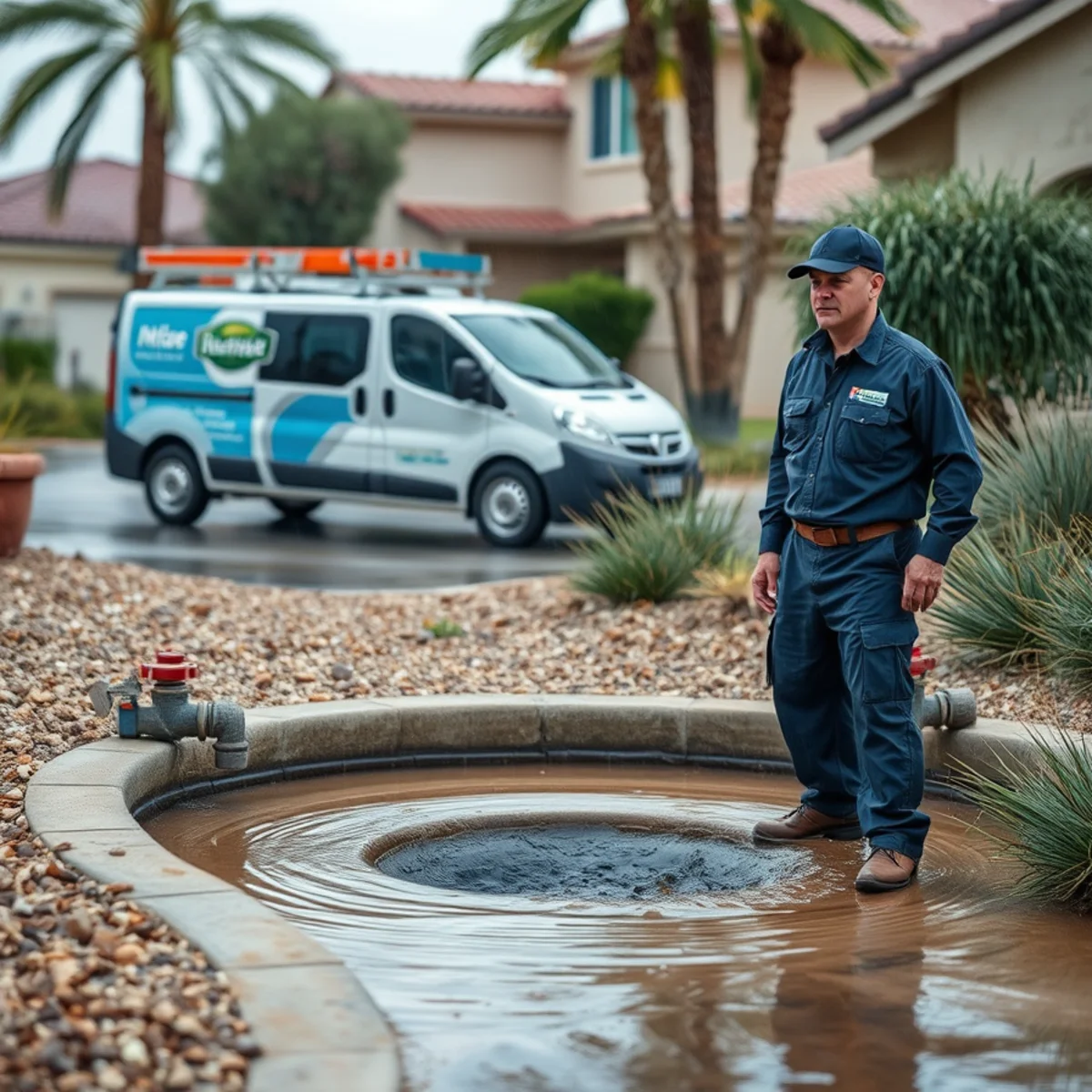
If a pipe does let go, the damage is measured by how fast you kill the water. Everyone in the house should know where the main shutoff is and be able to close it in the dark — before a freeze, not during the flood.
If you've never located yours, do it tonight. We walk through it step by step in our guide to finding and shutting off your main valve. Tag the valve, and if it's a stiff old gate valve that won't turn, have it swapped now while it's a scheduled visit and not an emergency.
On the coldest nights, take two extra steps
When the forecast calls for a hard, sustained freeze — the kind we get a few times each winter — add two habits. Let a faucet on an exterior wall drip overnight; moving water resists freezing, and a trickle relieves the pressure that actually bursts pipes. And open the cabinet doors under sinks on outside walls so household heat reaches the plumbing.
These cost you a few gallons and are far cheaper than a burst pipe repair. If a pipe splits despite your prep, shut the main and call — we run 24/7 emergency plumbing across Las Vegas and answer the phone on the coldest nights of the year.
Leaving town? Winterize for real
Snowbirds and anyone heading out for the holidays should go a step further. A pipe that bursts in an empty house can run for days before anyone notices. At minimum, shut off the main and open a couple of faucets to drain pressure from the system.
For a longer absence, or a higher-elevation second home where real freezes are routine, drain the lines and set the water heater to its 'vacation' setting. The gap between valley temperatures and a mountain cabin is dramatic — our post on frozen pipes in Las Vegas covers how much colder the outlying and elevated areas get.
Talk to a Las Vegas plumber now
Open 24/7 for plumbing emergencies. Call for honest, up-front pricing.
Frequently asked questions
Does Las Vegas really get cold enough to freeze pipes?
In the valley it's occasional — a handful of nights each winter dip low enough to freeze exposed hose bibs, garage lines, and outside-wall pipes. Higher-elevation areas freeze routinely. Interior, heated plumbing is rarely at risk.
When should I winterize?
Before the first hard freeze, usually late November or early December. Disconnecting hoses and capping bibs takes an afternoon; do it once and you're set for the whole season.
Should I leave the heat on if I go away for the winter?
Set it no lower than about 55°F so interior pipes stay warm, and either shut off the main or fully drain the system. For a long absence, draining the lines is the safer bet.
The bottom line
Disconnect the hoses, cap the bibs, sleeve the exposed pipe, and know your shutoff — that's winterizing in Las Vegas, and it takes one afternoon. Do it before the first freeze and you'll sleep through the cold nights. If a pipe still bursts, we're on call 24/7 — (614) 830-0578.
Related pages