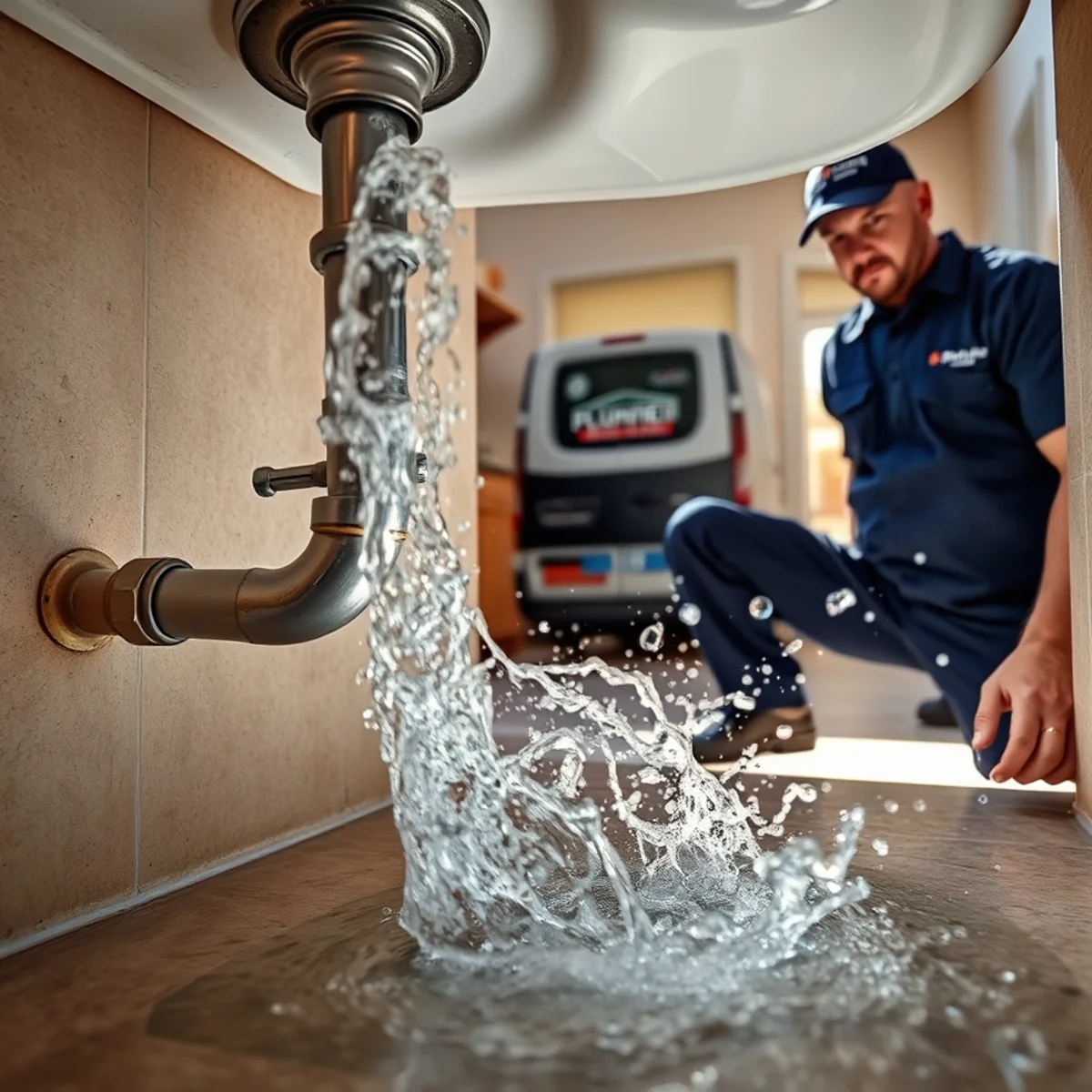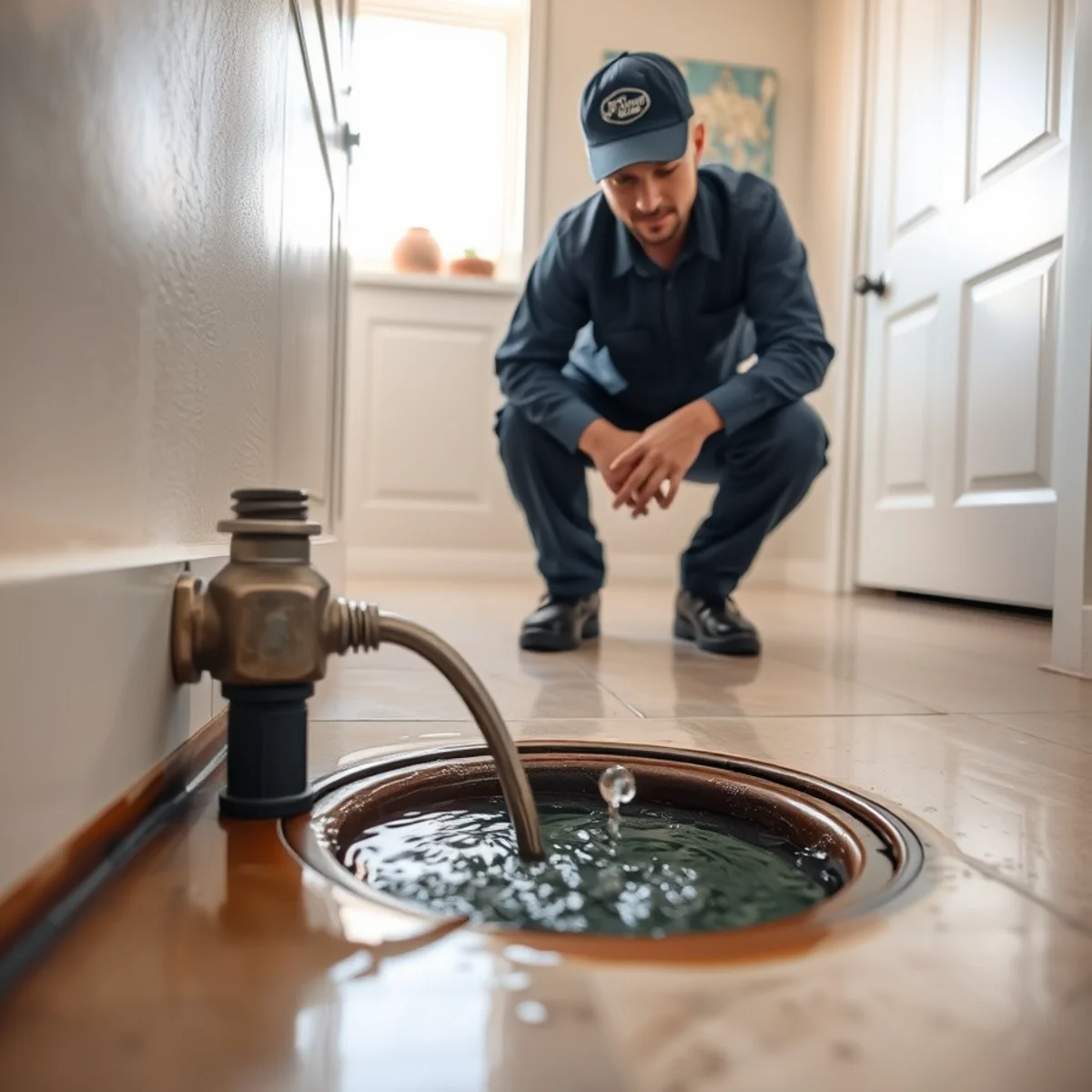
In a plumbing emergency, the difference between a quick cleanup and a ruined room often comes down to one thing: how fast you can shut off the water. Yet most people have never located their main valve until they desperately need it.
Take five minutes now to find yours. Here's where to look in a typical Las Vegas home.
Where the main shutoff usually is
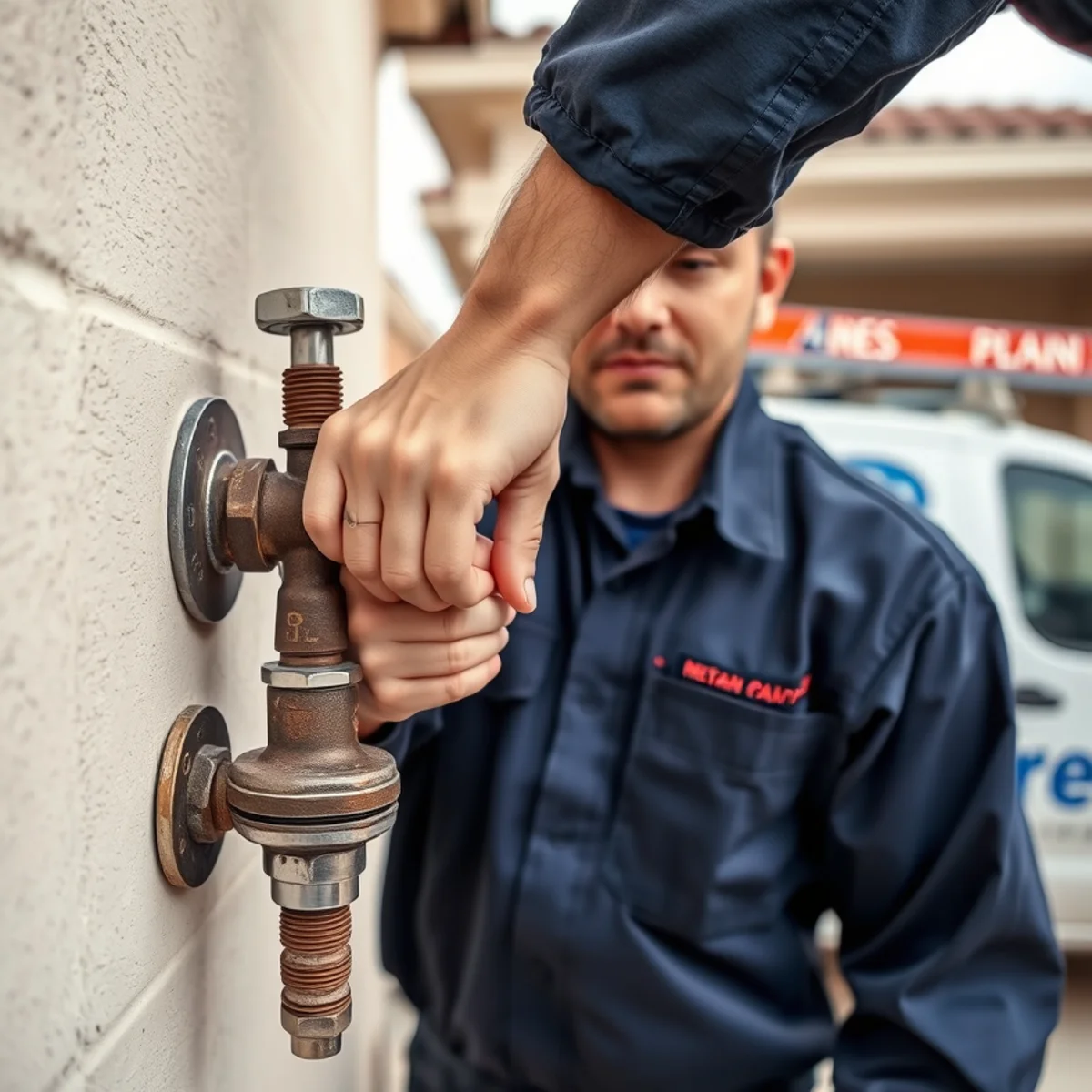
In valley homes, the main shutoff is most often in one of a few places: on an exterior wall near the front of the house (frequently by the first hose bib), inside the garage on the wall shared with the front of the home, or occasionally in an interior utility area.
It'll be on the pipe where water enters the house, before it branches to fixtures. Look for either a lever (ball valve) or a round wheel (gate valve).
How to shut it off
For a lever valve, turn it a quarter turn until it's crosswise to the pipe — that's off. For a round wheel, turn it clockwise (righty-tighty) until it stops. Then open a low faucet to confirm the water's off and to drain remaining pressure.
If an old gate valve is stiff or won't fully close, don't force it into breaking. That's a sign it should be replaced with a modern quarter-turn valve — an easy job we can do on a normal visit so it's reliable when you need it.
The meter shutoff (backup option)
If you can't find or operate the house valve, there's a shutoff at the water meter, usually in a box near the street. You may need a meter key (a cheap tool worth owning) to turn it. This shuts off everything, including outdoor lines.
Make it easy for everyone
Once you find the valve, tag it, take a photo, and show everyone in the house — including teens and guests who house-sit. In an emergency like a burst pipe, seconds count and panic sets in. A labeled valve everyone knows about is cheap insurance.
While you're at it, save our number. We handle 24/7 emergency plumbing across the valley, including fast response into Las Vegas and the south communities near our shop.
Know your fixture shutoffs too
The main valve kills water to the whole house, but many problems only need you to isolate one fixture — and knowing the smaller shutoffs lets you stop a leak without leaving the rest of the house dry.
- Under-sink angle stops feed each faucet — turn the oval handle clockwise to isolate a leaking faucet or supply line.
- Toilet shutoff is on the wall behind the base — the fix for a running or overflowing toilet.
- Water heater shutoff is on the cold inlet at the top of the tank — close it if the heater leaks.
- Irrigation shutoff isolates the sprinklers from the house supply.
Talk to a Las Vegas plumber now
Open 24/7 for plumbing emergencies. Call for honest, up-front pricing.
Frequently asked questions
What if my shutoff valve is stuck or leaks when I use it?
That's common with older gate valves. Don't force it. Have it replaced with a modern quarter-turn ball valve so it closes fully and reliably in an emergency — we can do it on a routine visit.
Should I turn off water at the valve or the meter?
Use the house valve first — it's faster and easier. The meter shutoff is the backup if the house valve fails or you can't find it; it usually needs a meter key.
What if my house has no accessible main shutoff at all?
Some older valley homes never had a convenient interior or exterior shutoff, leaving only the meter valve at the street. That's worth fixing: we can add a modern quarter-turn main shutoff in an accessible spot so you're not hunting for a meter key during an emergency. It's a routine job — call (614) 830-0578.
The bottom line
Find your main valve today, make sure it works, and teach the household where it is. It's the single best emergency prep you can do — and if your valve is old and stiff, call us to swap it: (614) 830-0578.
Related pages