Las Vegas isn't Minnesota, but every winter brings a few nights below freezing — and in higher-elevation and outlying areas, real cold. Exposed pipes, garage lines, and hose bibs are the ones that catch people off guard.
If you turn on a tap during a cold snap and get only a trickle, you may have a frozen pipe. Here's how to handle it without turning a freeze into a burst.
How to tell a pipe is frozen
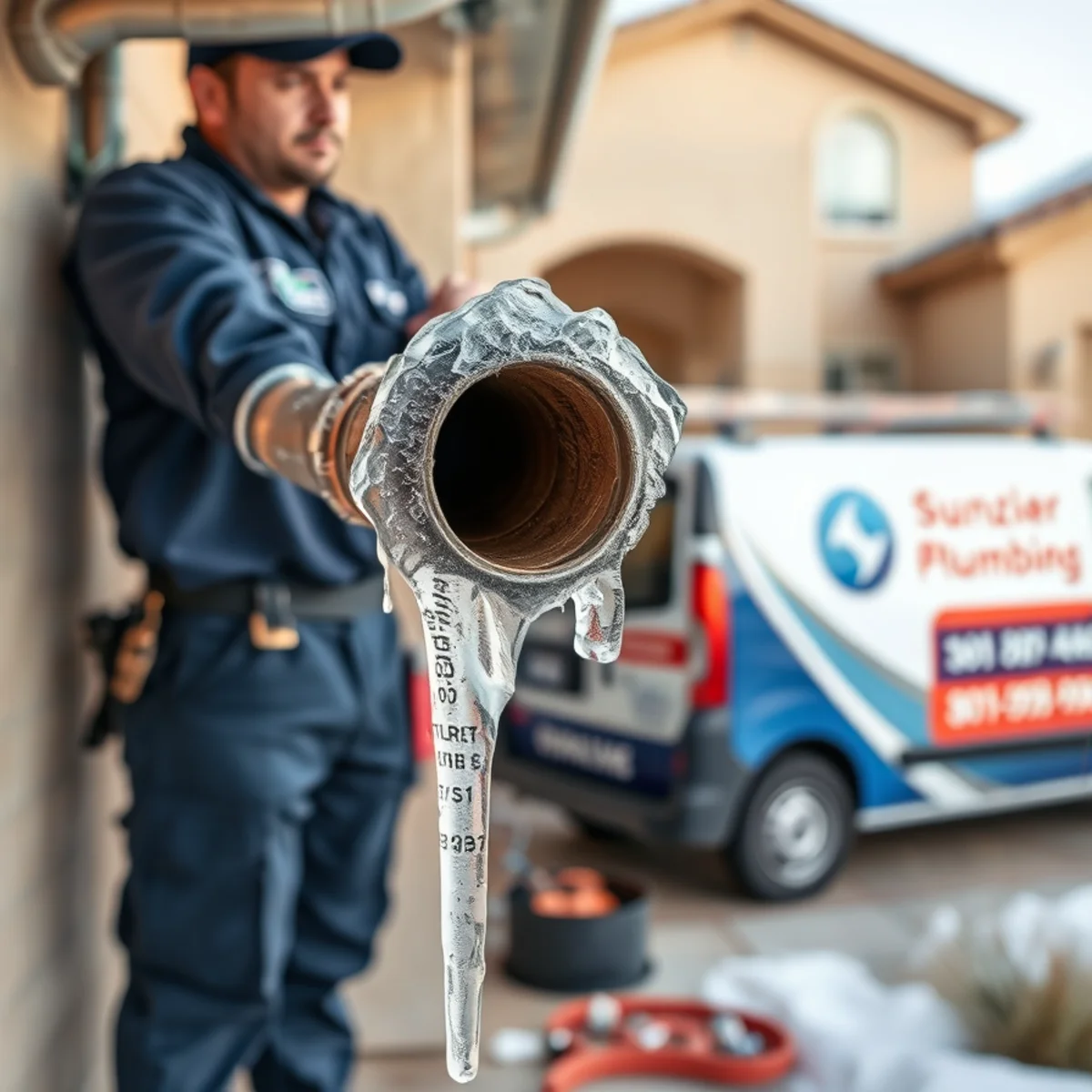
The tell is a faucet that won't flow (or barely does) after a cold night, while others work. Frost on an exposed pipe, or a pipe that's bulging, confirms it. The most vulnerable spots are exterior walls, garages, hose bibs, and anywhere a line runs unheated.
Thaw it safely
Open the affected faucet so melting water can escape and relieve pressure. Apply gentle heat to the frozen section — a hair dryer, warm towels, or a space heater kept a safe distance away. Work from the faucet end toward the blockage.
Never use an open flame or a blowtorch. You'll damage the pipe or start a fire, and you can flash-boil trapped water into a burst.
If the pipe bursts
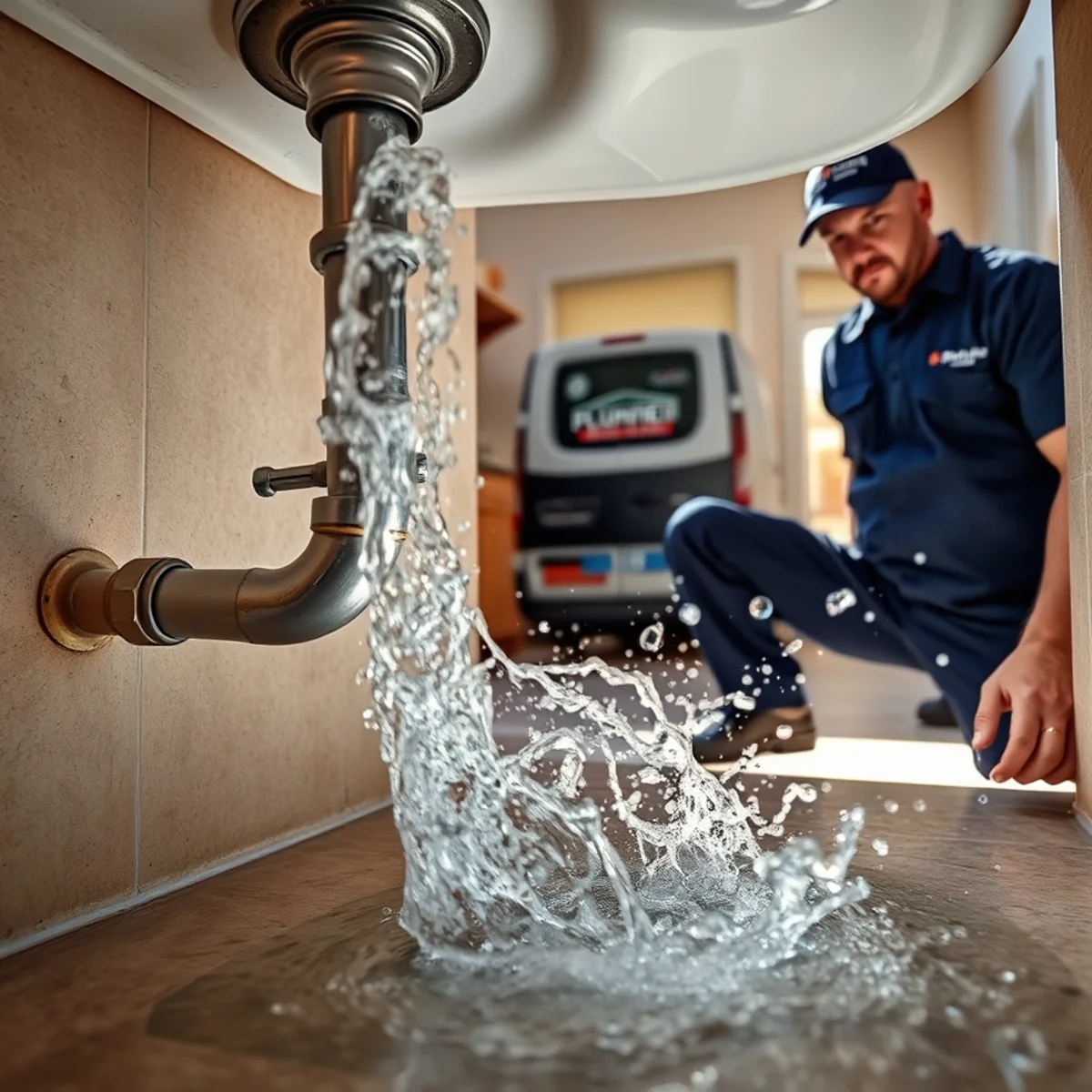
Frozen water expands and can split the pipe — you may not know until it thaws and starts spraying. If that happens, shut off your main water valve immediately and call for emergency burst pipe repair. We're on call 24/7.
Prevent the next freeze
Prevention is easy: disconnect and drain garden hoses, insulate exposed pipes and hose bibs with foam sleeves, and on the coldest nights let a faucet drip and open cabinet doors so warm air reaches the pipes. This matters most for outlying and elevated areas — think cabins up in Mount Charleston, where true freezes are routine.
- Disconnect and drain hoses before a freeze
- Insulate hose bibs and exposed/garage pipes
- Let a faucet drip on the coldest nights
- Winterize seasonal and mountain properties fully
The spots that freeze first here
In a desert home the freeze risk isn't evenly spread — it's a short list of exposed, unheated runs that a cold snap finds first. Know yours and you can protect them before the temperature drops.
- Hose bibs and exterior faucets on north- and west-facing walls.
- Garage and attic lines that run outside the heated envelope.
- Pool and irrigation equipment and their exposed supply lines.
- RV hookups, casitas and outbuildings that don't get heated at night.
- Anything in an outlying or elevated area — Mount Charleston cabins freeze routinely.
Talk to a Las Vegas plumber now
Open 24/7 for plumbing emergencies. Call for honest, up-front pricing.
Frequently asked questions
Do pipes really freeze in Las Vegas?
In the valley it's uncommon but not rare — exposed pipes, hose bibs and garage lines can freeze on the coldest nights. In higher-elevation areas like Mount Charleston, hard freezes are a normal part of winter.
Should I leave faucets dripping in a cold snap?
For vulnerable, exposed lines, yes. A slow drip keeps water moving and relieves pressure, which helps prevent both freezing and bursting on the coldest nights.
How cold does it have to get before my pipes are at risk?
Water freezes at 32°F, but exposed pipes are generally most at risk once it sits around 20°F for several hours — which the valley does hit a few nights each winter, and outlying and mountain areas far exceed. Insulate the vulnerable spots ahead of time and let a faucet drip on the coldest nights.
The bottom line
Open the tap, apply gentle heat, and never use a flame. Insulate the vulnerable spots before winter and you'll likely never deal with it. If a frozen pipe bursts, shut off the main and call us 24/7 — (614) 830-0578.