Swapping your swamp cooler for refrigerated air conditioning is one of the best comfort upgrades a valley home can make. But almost everyone plans it as an HVAC job and forgets one thing.
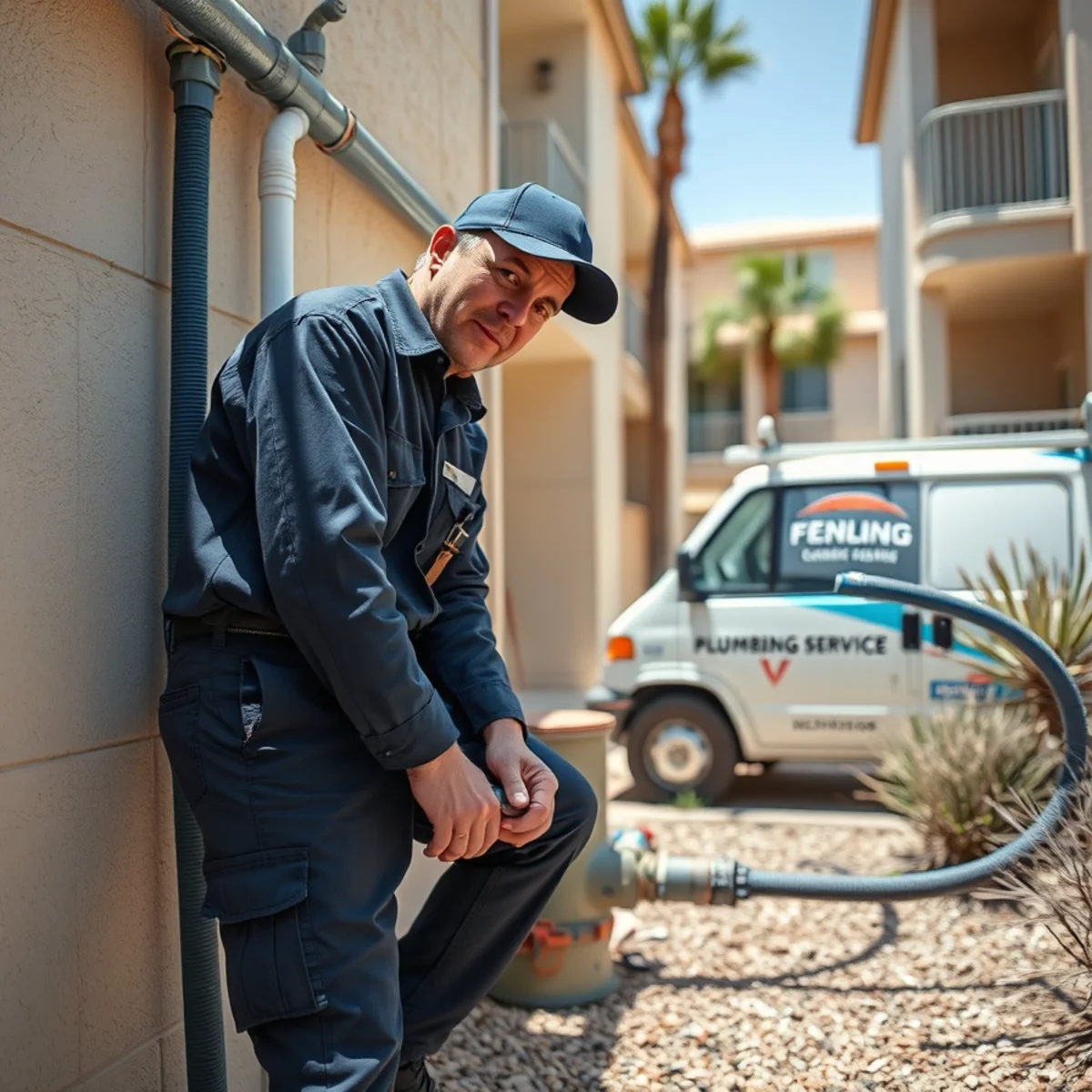
That swamp cooler ran on water. There is a supply line feeding it — often up in the attic or across the roof — and when the cooler comes out, that line does not vanish. Handled wrong, it becomes an abandoned, pressurized pipe waiting to leak into your ceiling. Here is the plumbing side of a conversion that nobody mentions.
Swamp coolers run on water — and that line stays behind
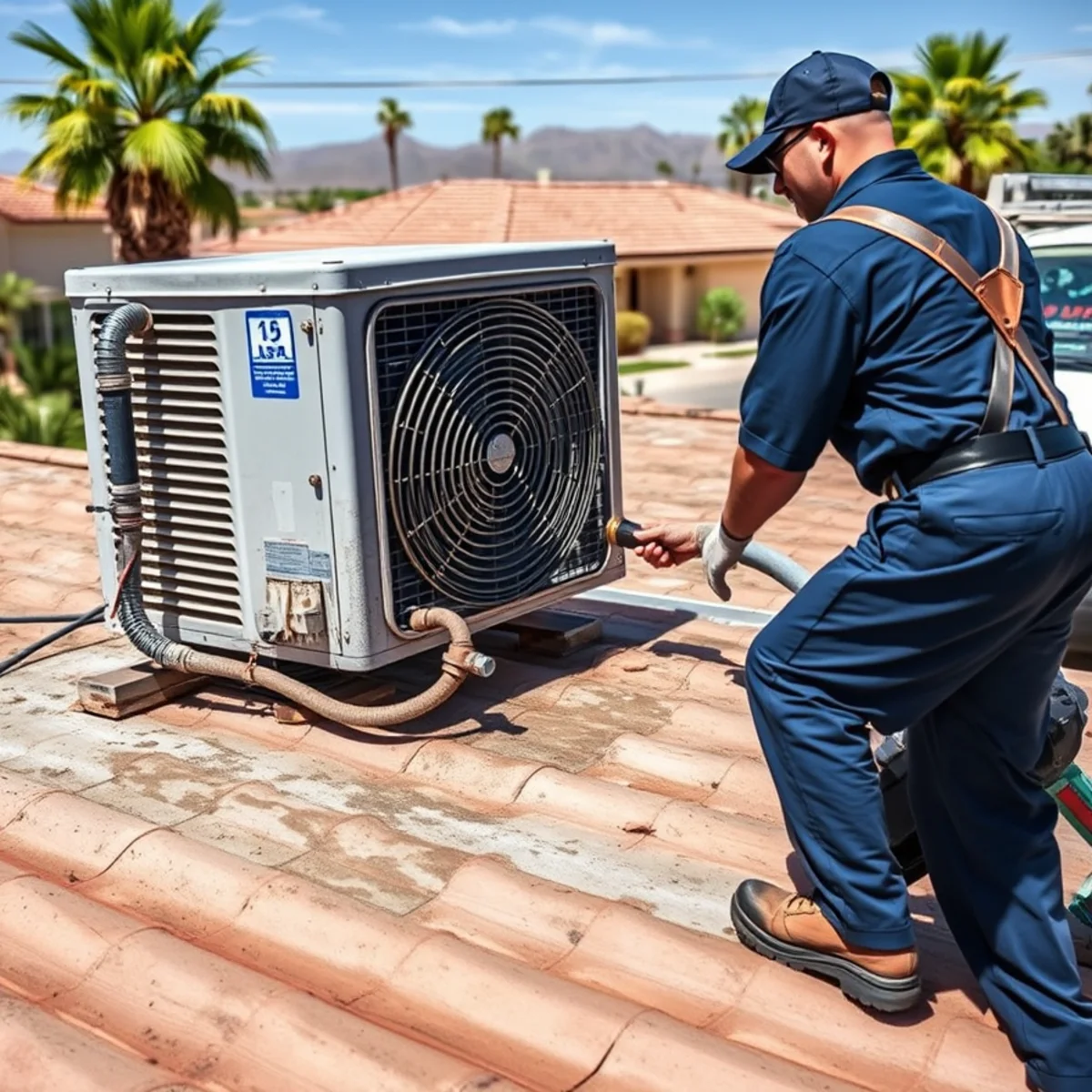
An evaporative cooler works by trickling water over pads while a fan pulls air through them. To do that, it needs a constant water feed — usually a quarter-inch copper or plastic line tapped off your household plumbing and run up to the unit on the roof or in a window.
When an HVAC crew removes the cooler, they disconnect it at the unit. But the line that fed it is still tied into your home's plumbing back at the tee where it branched off. Unless someone deals with that connection, you now have a dead-end pipe still under full house pressure.
The abandoned water line is a leak waiting to happen
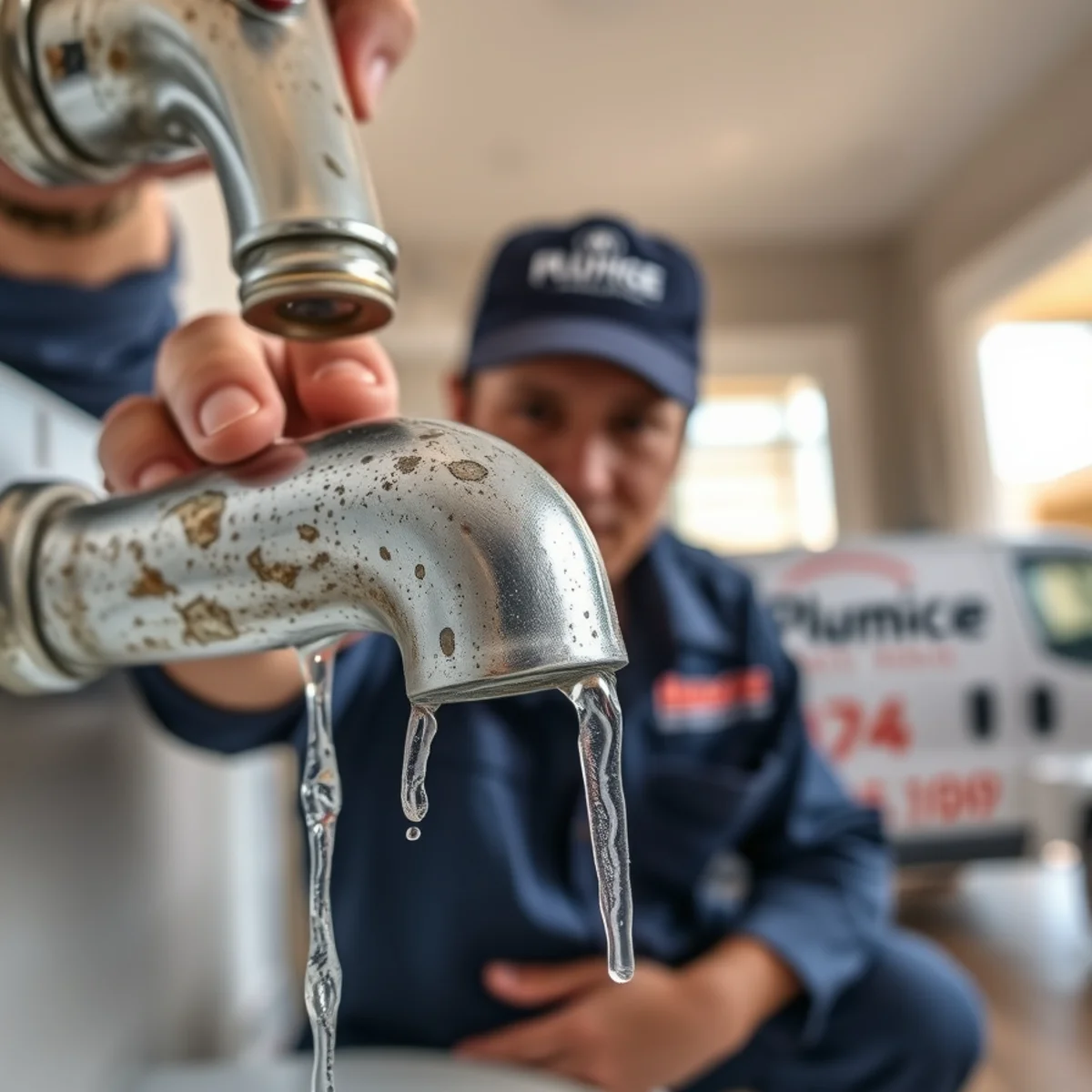
A pressurized dead leg is exactly the kind of thing that fails quietly. Sitting in a hot attic, a capped-only-at-the-top line can weep at an old fitting, and on a rare valley cold snap an exposed rooftop stub can freeze and split. Either way the water ends up in your ceiling, not the sky.
The right fix is to trace the cooler line back and cap it at the branch — ideally removing the dead run entirely — instead of just sealing it at the roof. That is residential plumbing work, not HVAC, and it is the step most conversions skip.
Roof and wall penetrations
The cooler also left holes. There is the roof or wall opening where the unit sat, plus the penetration where the water line passed through. Both need to be properly closed so the next monsoon does not find them.
Coordinating that is where a plumber and roofer earn their keep. We make sure the water line is dead and removed at the penetration so it is not left buried in a patched roof, quietly holding pressure under the new shingles.
Reclaiming the line and checking your pressure
Sometimes that old cooler feed can be put to better use — recapped cleanly, or repurposed for a hose bib or a future connection — rather than just abandoned. It is worth deciding on purpose instead of leaving a mystery pipe in the attic.
Older parts of town are where this comes up most. Homes around East Las Vegas and the Boulder Highway corridor still run plenty of swamp coolers, and their conversions are exactly the projects where a stray water line gets overlooked. If you are buying one of these homes, add it to your home plumbing inspection checklist.
Do it right the first time
A clean conversion coordinates the two trades. The HVAC team sets the condenser and air handler; we cap or remove the cooler's water line at the source, pressure-test to confirm there are no leaks, and check the old cooler drain and overflow so nothing is left half-connected.
We handle swamp cooler removal and conversion plumbing across the valley, always with a written, up-front price. Doing it properly now is cheaper than finding the abandoned line the hard way — see our plumbing maintenance checklist for the other seasonal items worth catching at the same time.
Talk to a Las Vegas plumber now
Open 24/7 for plumbing emergencies. Call for honest, up-front pricing.
Frequently asked questions
Can't the HVAC company just cap off the cooler line?
They will cap it at the unit, which stops the obvious drip. Best practice is to isolate the line back at the branch so there is no pressurized dead leg left in the attic to fail later. That is a plumbing task.
Why does an abandoned water line matter if it's capped?
A capped-at-one-end line still holds house pressure and stagnates. Dead legs can weep at fittings, freeze on cold nights, and hide until they flood a ceiling. Removing the run is the reliable fix.
Do I need a permit to convert a swamp cooler to AC?
Conversions typically require permits, and the plumbing changes should be done to code. We make sure the water side is capped and pressure-tested properly as part of the job.
The bottom line
Refrigerated air is worth every penny in a Las Vegas summer — just do not leave the swamp cooler's water line behind to surprise you later. Cap it at the source, remove the dead run, and pressure-test the result. Planning a conversion? Call Mike's Drain and Plumbing at (614) 830-0578.