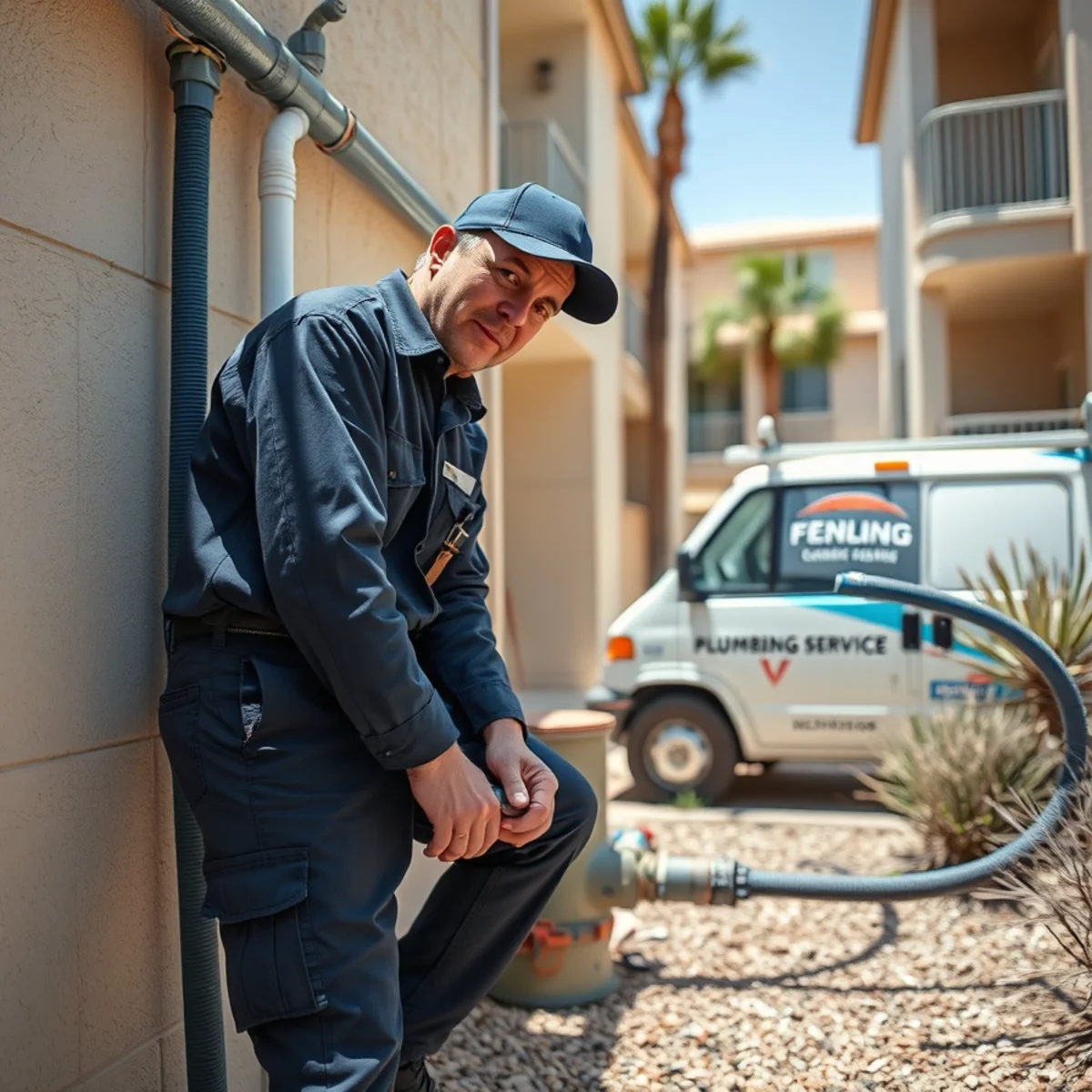
A general home inspection gives the plumbing a quick once-over. It rarely tells you what that plumbing is going to cost you over the next few years — and in the valley, that gap can be expensive.
Hard water, slab leaks, and the pipe material hiding in the walls all sit behind a passing inspection. If you are buying in Enterprise or Silverado Ranch, run this plumbing-specific checklist before you close, so the house does not hand you a surprise after you get the keys.
Start with the build era
Age tells you most of what to worry about. Enterprise and Silverado Ranch filled in largely from the late 1990s through the 2000s, so most homes there were plumbed in the copper-and-PEX era — good news. But the area has older pockets too, and a few years on the build date changes the risk profile.
Homes from the late '70s through the mid-'90s can hide polybutylene; older still can mean galvanized steel. Both are worth ruling out. If you are looking at anything from that window, read our guide to polybutylene pipes in Las Vegas homes first.
Check the pipe material
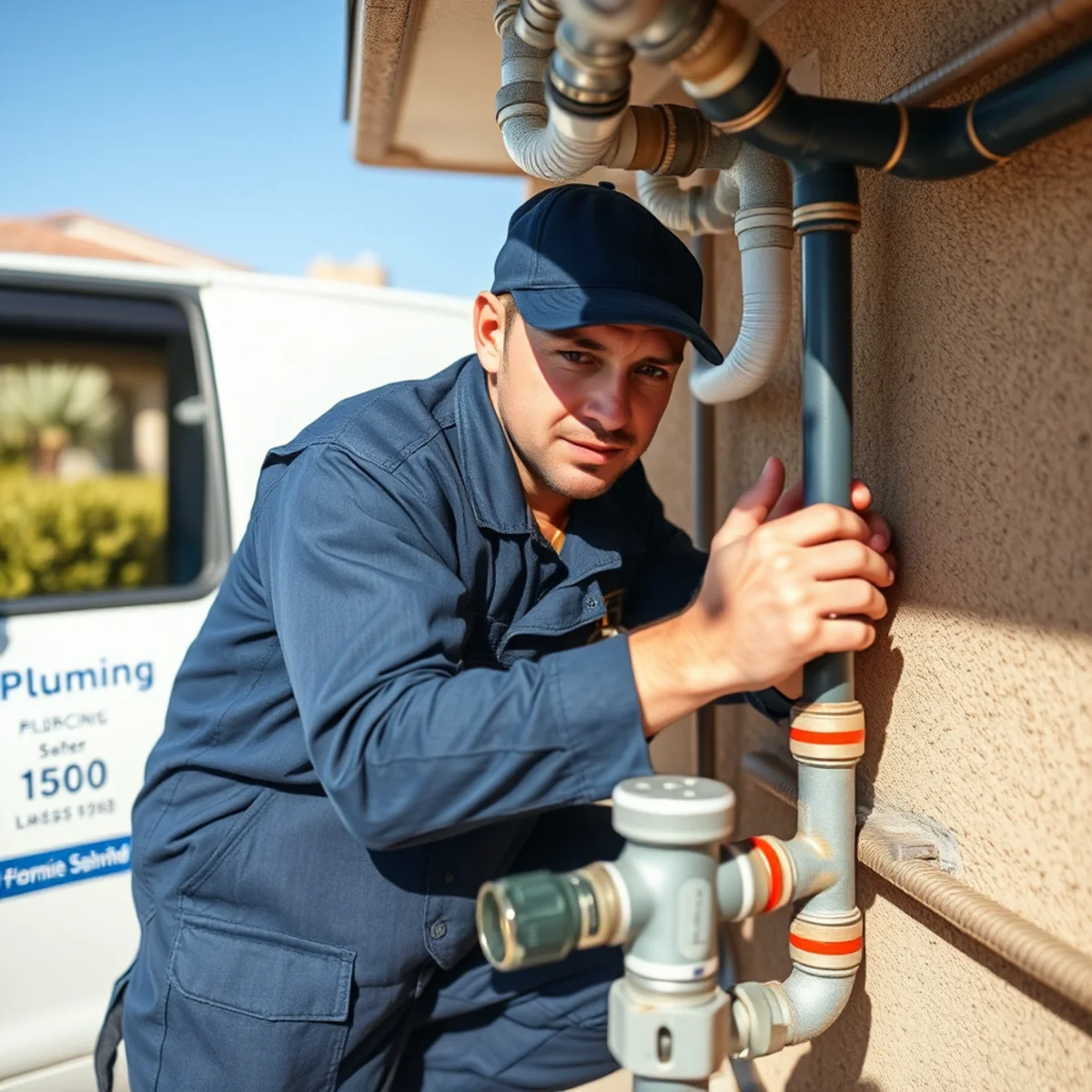
Find where the water line enters and look at the pipe around the heater and the main shutoff. Copper and PEX are what you want to see. Dull gray plastic points to polybutylene; dull gray metal with corrosion at the threads points to galvanized steel — both are repipe candidates.
A home that needs a whole-home repipe is not necessarily a home to walk away from, but it is a real number that belongs in your negotiation, not a surprise you discover a year later when a line lets go.
Water heater age and condition
Find the manufacture date on the water heater's label and do the math. In our hard water, plenty of tanks fail at 6 to 8 years, versus 10 to 12 in gentler climates, because sediment cooks at the bottom and wears the tank out early.
Look for corrosion, rust at the fittings, a drip pan, and whether there is an expansion tank. Listen for popping or rumbling — that is scale. If the heater is past eight years and struggling, budget for a replacement as part of the purchase.
Slab leaks and hidden leaks
Walk the floors. A warm spot on tile, an unexplained damp patch, staining at the base of walls, or a musty smell can all point to a hidden or slab leak — a common issue here, as we explain in our piece on why slab leaks are common in Las Vegas.
Do the meter test: shut off every fixture and watch the water meter. If it keeps creeping, water is going somewhere it should not. Anything suspicious is worth confirming with professional leak detection before you commit. This matters whether the home is in Enterprise or Silverado Ranch — both sit on the same shifting valley soil.
Pressure, valves, and fixtures
Test the water pressure. A healthy home runs around 50 to 70 psi; much higher and a failing pressure-reducing valve is letting street pressure hammer the pipes. Exercise the main shutoff to make sure it actually closes — old gate valves often will not.
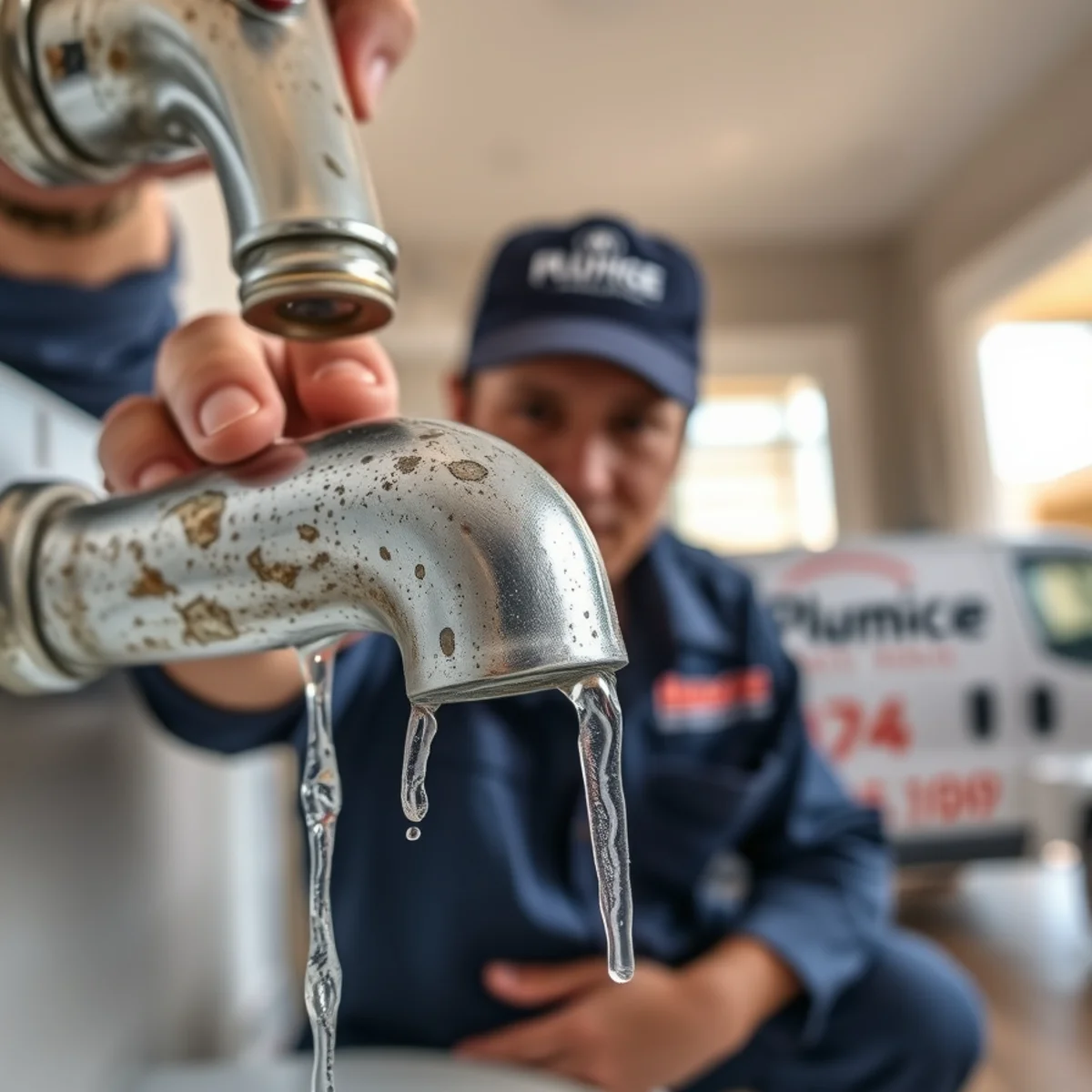
Then look at the fixtures. Heavy white scale on aerators, showerheads, and toilet parts tells you the home has been running on unsoftened hard water, which hints at what the unseen pipes and the water heater have been through as well.
Get a dedicated plumbing look
A general inspector is a generalist. They will not usually camera the sewer line or pinpoint a slab leak, and those are two of the costliest things a valley home can hide. A focused plumbing inspection fills that gap.
We will walk the whole system, scope an older sewer line if it makes sense, and give you a written, up-front price on anything that needs attention — numbers you can take straight into your negotiation before closing.
Talk to a Las Vegas plumber now
Open 24/7 for plumbing emergencies. Call for honest, up-front pricing.
Frequently asked questions
Isn't the standard home inspection enough?
It is a starting point, but general inspectors do not usually scope the sewer line or locate slab leaks. A plumbing-specific inspection catches the expensive, hidden issues a valley home is prone to.
Should I have the sewer line camera-scoped before buying?
On older homes, yes. Root intrusion and cracked lines are common, and a camera inspection is inexpensive insurance against a five-figure surprise after you move in.
What's the biggest hidden plumbing cost in a valley home?
Usually the pipe material — a polybutylene or galvanized repipe — or an aging water heater combined with years of hard-water scale. Knowing about them before closing lets you plan or negotiate.
The bottom line
A house can pass a general inspection and still hide a repipe, a tired water heater, or a slab leak. Run the checklist, get a plumber's eyes on the system, and turn the unknowns into up-front numbers before you sign. Buying in Enterprise or Silverado Ranch? Call Mike's Drain and Plumbing at (614) 830-0578.