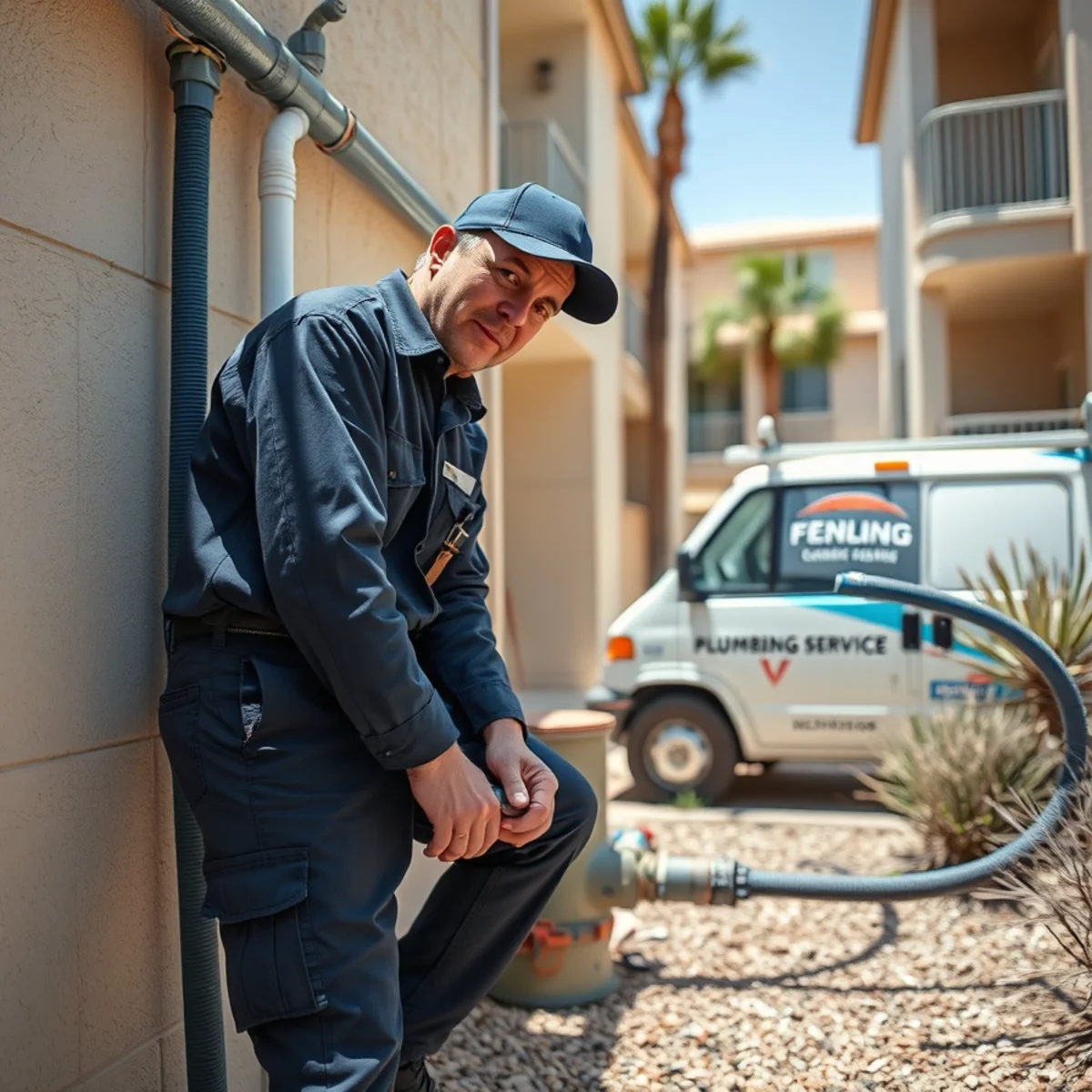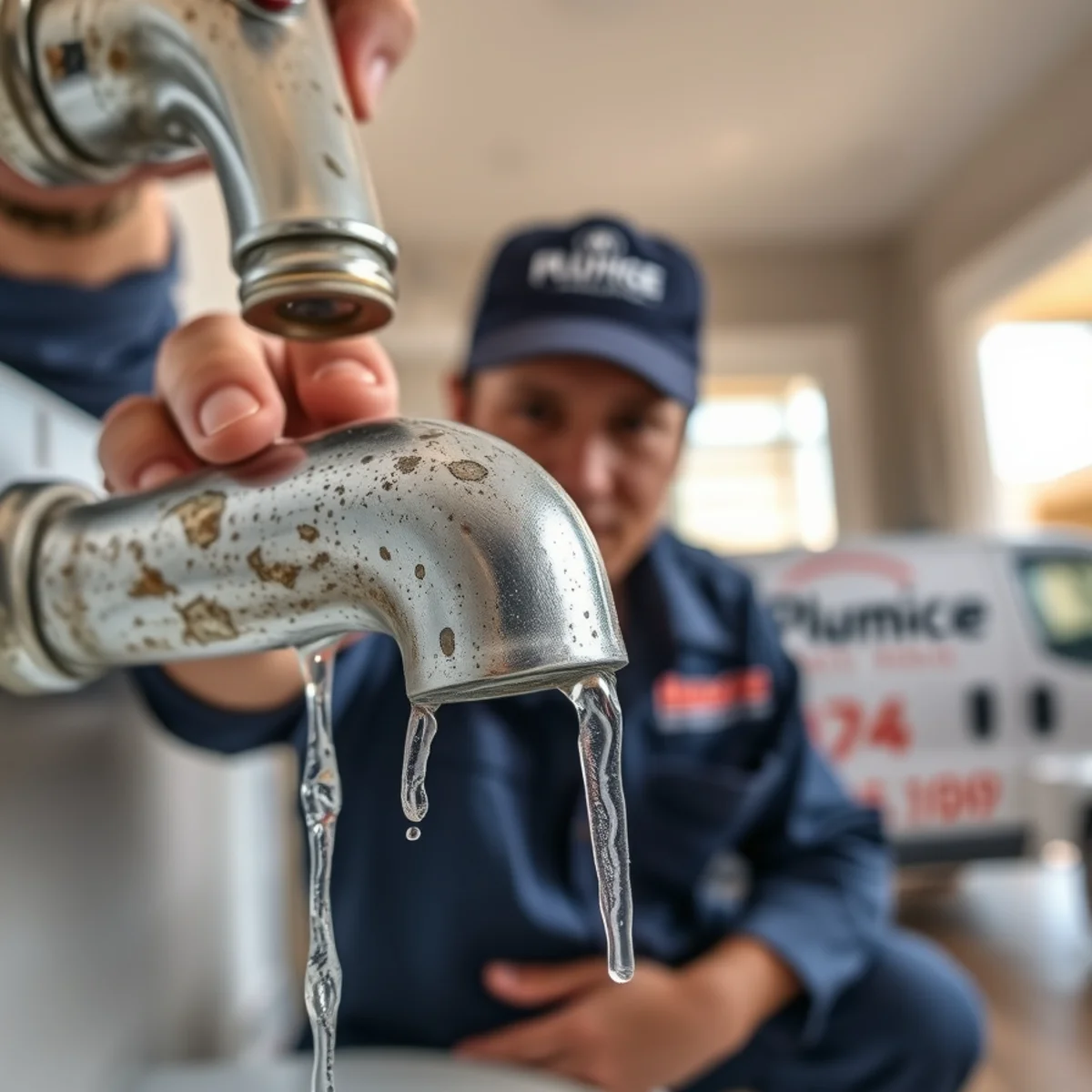
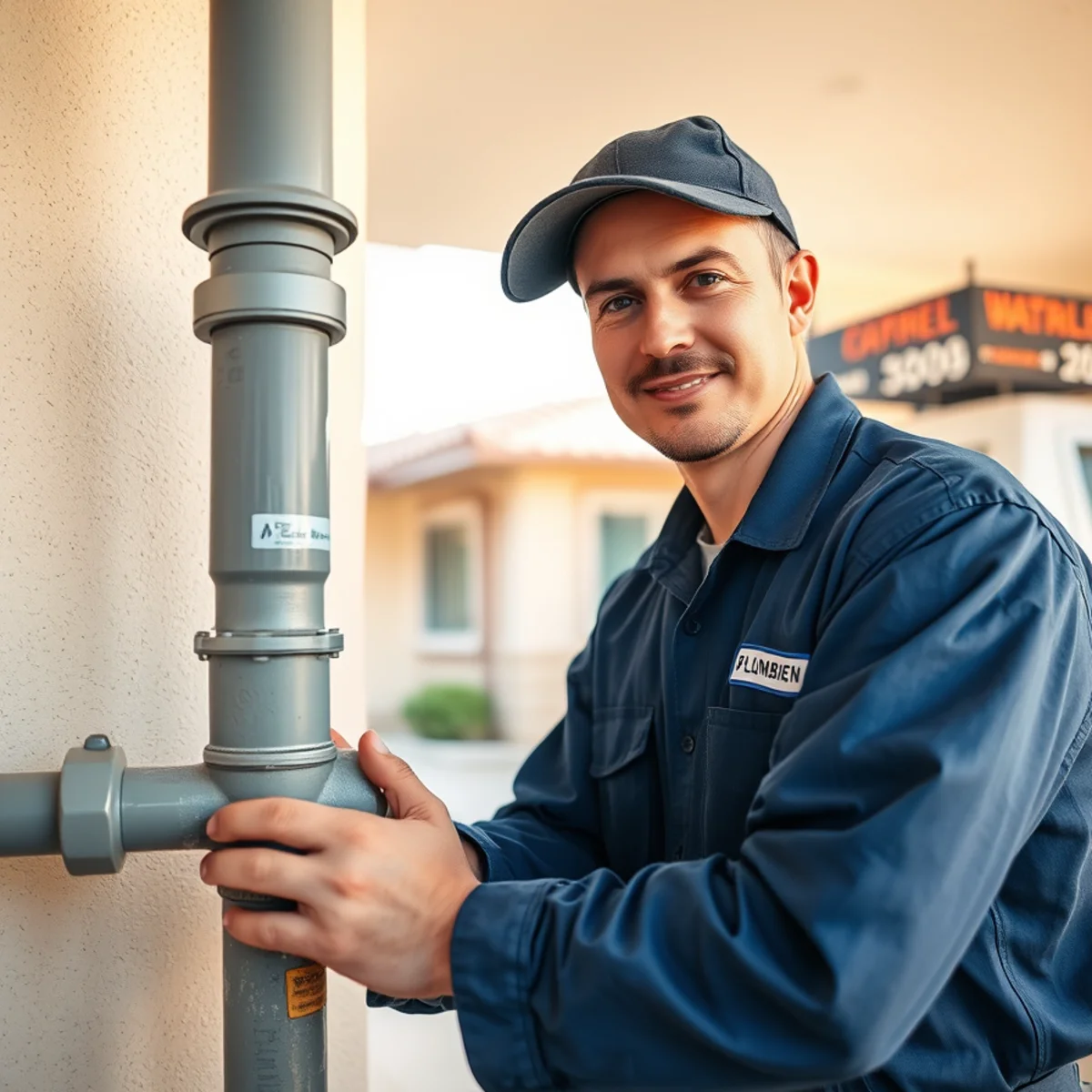
If your Las Vegas home was built between roughly 1978 and 1995, there is a real chance the water lines running through your walls are made of polybutylene — and that is a problem worth knowing about before it announces itself.
Polybutylene was cheap, fast to install, and used in millions of homes during the valley's big growth years. It is also known to fail from the inside out, often without warning, and many insurers now treat it as a liability. Here is how to tell if you have it and what to do.
What polybutylene is and why builders loved it
Polybutylene is a flexible plastic pipe, usually a dull gray (sometimes blue or black), that was manufactured for potable water lines from the late 1970s through the mid-1990s. Plumbers could run it quickly and cheaply, and during a building boom that made it very attractive.
The valley was booming in exactly those years. As tracts spread south and east across Clark County, a great deal of polybutylene went into the ground and into wall cavities. If your home dates to that window, it belongs to the era when this pipe was standard.
Why it fails
The failure mechanism is chemistry. Chlorine and other disinfectants in municipal water react with polybutylene over time, making it brittle and causing tiny fractures — especially at the fittings. The pipe degrades from the inside, where you cannot see it, until a joint or a run simply gives way.
Our water does it no favors. Valley water is treated and chlorinated like any city supply, and it is very hard on top of that. The result is a pipe that can look fine for years and then flood a room with almost no warning, which is exactly what makes it dangerous to ignore.
How to identify it in a valley home
You can often spot polybutylene yourself. Look where the water line enters the house, at the main shutoff, and around the water heater. You are looking for dull gray plastic pipe, typically half-inch to one-inch, sometimes stamped 'PB2110,' joined with plastic (acetal) or copper crimp fittings.
Older Henderson neighborhoods are prime territory. Green Valley, which filled in through the 1980s and early '90s, has plenty of homes from the polybutylene years. If you see gray plastic supply lines in a home of that age, treat it as polybutylene until proven otherwise.
Insurance and disclosure headaches
This is where it gets expensive beyond the plumbing. A number of insurers will not write or renew a homeowner's policy on a house still plumbed with polybutylene, or they will exclude water-damage claims tied to it. When you sell, you are generally expected to disclose it, and buyers' inspectors flag it fast.
In other words, polybutylene can cost you a policy or a sale, not just a repair. We walk through the coverage side in detail in our guide to polybutylene pipes and insurance.
Your fix: a repipe, usually in PEX
Spot-fixing a polybutylene leak does not solve the problem — the rest of the system is the same age and the same material, so you are just waiting for the next failure. The lasting answer is a whole-home repipe that takes the polybutylene out entirely.
We handle polybutylene repipe work throughout the valley, typically running modern PEX, which is flexible, durable, and handles our water well. If you want to understand the investment, our article on the cost to repipe a house in Las Vegas breaks it down, and a full whole-home repipe is often completed in a couple of days with a written price up front.
Talk to a Las Vegas plumber now
Open 24/7 for plumbing emergencies. Call for honest, up-front pricing.
Frequently asked questions
Is polybutylene banned?
It is no longer approved for potable water plumbing under modern codes and has not been manufactured for that use since the mid-1990s. A plumber cannot install it new today, and the class-action settlements over it wrapped up years ago.
Can I just repair the polybutylene instead of replacing it?
You can patch a single leak, but every other foot of pipe is the same age and material. Most owners who patch one leak are back for another. A repipe is the fix that actually ends the risk.
How long does a whole-home repipe take?
For a typical valley home, a repipe usually takes a couple of days. We can often keep water on for most of that time and give you a written, up-front price before we start.
The bottom line
Gray polybutylene from the 1978-to-1995 era is a slow-motion problem — fine until it floods, and a headache for insurance in the meantime. If your home is from those years, find out what you have before it decides for you. For an honest look and an up-front repipe price, call Mike's Drain and Plumbing at (614) 830-0578.
Related pages