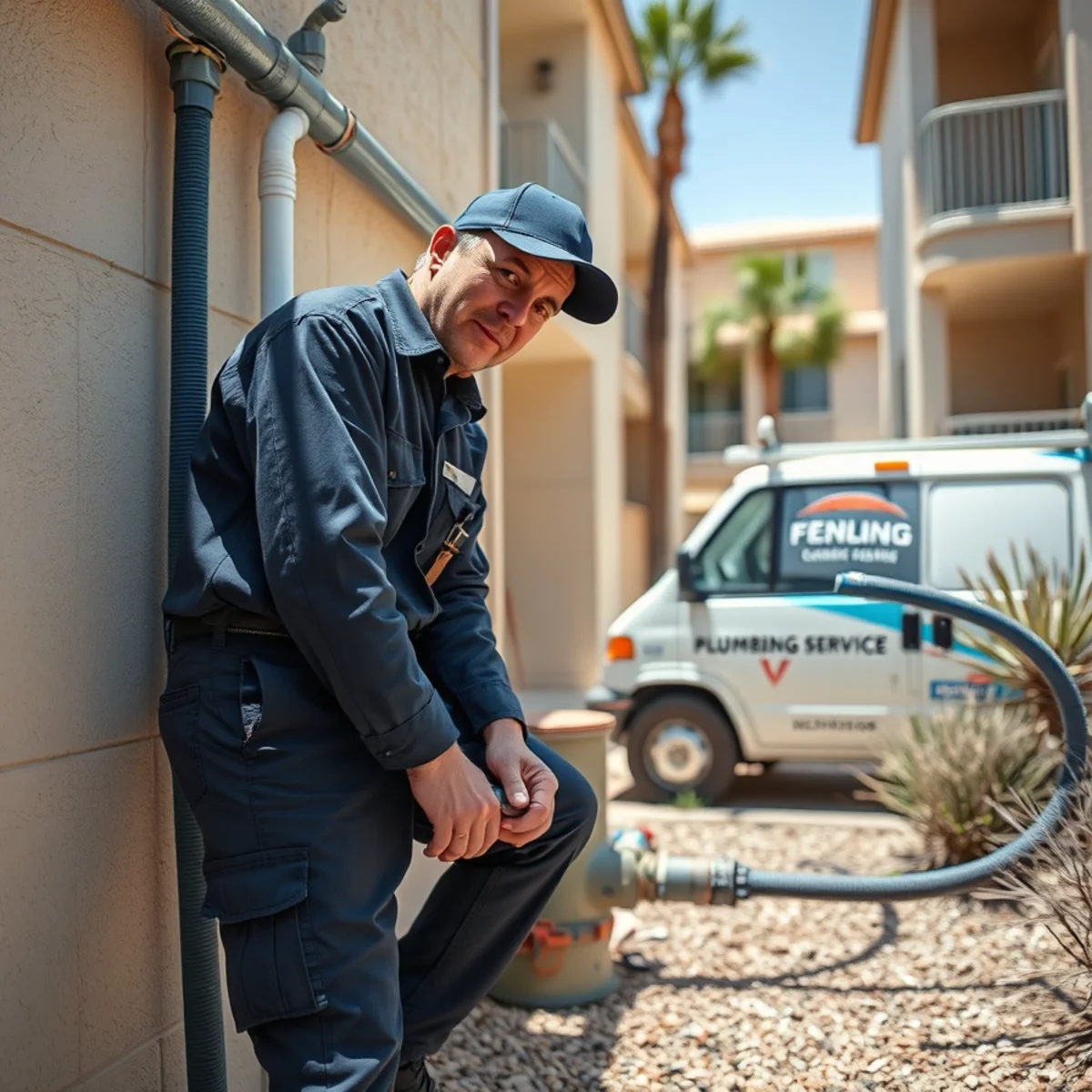
Slab leaks are one of the most common serious plumbing problems we find in Las Vegas homes — and one of the easiest to miss until the damage is done.
A slab leak is a water line leaking under the concrete foundation your house sits on. It hides, it runs 24 hours a day, and left alone it can waste thousands of gallons and undermine the slab itself. Two conditions specific to the valley make our homes especially prone to them. Here is why.
What a slab leak actually is
Most valley homes are built slab-on-grade — poured on a concrete pad rather than over a basement or crawlspace. That keeps costs down and suits our ground, but it also means water supply lines often run through or beneath that slab.
When one of those lines — usually copper — springs a leak under the concrete, you have a slab leak. Because it is sealed under the foundation, the water has nowhere obvious to go, so it works sideways into flooring, wicks up walls, or simply runs out through the soil while your meter spins.
Reason one: expansive desert soil
The ground under the valley is not stable. Our soils include caliche and expansive clays that swell when they get moisture and shrink when they dry out. Over seasons and years, that movement lifts and drops slabs by small amounts — and the rigid copper lines cast into or under them go along for the ride.
Metal does not enjoy being flexed. Repeated soil movement stresses pipe runs and, especially, the joints and fittings, until one cracks or pulls apart. This is the mechanical half of the valley's slab-leak problem, and it is baked into where we live.
Reason two: hard water pitting the copper
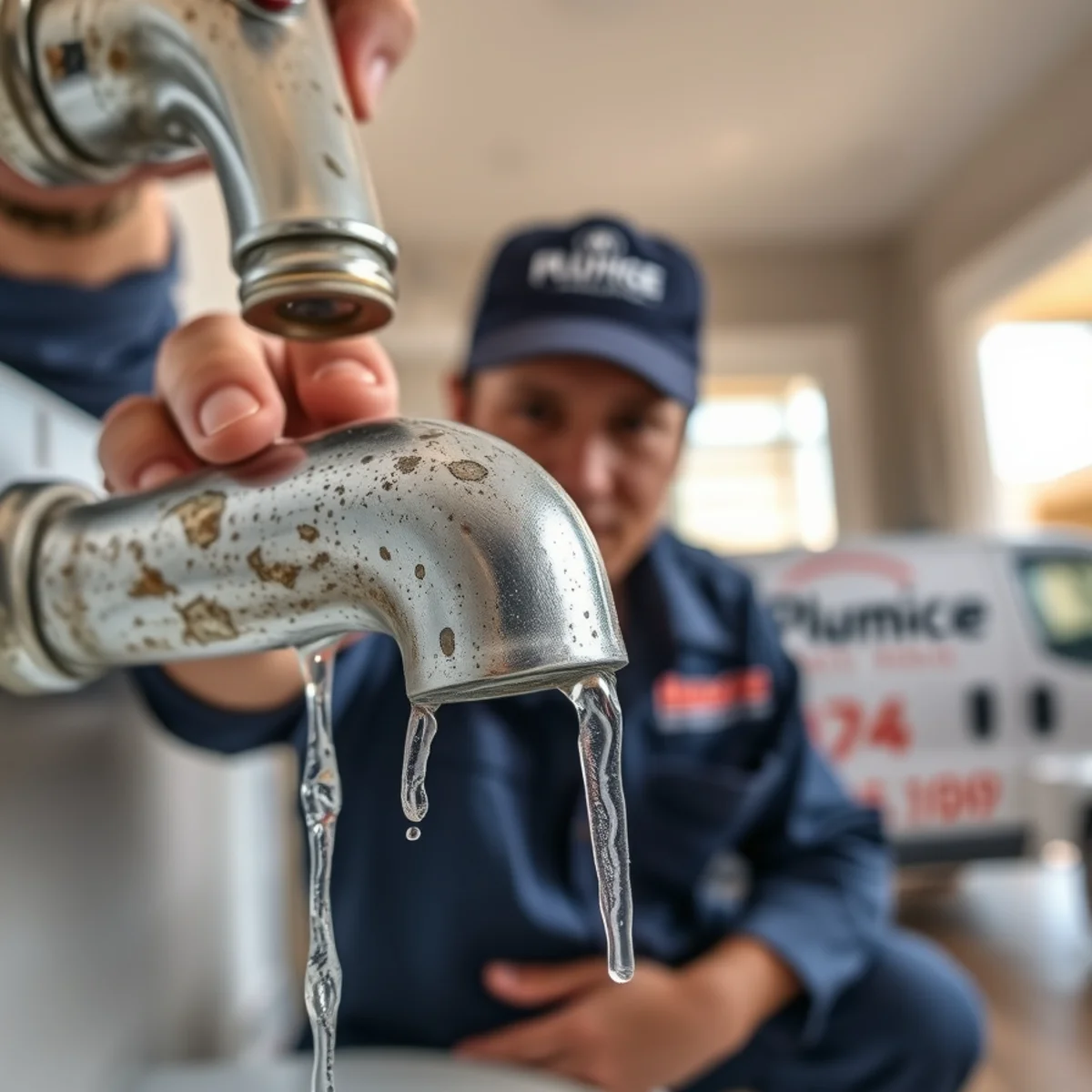
The chemical half is our water. At around 16 grains per gallon, valley water is very hard, and that mineral content pits copper from the inside over time. Pinholes form, walls thin, and weak spots develop right where soil movement is already applying stress.
Put the two together — moving soil outside the pipe, aggressive water inside it — and you have a recipe for leaks under the slab. If you want the full picture on the water side, see our explainer on how hard Las Vegas water is. The early symptoms are subtle, which is why we also wrote up the slab leak warning signs worth watching for.
Where we see them
Any slab-on-grade home in the valley can develop one, but the older the copper, the higher the odds. Established tracts from the 1970s through the '90s are prime territory. Spring Valley, with its large stock of homes from those decades, is a neighborhood where we run into slab leaks regularly.
That does not mean newer homes are immune — soil movement does not check the build date — but decades of hard water moving through aging copper is what tips a home from 'possible' to 'likely.'
How we find and fix them
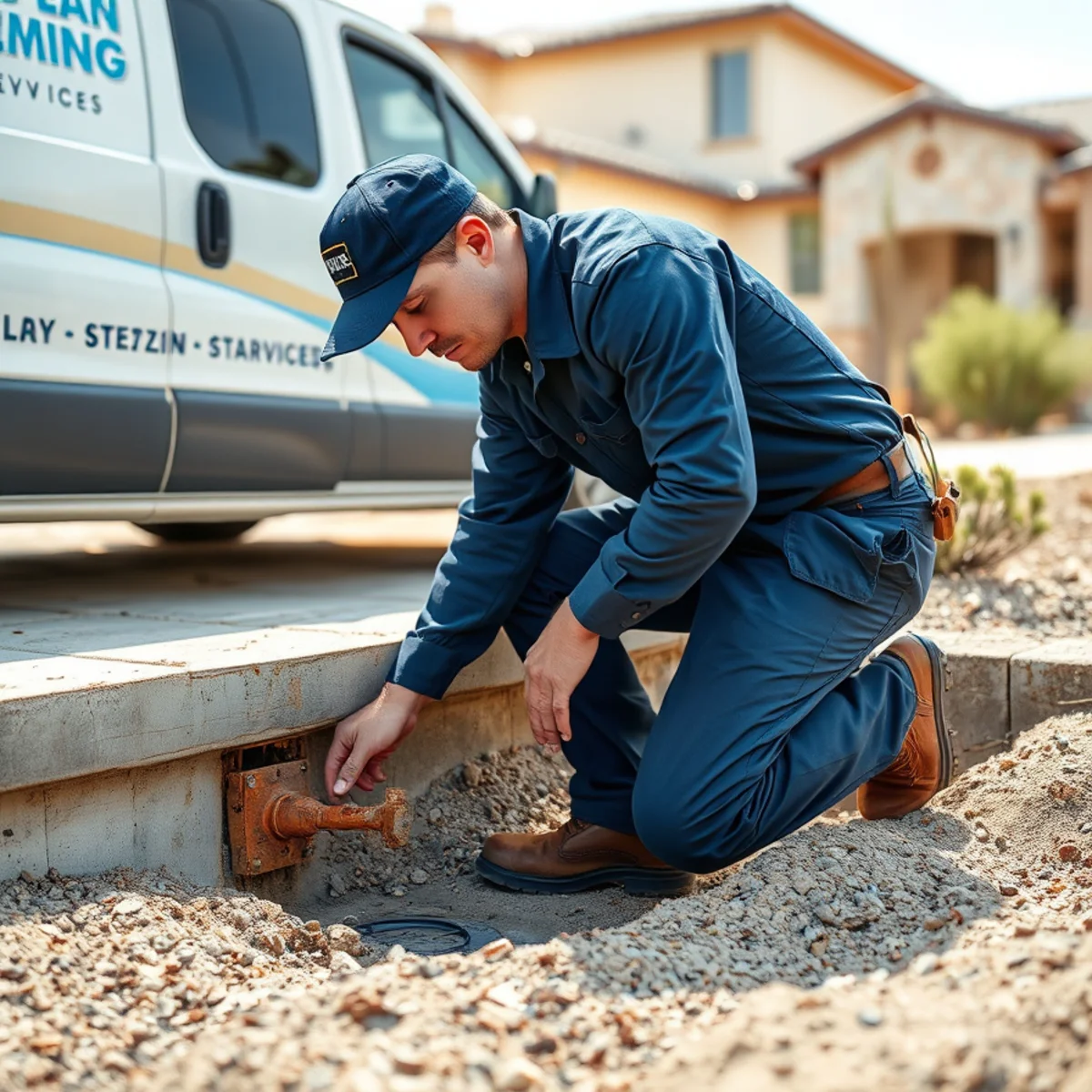
The worst thing you can do is start jackhammering the floor on a guess. We locate a slab leak first with non-invasive leak detection — acoustic and pressure equipment that pinpoints the spot before anything gets opened.
From there, slab leak repair usually comes down to three options: a spot repair where a single, accessible leak in otherwise good pipe can be fixed; a re-route that abandons the bad line under the slab and runs a fresh line through walls or the attic; or, when the whole system is failing, a full repipe. Re-routes commonly run from about $800 to $2,500 and up depending on the length, and you get a written, up-front price either way. Coverage varies, so it is also worth reading whether insurance covers slab leaks before you file.
Talk to a Las Vegas plumber now
Open 24/7 for plumbing emergencies. Call for honest, up-front pricing.
Frequently asked questions
How do I know if I have a slab leak?
Common signs are a warm spot on the floor, an unexplained jump in your water bill, the sound of running water with everything shut off, and dropping pressure. If your water meter keeps moving after you turn everything off, that is a strong confirmation.
Is it better to re-route or repair a slab leak in place?
It depends on the pipe. A single leak in otherwise sound copper can be spot-repaired. If the line is old and has leaked before, a re-route or repipe usually makes more sense than opening the slab again for the next one.
Will insurance pay for a slab leak?
Many policies help with the resulting damage and the cost to access the leak, but not the pipe repair itself — and it varies by policy. Document everything and check your coverage before assuming.
The bottom line
Shifting soil on the outside and hard water on the inside make slab leaks a valley fact of life, not bad luck. Catch one early and it is a targeted repair; ignore it and it becomes a foundation problem. If you suspect a slab leak, do not guess with a jackhammer — call Mike's Drain and Plumbing at (614) 830-0578.
Related pages