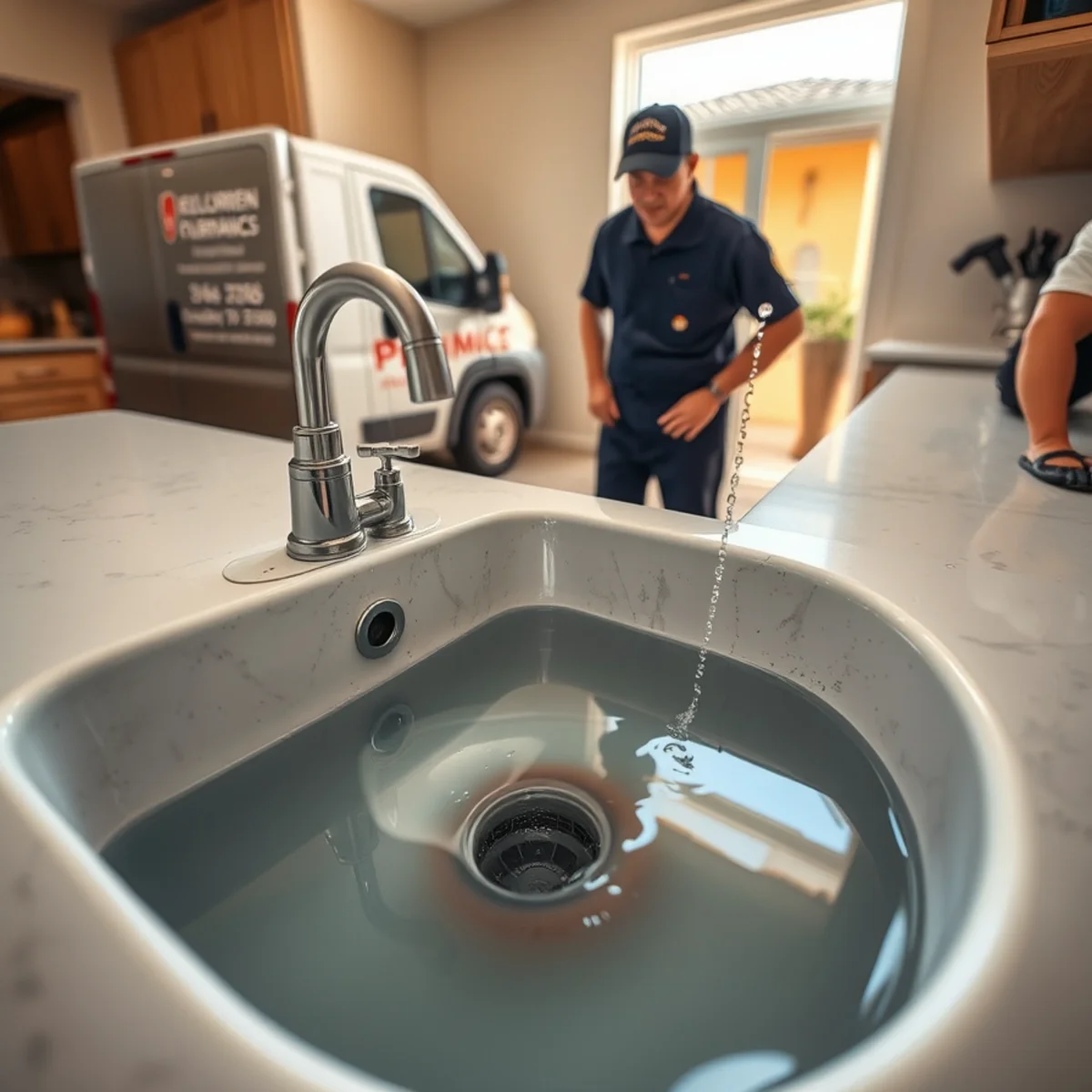
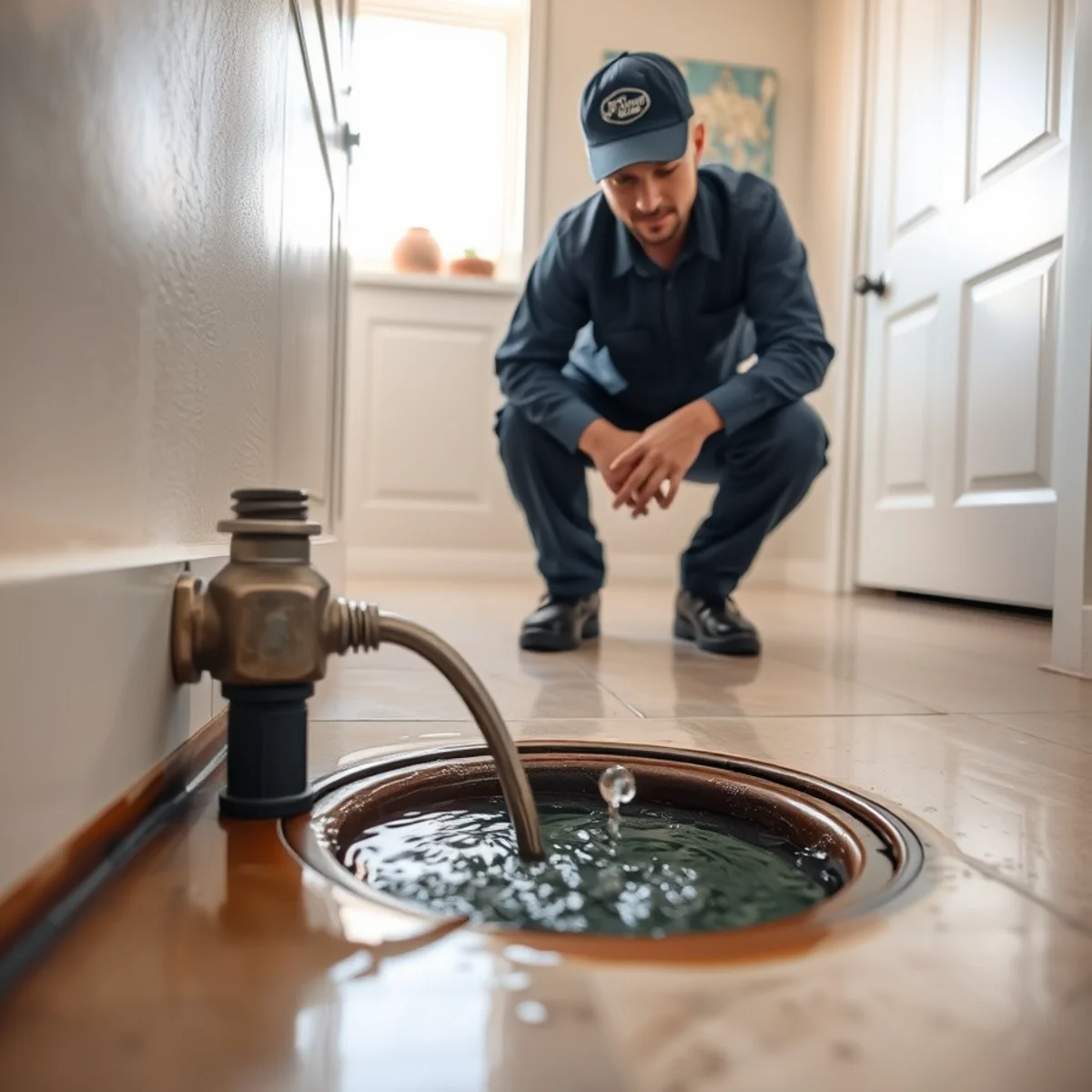
When wastewater comes up through a tub, a shower, or a floor drain, the problem isn't the fixture in front of you — it's the main line that carries everything out of the house. Something downstream is blocking or breaking that line, and until you know what, you're just guessing.
After years of running cameras down valley sewer lines, we see the same short list of causes again and again. Here are the seven, roughly in the order we find them, plus how to tell which one is behind your backup.
1. Tree roots in the line
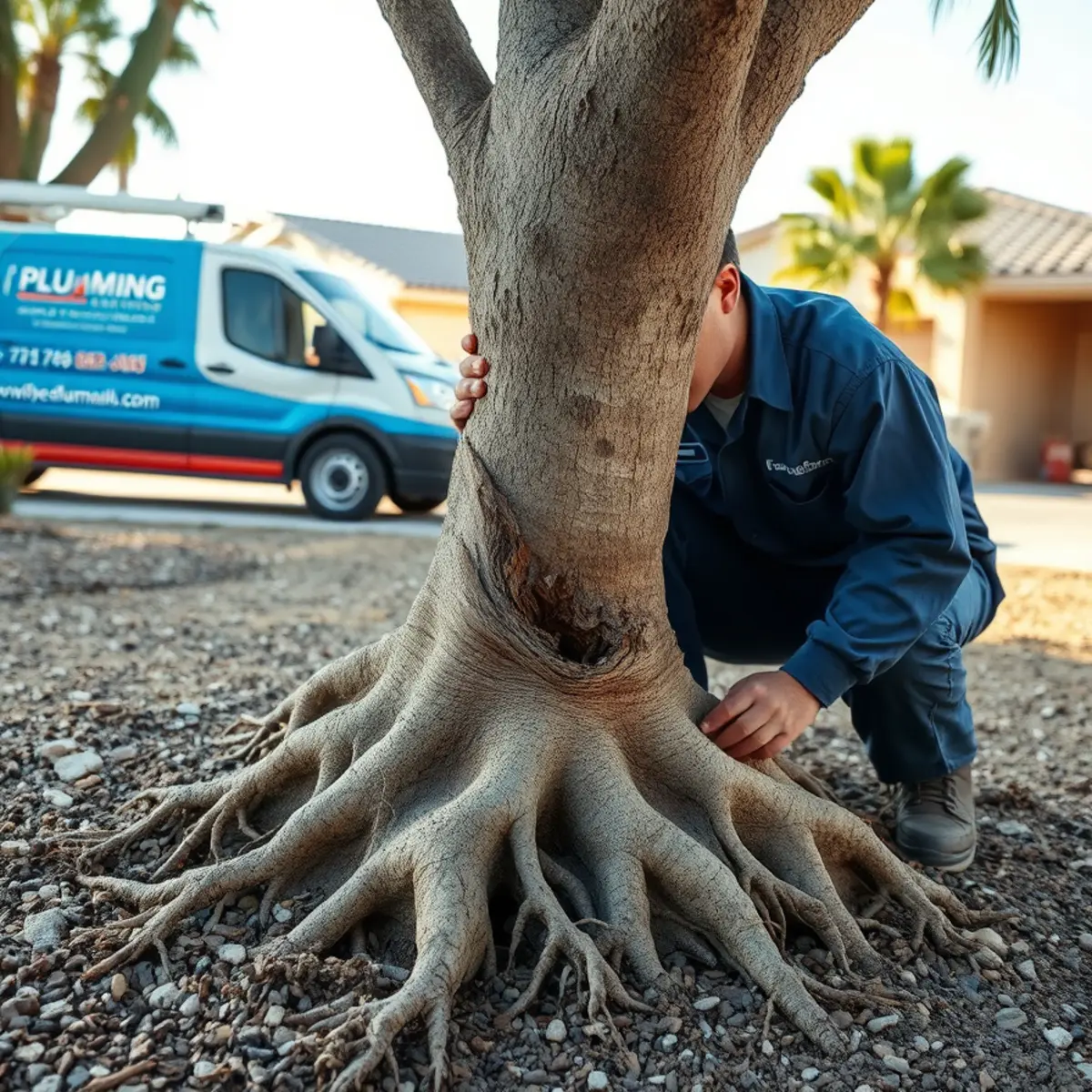
This is the number-one cause in the valley's older neighborhoods. Mature trees send roots toward the only reliable water source in the desert — your sewer lateral — and they slip into the joints of aging clay and cast-iron pipe. Once inside, they grow into a mesh that snags everything that passes and backs the line up every few months.
Homes with 1960s–90s clay or cast-iron laterals (Green Valley, Spring Valley, Winchester, downtown) are the usual victims. A one-time clearing buys a few weeks; the real fix is cutting the roots out, then repairing the cracked section that let them in. Our guide to the signs of root intrusion covers the early warnings.
2. Grease, fat, and food waste
Grease goes down the kitchen drain as a hot liquid and hardens into a wax-like layer on the pipe wall as it cools. Layer by layer it narrows the line until a single bad night — a holiday dinner, a party — tips it into a full backup.
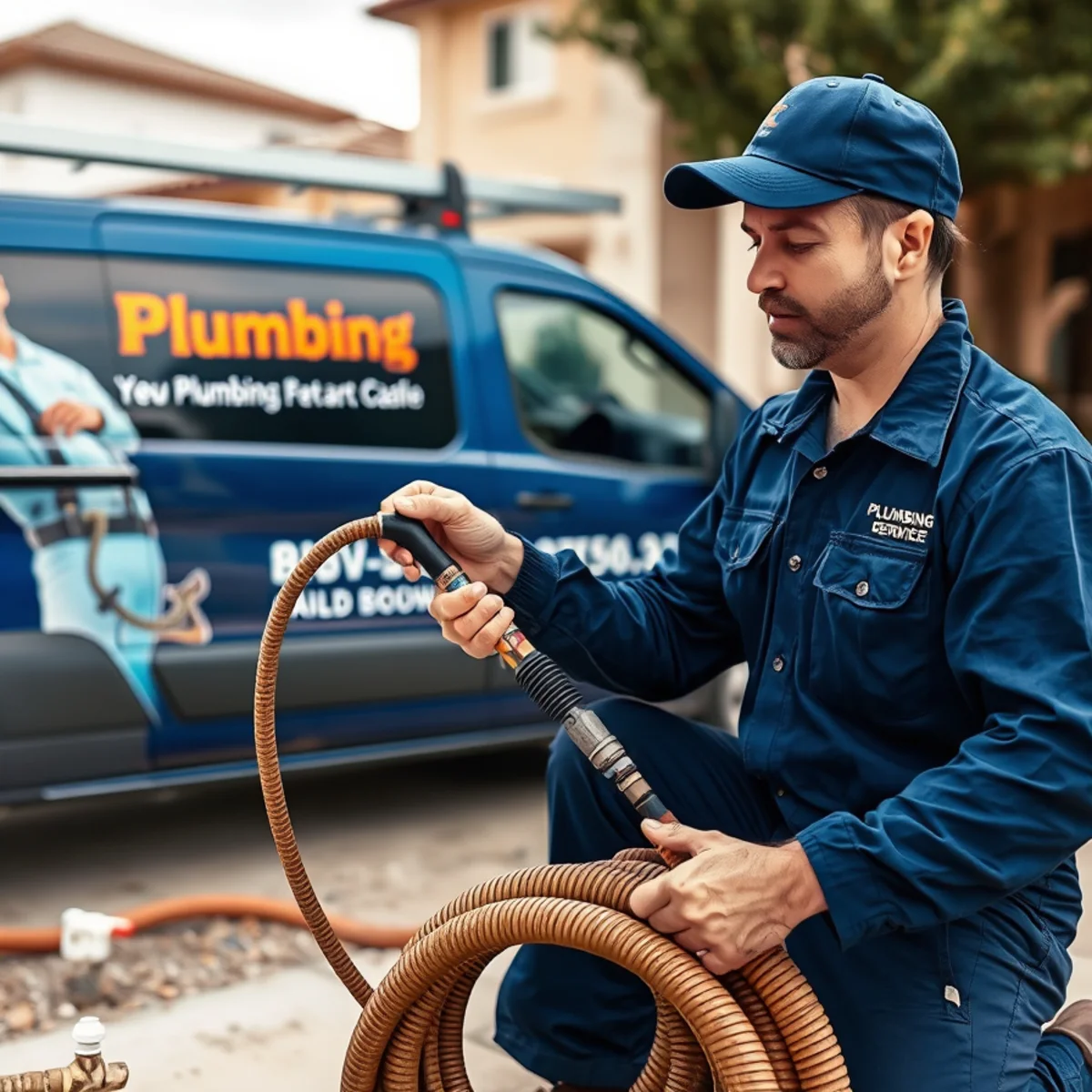
Snaking punches a hole through grease but leaves most of it caked on the walls, so it clogs right back. Hydro jetting scours the pipe clean to the full diameter, which is why it's the real fix for a grease-driven backup.
3. “Flushable” wipes and things that shouldn't be flushed
They're labeled flushable, but wipes don't break down the way toilet paper does. They catch on any rough spot — a root, a scale ridge, an offset joint — and build into a dam. Paper towels, feminine products, dental floss, and “cotton” rounds do the same.
If your backups started after a houseguest, a new habit, or a kids' bathroom, this is a likely culprit. The fix is simple: only toilet paper goes down, and everything else goes in the trash.
4. Hard-water scale narrowing the pipe
Las Vegas water runs around 16 grains per gallon — some of the hardest in the country — and that mineral load doesn't only wreck water heaters. In older cast-iron drain and sewer pipe, scale builds on the walls and corrodes the metal, shrinking the usable diameter and giving grease and debris more to grab onto.
You can't soften what's already in the ground, but knowing a line is scaled tells us whether jetting will hold or whether the pipe itself is near the end of its life.
5. A collapsed, cracked, or bellied pipe
Old pipe eventually fails structurally. Clay cracks, cast iron rusts through, and shifting desert soil pulls joints apart or sags a section into a low spot (a “belly”) where waste pools and settles. A line like this backs up no matter how often it's snaked, because the problem isn't a clog — it's the pipe.
This is common in the valley's oldest housing — 1940s–50s downtown and Boulder City, mid-century Winchester and east-side homes. A camera inspection shows it immediately, and the honest fix is a spot repair or a sewer line replacement, including trenchless options where the layout allows.
6. Monsoon stormwater getting in
During the summer monsoon, a line with cracked joints or root openings takes on groundwater fast. That surge can overwhelm the pipe and push wastewater back up through your lowest drains — even if the line handles normal flow fine the rest of the year.
If your drains only gurgle or back up during heavy rain, that's the tell. Our monsoon sewer-backup prevention guide walks through getting ahead of it before the storms.
7. A blockage in the city main (not your line)
Sometimes the backup isn't your fault at all. If the city or county main downstream is blocked, waste can push back up into the lowest homes on the line — often showing first in a ground-floor tub or a floor drain. The clue is more than one fixture backing up at once with no clog in your own line.
Knowing whether the blockage is on your side or the public side decides who pays — we cover exactly where that line is drawn in sewer backup: homeowner or city responsibility.
How we pinpoint the cause — and stop the next one
Guessing is expensive. We clear the line enough to get a camera down it, find the actual cause, and show you the footage so you can see it yourself before deciding anything.
- Camera inspection locates roots, grease, scale, a belly, or a break — and how far down the line it sits.
- Hydro jetting for grease, scale, and root debris; spot repair or lining for a cracked joint.
- A backwater valve is worth considering if monsoon surges or a shared city main are the issue.
- Only flush toilet paper, keep grease out of the kitchen drain, and camera an older line before it fails.
Talk to a Las Vegas plumber now
Open 24/7 for plumbing emergencies. Call for honest, up-front pricing.
Frequently asked questions
What is the most common cause of sewer backups?
In the Las Vegas valley's established neighborhoods, tree roots invading older clay and cast-iron laterals are the most common cause, followed by grease buildup and non-flushable wipes. A camera inspection confirms which one you're dealing with before any repair.
Can tree roots really break a sewer line?
Yes. Roots enter through tiny gaps at pipe joints, then thicken and widen the crack over time until the joint fails. Clearing the roots is only half the job — the cracked section usually needs a spot repair so they can't grow back in.
How do I know if the backup is my line or the city's?
If several fixtures back up at once with no clog you can find, the blockage may be in the public main downstream. If it's one area of the house, it's usually your lateral. We camera the line to the connection point to tell for certain — see who's responsible for a sewer backup.
The bottom line
Roots, grease, wipes, scale, a failed pipe, monsoon water, or the city main — a sewer backup always has a specific cause, and the right fix depends on which one it is. We find it with a camera, fix it honestly, and help you prevent the next one. 24/7: (614) 830-0578.