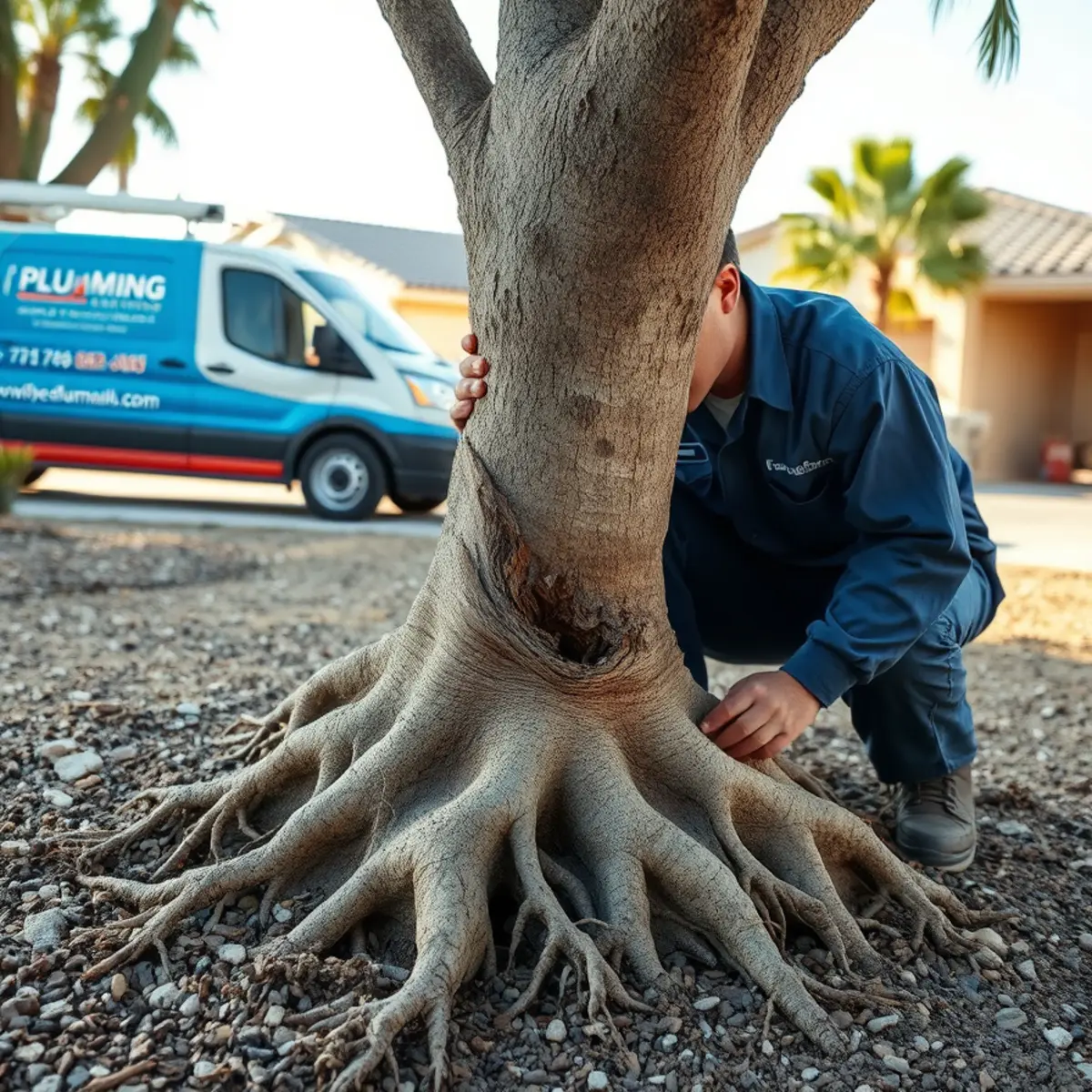
Here is the desert irony: the driest place around your house is the yard, and the wettest is the sewer line running under it. Tree and shrub roots are built to find water, and a sewer line carrying warm, nutrient-rich wastewater is the best target in the neighborhood.
Roots do not need a big opening. A hairline gap at a pipe joint or a small crack is enough. Once a few root hairs get inside, they thrive on what is flowing past and grow into a dense mat that snags everything and eventually cracks the pipe wide open.
Catch it early and it is a cleaning. Ignore it and it becomes a dig-and-replace. Here are the signs, in the order homeowners usually notice them.
1. Slow drains all over the house
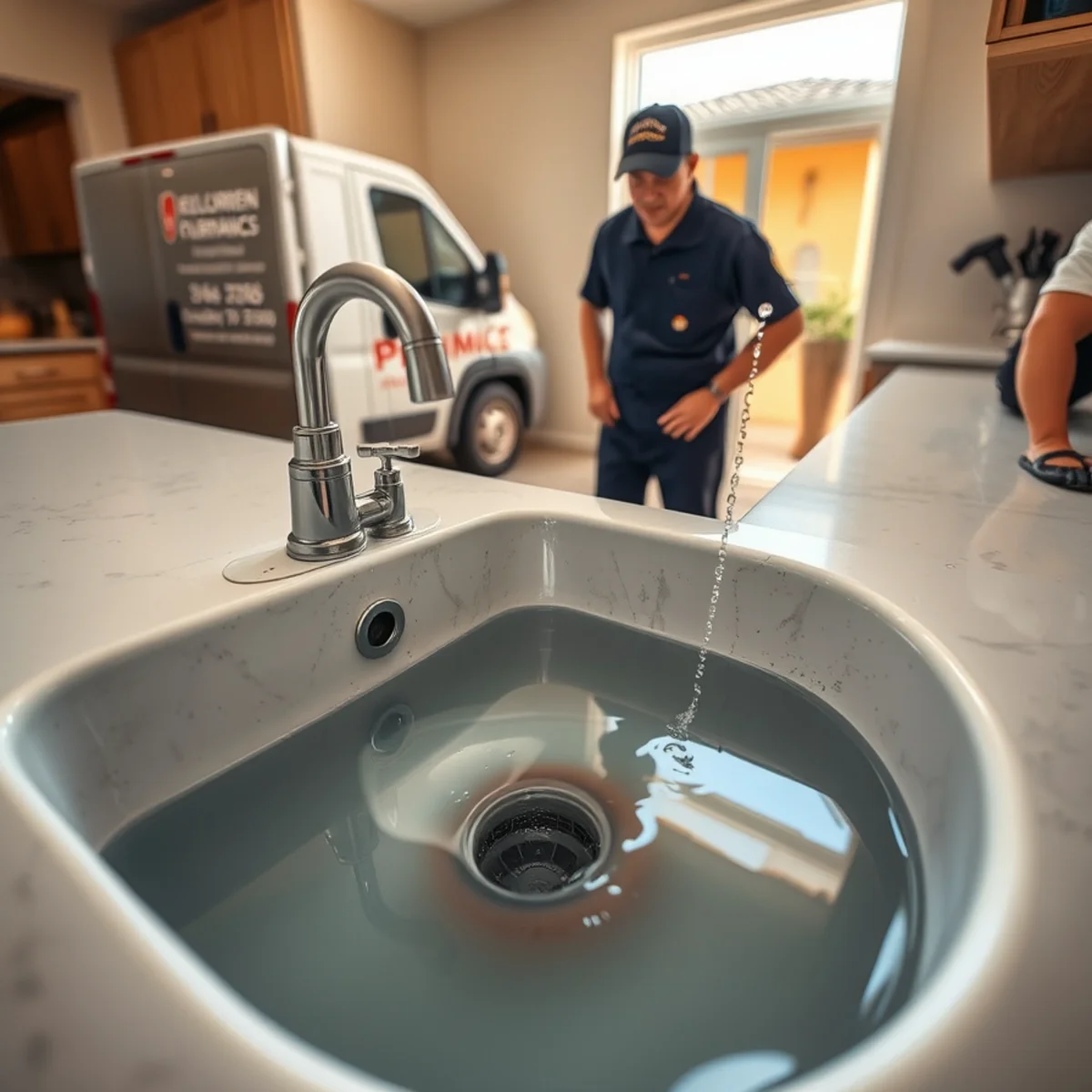
A single slow fixture is a local clog. When several drains slow down together — and the lowest ones, like a downstairs toilet or shower, act up first — the restriction is in the main sewer line all of them share.
Roots create exactly this pattern. The mat narrows the main gradually, so drainage gets sluggish everywhere before anything fully stops.
2. Gurgling toilets and drains
A toilet that bubbles or a drain that glugs when another fixture empties is air being forced past a partial blockage. Roots are a classic cause. You will often hear the toilet gurgle when the washing machine drains or a tub empties.
It is easy to dismiss as quirky plumbing. It is actually an early warning worth acting on.
3. Sewer smell in the yard or the house
Roots crack the pipe as they grow, and those cracks let sewer gas escape. A persistent rotten-egg or sewage odor near a floor drain, in a bathroom, or over a patch of the yard points to a compromised line.
Sometimes that same spot of yard is oddly green or soggy — the roots are feeding on wastewater leaking from the break.
4. Backups that keep coming back
The loudest sign is a main-line backup: wastewater rising in a tub or floor drain when you run water elsewhere. If clearing it buys only a few weeks before it returns, roots are the leading suspect. Cable a root mass and you cut a channel; the roots keep growing and close it again.
Mature landscaping makes this common in older Henderson neighborhoods. Established communities like Green Valley, built out in the 1980s and 1990s, have decades-old trees sitting right over aging sewer laterals. If you are mid-backup, our first-five-steps sewer backup guide covers what to do right now.
- Repeat backups weeks apart: suspect roots, not a one-time clog
- Multiple fixtures involved: the main line, not a fixture trap
- Older trees near the sewer path: high risk in mature areas
5. Confirming it with a camera
You do not guess with a sewer line, and you do not dig to look. A camera run down the main shows exactly what is there — a few root hairs at one joint, a full mat, or a section already cracked and collapsing.
That inspection also tells us whether the pipe is worth clearing and keeping or whether the damage has gone too far. It is the difference between a maintenance plan and a replacement.
6. Clearing roots and keeping them out
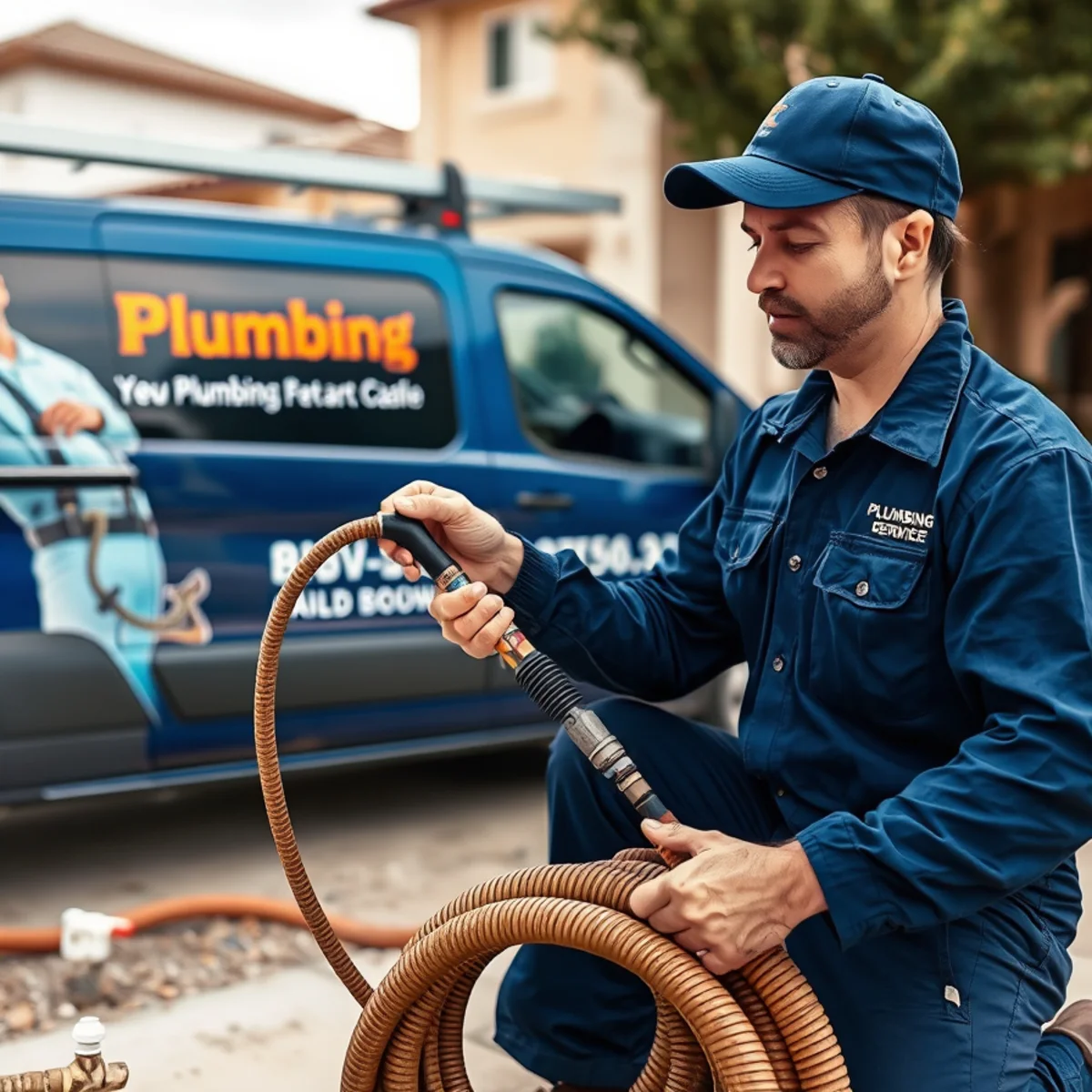
For roots, cutting is only half the job. We clear the mass, then use hydro jetting to scour the fine hairs and debris out of the pipe wall so it drains at full diameter again. On a badly invaded or broken line, sewer line repair or replacement — often trenchless — is the real fix, because roots will keep returning to a cracked pipe no matter how often you clean it.
Where the pipe is still sound, a jetting schedule keeps roots in check. Where it is not, replacing the damaged section ends the cycle for good.
Talk to a Las Vegas plumber now
Open 24/7 for plumbing emergencies. Call for honest, up-front pricing.
Frequently asked questions
Can I kill the roots with a chemical from the store?
Foaming root killers can slow regrowth for a while, but they do not remove an established mat and they do not repair the cracks that let roots in. They are a stopgap, not a fix. Mechanical clearing plus repairing the pipe is what actually solves it.
Do I have to remove the tree?
Not usually. The problem is the cracked pipe, not the tree itself. Repairing or replacing the damaged section — and keeping the line jetted — lets you keep the tree in most cases.
How urgent is root intrusion?
More urgent than it feels. Roots widen cracks over time and can collapse a line, turning a cleaning into a full excavation. Catching it at the slow-drain stage saves the most money.
The bottom line
Slow drains everywhere, gurgling toilets, a sewer smell, and backups that keep returning are roots talking. Get a camera in the line, clear it properly, and repair the pipe if it is cracked — that ends the cycle. Suspect roots in your sewer? Call (614) 830-0578.