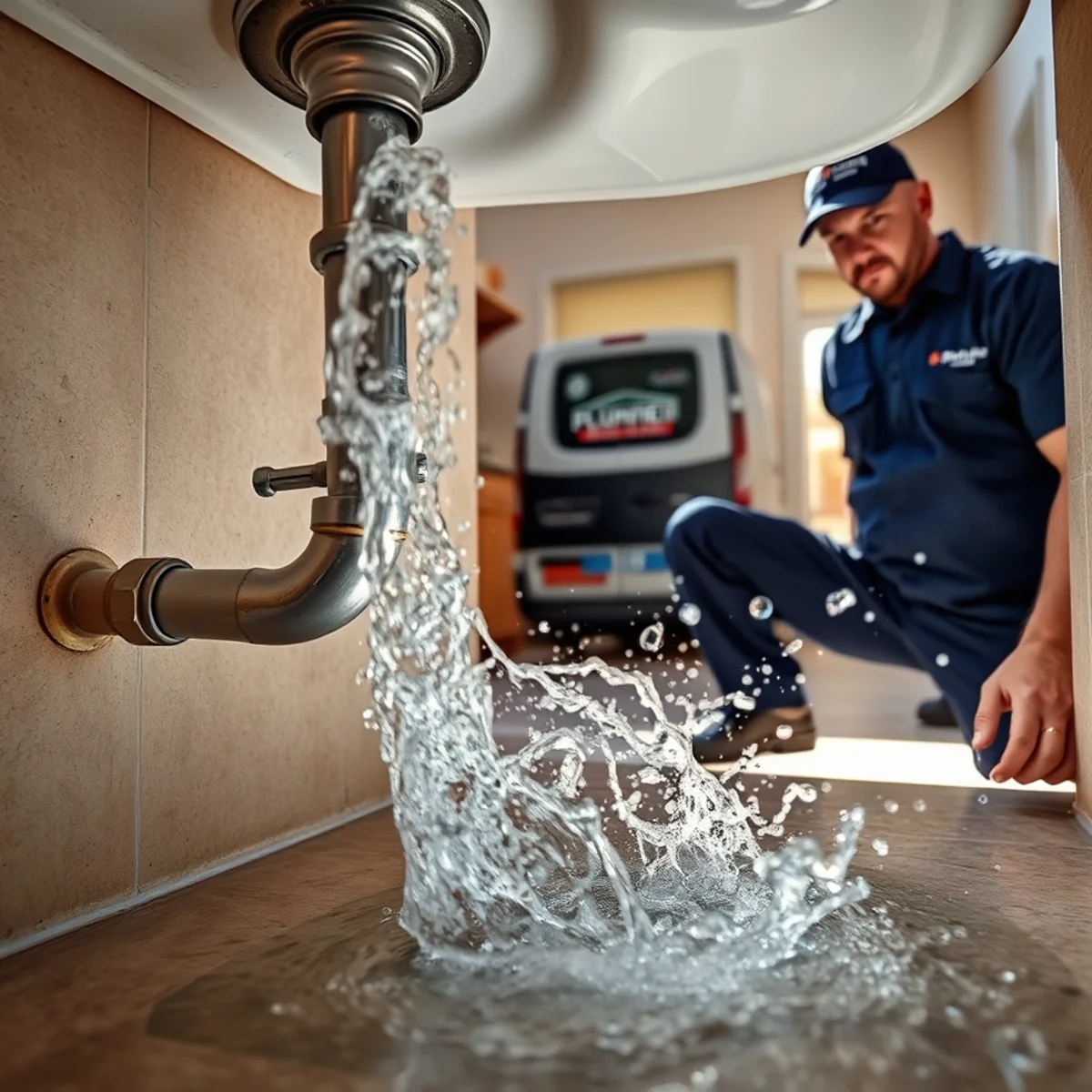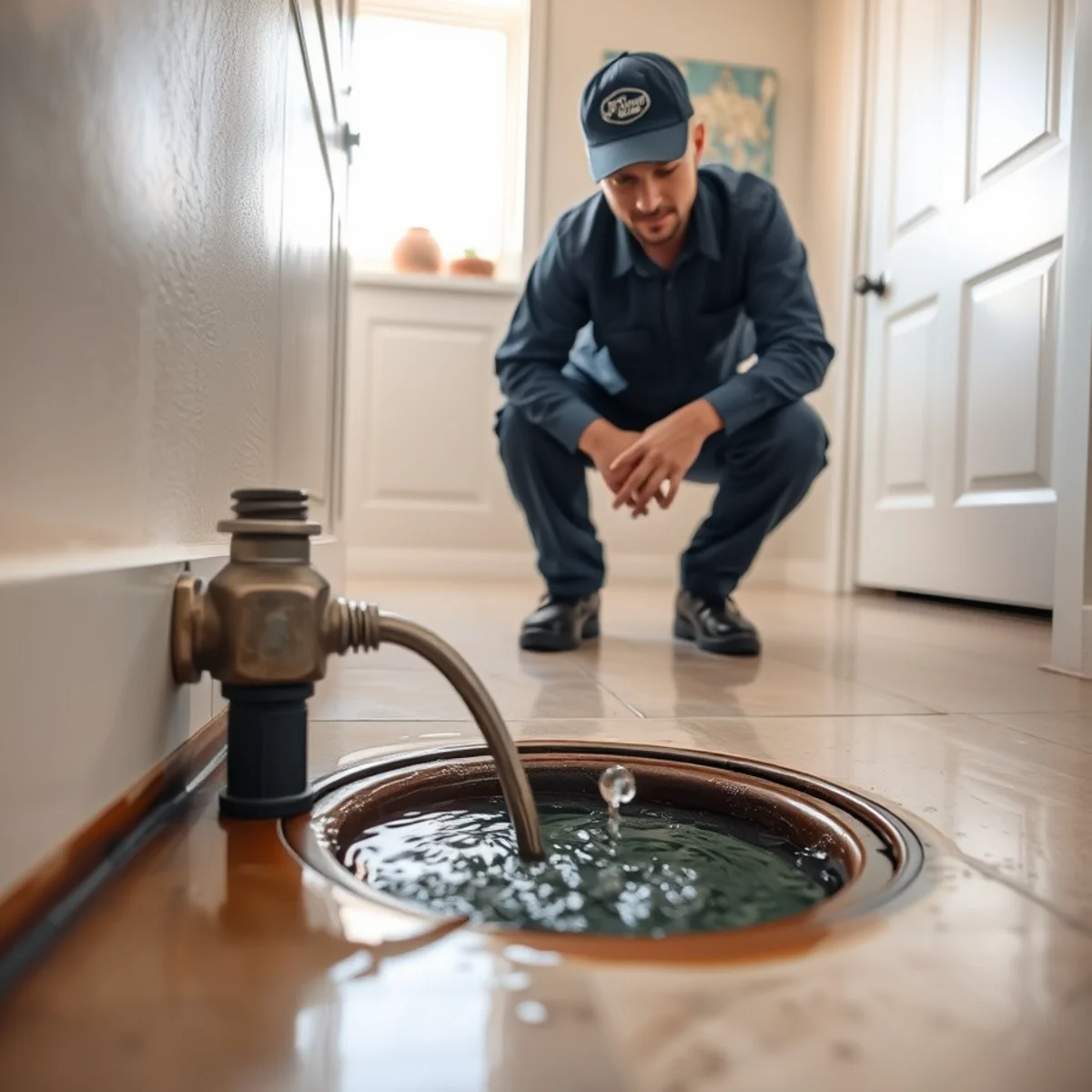
A slab leak is a water line leaking under the concrete foundation your house sits on. In Las Vegas they're common — shifting desert soil stresses the copper, and our hard water pits it from the inside. Left alone, a slab leak wastes thousands of gallons and can undermine the slab itself.
The tricky part is that it hides. Here are the six signs homeowners actually notice, so you can catch it early.
1. A warm spot on the floor
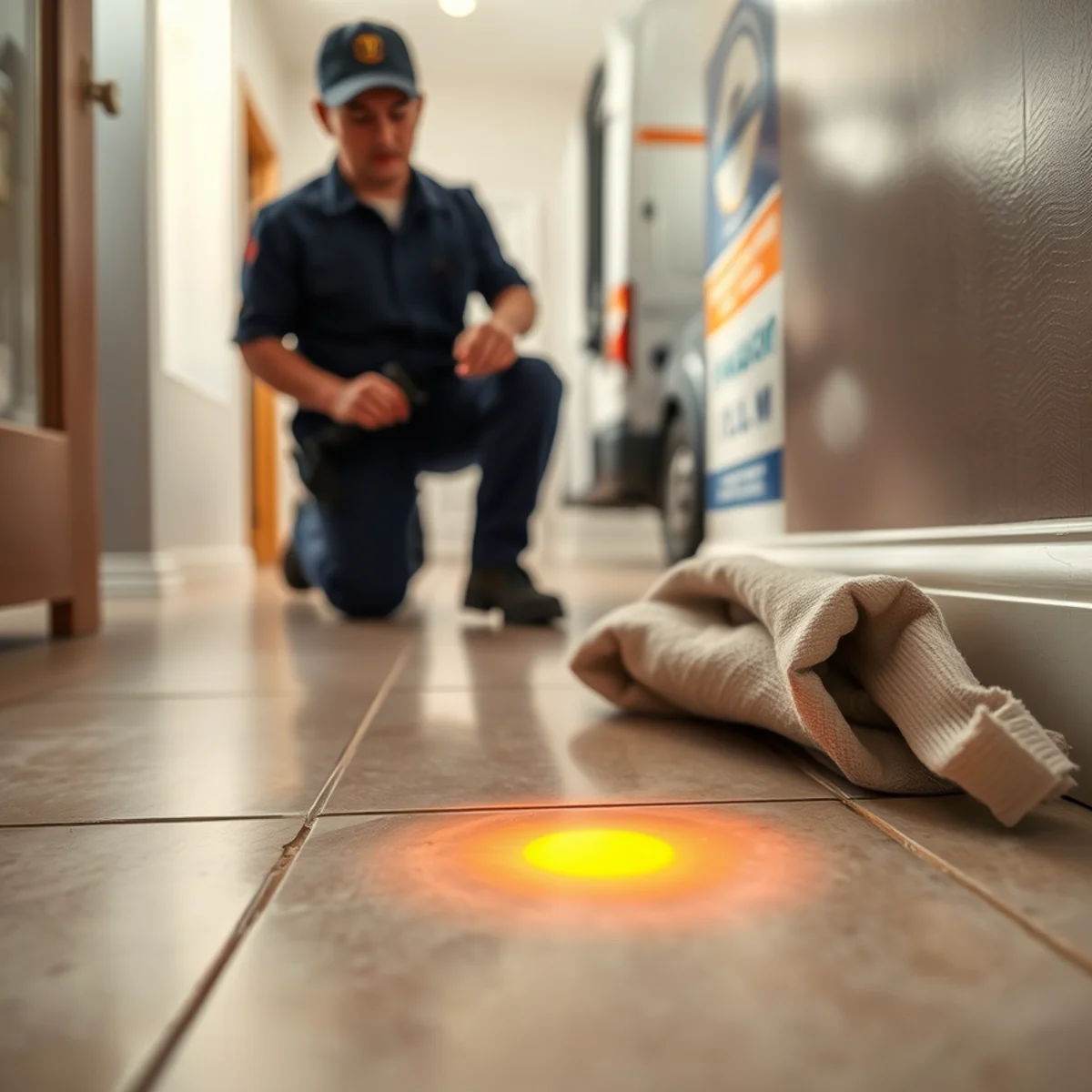
This is the classic one. When a hot-water line leaks under the slab, it warms the floor above it. If one patch of tile or carpet is oddly warm — and it's not over a heating duct — suspect a hot-side slab leak.
2. Your water bill jumped for no reason
A slab leak runs 24/7. An unexplained spike in your bill — with no new landscaping, guests, or habits to explain it — is one of the most reliable signs something is leaking out of sight.
3. You hear running water with everything off

Turn off every fixture and listen. If you still hear water moving — a faint hiss or rushing — it's escaping somewhere it shouldn't, often under the slab or behind a wall.
4. Low water pressure

A leak bleeds off pressure before it reaches your fixtures. If pressure has dropped noticeably and steadily, a hidden leak is one likely cause (hard-water scale is another).
5. Cracks or moisture in the floor
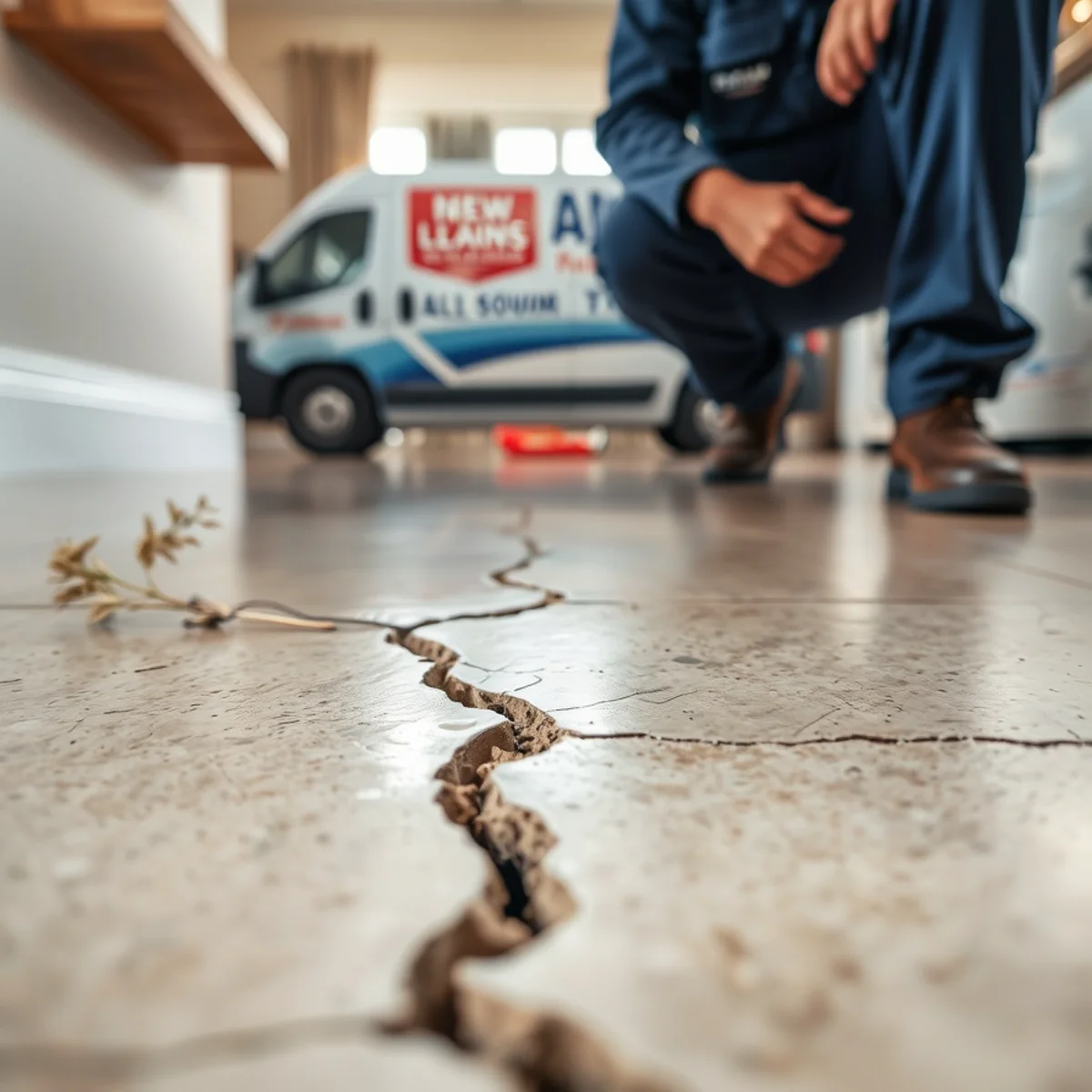
Persistent damp spots, buckling flooring, or new cracks in tile and grout can mean water is moving under the slab. A musty smell or mildew with no obvious source points the same direction.
6. The water meter keeps moving
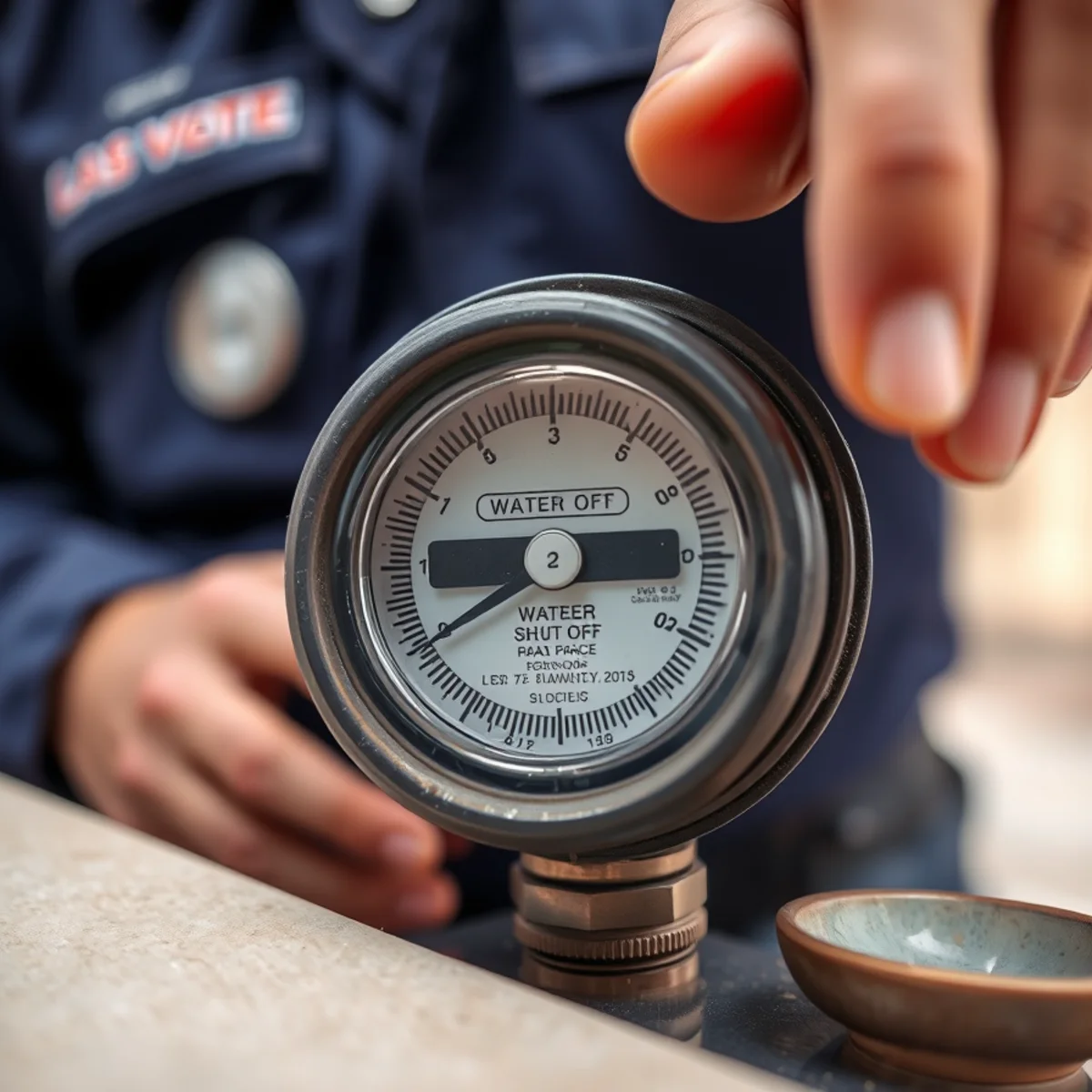
Shut off all water and check your meter. If the dial or leak indicator is still turning, water is flowing somewhere in your system — a strong confirmation before you call.
Seeing these signs? Don't cut into your floor guessing. We use non-invasive leak detection to pinpoint it first, then handle the slab leak repair — reroute or spot fix — the honest way.
Why Las Vegas homes are prone to slab leaks
Expansive soils, decades of copper run under slabs, and 16-grain water are a bad combination. Older master plans like The Lakes built in the 1970s–90s are prime territory, but any slab-on-grade home here can develop one. If you've had two or more in a few years, it's time to talk about a whole-home repipe rather than repeat repairs.
What happens after you call
Spotting the signs is step one; the next step is locating the leak precisely, because guessing means jackhammering good concrete. We use non-invasive leak detection — acoustic listening gear and pressure testing — to pinpoint the leak under the slab before opening anything.
From there you get honest options. A single leak in otherwise-sound copper can be a spot repair or an overhead re-route that avoids the slab entirely; a home on its second or third slab leak is usually better served by a whole-home repipe than by chasing one failure after another. We price each path up front so the choice is yours.
Talk to a Las Vegas plumber now
Open 24/7 for plumbing emergencies. Call for honest, up-front pricing.
Frequently asked questions
How urgent is a slab leak?
Urgent enough not to ignore. It won't flood the house in an hour like a burst pipe, but it wastes water continuously and can damage flooring and the foundation over time. Get it located and repaired promptly.
Does insurance cover slab leak repair?
It varies. Many policies cover the resulting damage and access, but not the pipe repair itself — and coverage differs by policy. See our guide on insurance and slab leaks.
How much does slab leak detection and repair cost?
Electronic leak detection is a modest flat fee, and it's money well spent — it keeps the repair small by opening only where the leak is. The repair itself depends on the fix: a spot repair or re-route is far cheaper than a full repipe. We give you a written price for each option before any concrete or drywall is touched.
The bottom line
Warm floors, a bill spike, and running-water sounds are your early warning. Catch a slab leak early and it's a targeted repair; ignore it and it becomes a foundation problem. If you suspect one, call (614) 830-0578.
Related pages