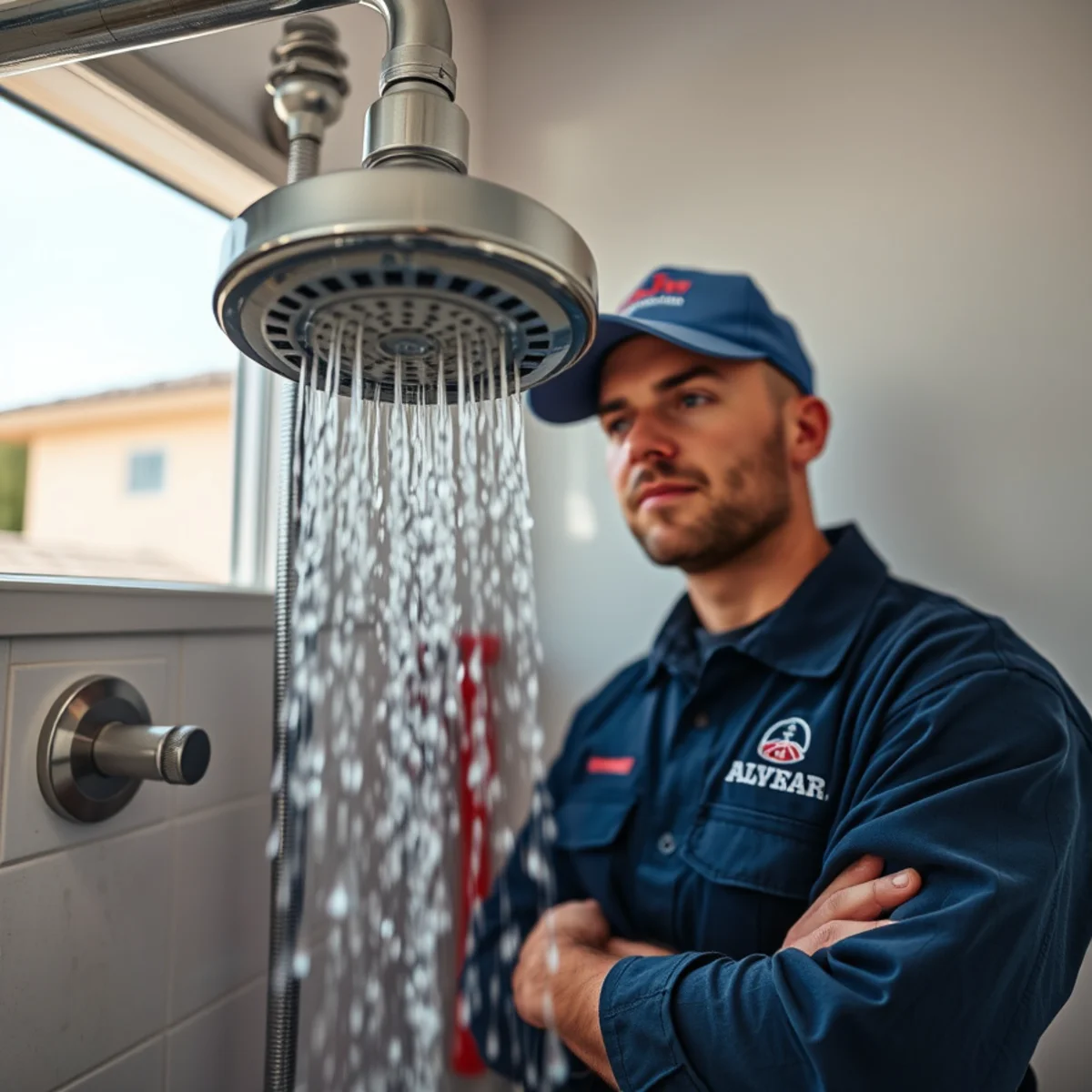
Lake Mead sits at historic lows, and it is a fair question: is the drought why your shower feels weak? The connection is real, but it is almost never the one people assume.
Blaming the lake for low pressure is easy, and it can quietly cost you — because it means ignoring a fixable problem in your own walls. Here is what Lake Mead and the drought actually change about your water, and what really controls the pressure at your tap.
The short answer: the drought isn't lowering your tap pressure
Your household water pressure is not set by how full Lake Mead is. The Southern Nevada Water Authority and the local utilities maintain delivery pressure to your neighborhood regardless of the lake's level, and they have engineered the system to keep doing so — including the deep 'third straw' intake built specifically to keep drawing water as the reservoir drops.
So when your pressure feels low, the lake is not the culprit. The cause is almost always on your side of the meter or in your local delivery zone — which is also where the water's hardness lives, as we cover in how hard Las Vegas water is.
What Lake Mead's decline actually changes
The drought is a genuine, serious issue — it just shows up as policy, not pressure. A shrinking Lake Mead drives conservation rules, rate structures, and landscape mandates, not the reading on your pressure gauge.
If you want to see the drought's real effect on valley homes, look at your yard, not your faucet: the AB 356 turf ban is the drought reaching onto your property. Your shower pressure is a separate story.
What really controls your home's pressure
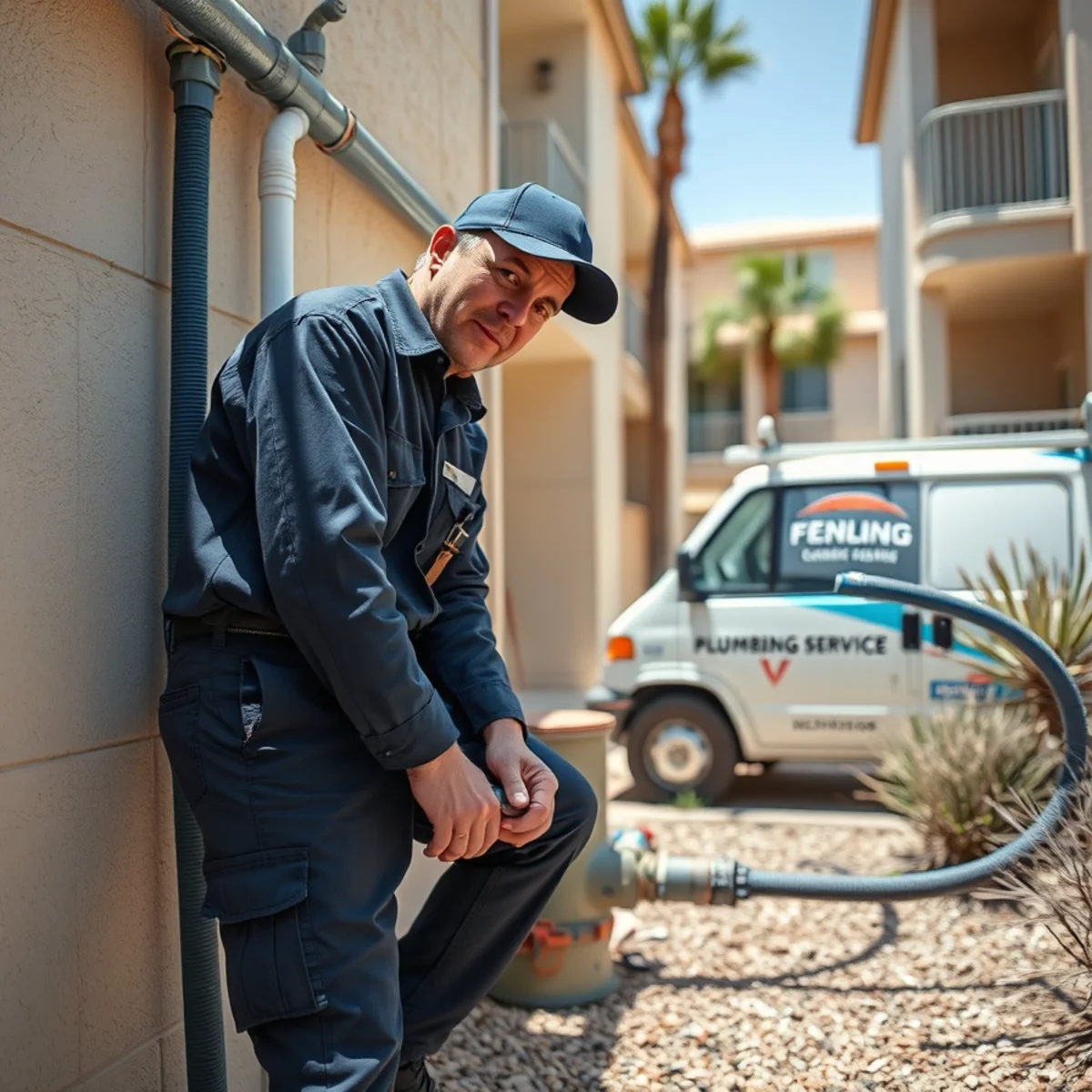
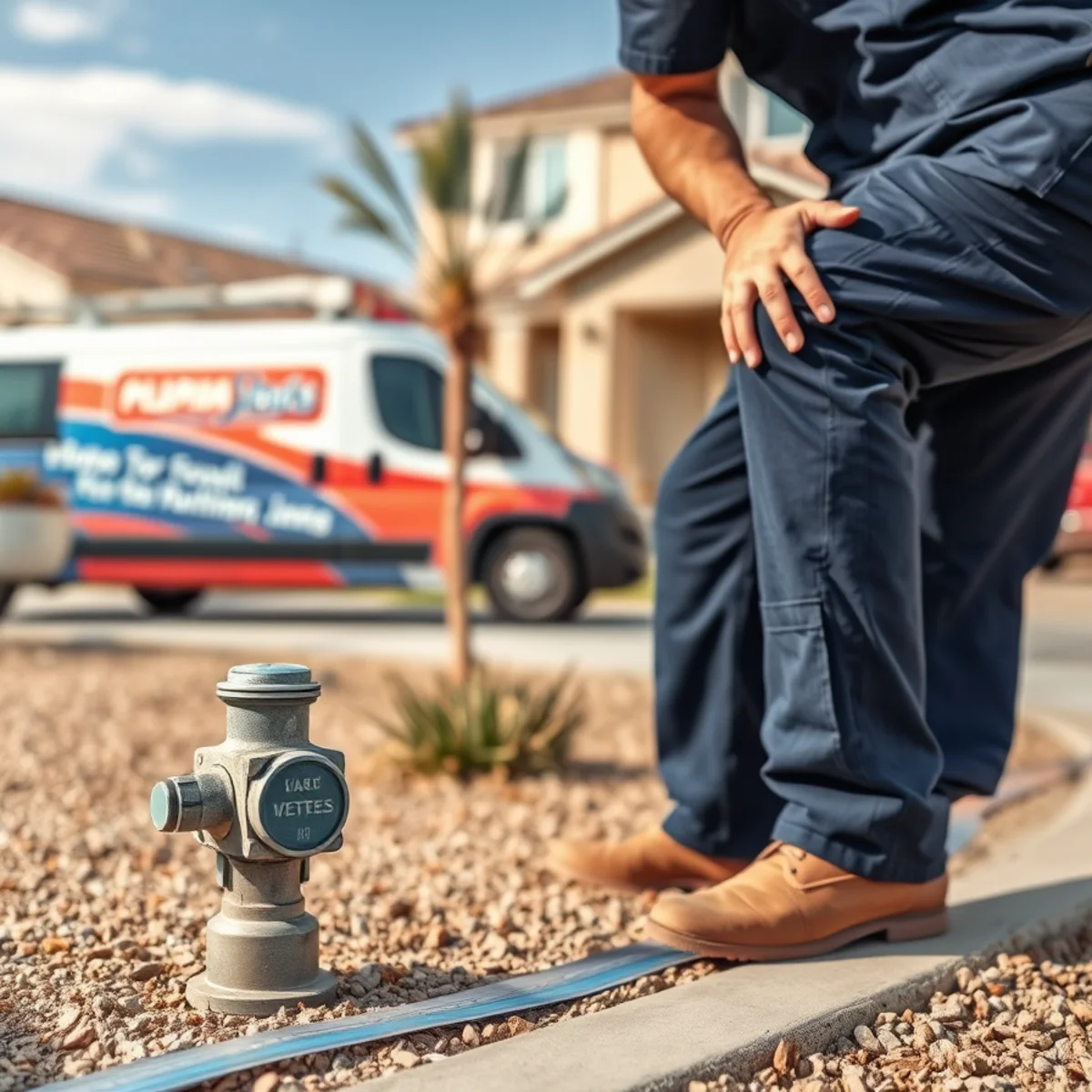
Three things set the pressure you feel. First, the utility's delivery pressure to your zone, which varies with elevation — higher-elevation neighborhoods can see different psi than the valley floor. Second, your pressure-reducing valve (PRV), the fitting that steps street pressure down to a safe household level. Third, the condition of your pipes and fixtures.
A failing PRV is the single most common real cause of pressure complaints we get — it can let pressure sag or spike. Diagnosing and replacing it is routine residential plumbing, and it fixes far more pressure problems than anything happening at the reservoir.
The hard-water tax on your pressure
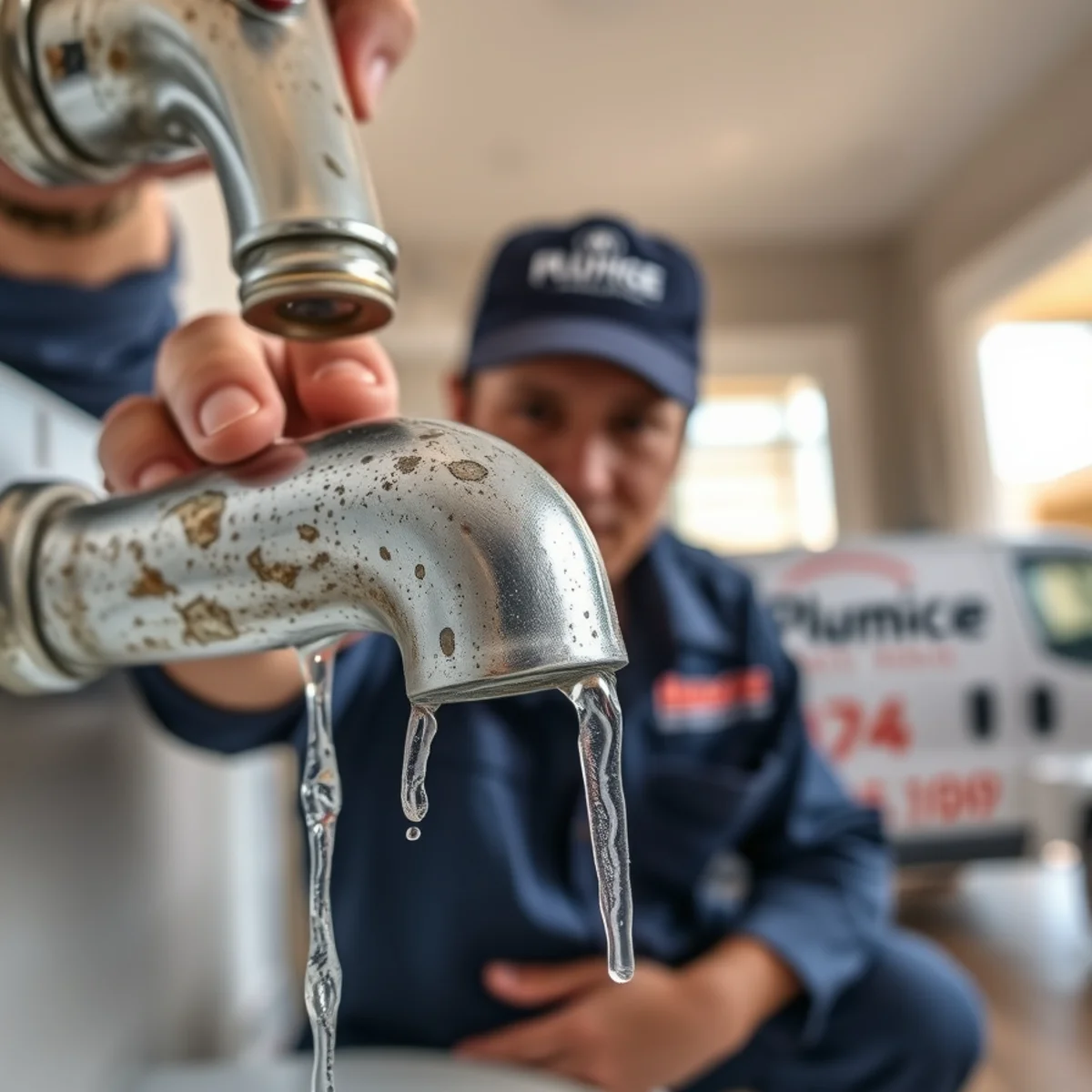
Here is the sneaky one. Valley water is very hard, and over the years scale narrows the inside of your pipes and clogs aerators, showerhead screens, and valve cartridges. The result is a slow, creeping loss of flow that is easy to blame on 'the water pressure' when it is really buildup.
A whole-home water softener stops new scale from forming, and clearing or replacing scaled-up fixtures restores flow that was choked off gradually. If your pressure faded over years rather than dropping overnight, scale is the prime suspect — not the drought.
Elevation and pressure zones: the Boulder City angle
Geography matters more than lake level. Boulder City sits right next to Lake Mead and Hoover Dam and even runs its own municipal water system, yet what shapes pressure there is the same thing that shapes it anywhere — elevation, local pressure zones, and the plumbing in each home. Proximity to the reservoir does not translate into stronger taps.
The same is true across the valley. Two homes a mile apart can feel different at the showerhead because they sit in different pressure zones, not because one is closer to the water.
When to call
Timing points to the cause. Pressure that drops suddenly usually means a failed PRV or a leak, and it is worth diagnosing quickly. Pressure that fades slowly over years usually means scale.
Either way, it is a solvable problem, and it starts with a look at your PRV, your fixtures, and your lines — with a written, up-front price on whatever it takes to fix it.
Talk to a Las Vegas plumber now
Open 24/7 for plumbing emergencies. Call for honest, up-front pricing.
Frequently asked questions
Is my low water pressure caused by the drought?
Almost never directly. Utilities maintain delivery pressure regardless of Lake Mead's level. Low pressure at home usually traces to a failing pressure-reducing valve, hard-water scale in the pipes and fixtures, or a hidden leak.
Could Lake Mead ever get too low to supply the valley?
SNWA built a deep, low-level intake and pumping station specifically to keep drawing water as the lake drops. The concern the drought drives is long-term supply and conservation policy, not the pressure at your tap.
How do I fix low pressure in my house?
Start by diagnosing the pressure-reducing valve, then clear or replace scale-clogged aerators and fixtures, and rule out a hidden leak. Which one it is usually depends on whether the pressure dropped suddenly or faded over years.
The bottom line
Lake Mead's decline is real and worth taking seriously — but it is not what is weakening your shower. That is almost always a PRV, scale, or a leak, and all three are fixable. If your home's pressure is off, skip the guesswork and call Mike's Drain and Plumbing at (614) 830-0578.