A toilet that keeps running is more than an annoying hiss. A running toilet can waste hundreds of gallons a day, and it shows up on a water bill fast. In Las Vegas the cause is usually sitting right there in the tank: parts worn out or crusted over by hard water.
The good news is that most running toilets are a cheap, quick fix once you know which part failed. Here is what hard water does inside the tank, how to find the culprit, and when to call it in.
How hard water wrecks a toilet tank
Everything inside a toilet tank sits in valley water day and night. At roughly 16 grains of hardness, that water leaves mineral scale on every surface — the flapper, the flush valve seat, the fill valve, and the chain.
Two things happen. The rubber flapper hardens and warps as minerals build on it, so it no longer seals. And scale crusts on the flush valve seat it is supposed to sit against. Either one lets water sneak from the tank into the bowl, so the fill valve keeps topping the tank off — the endless running you hear.
Find out which part is failing
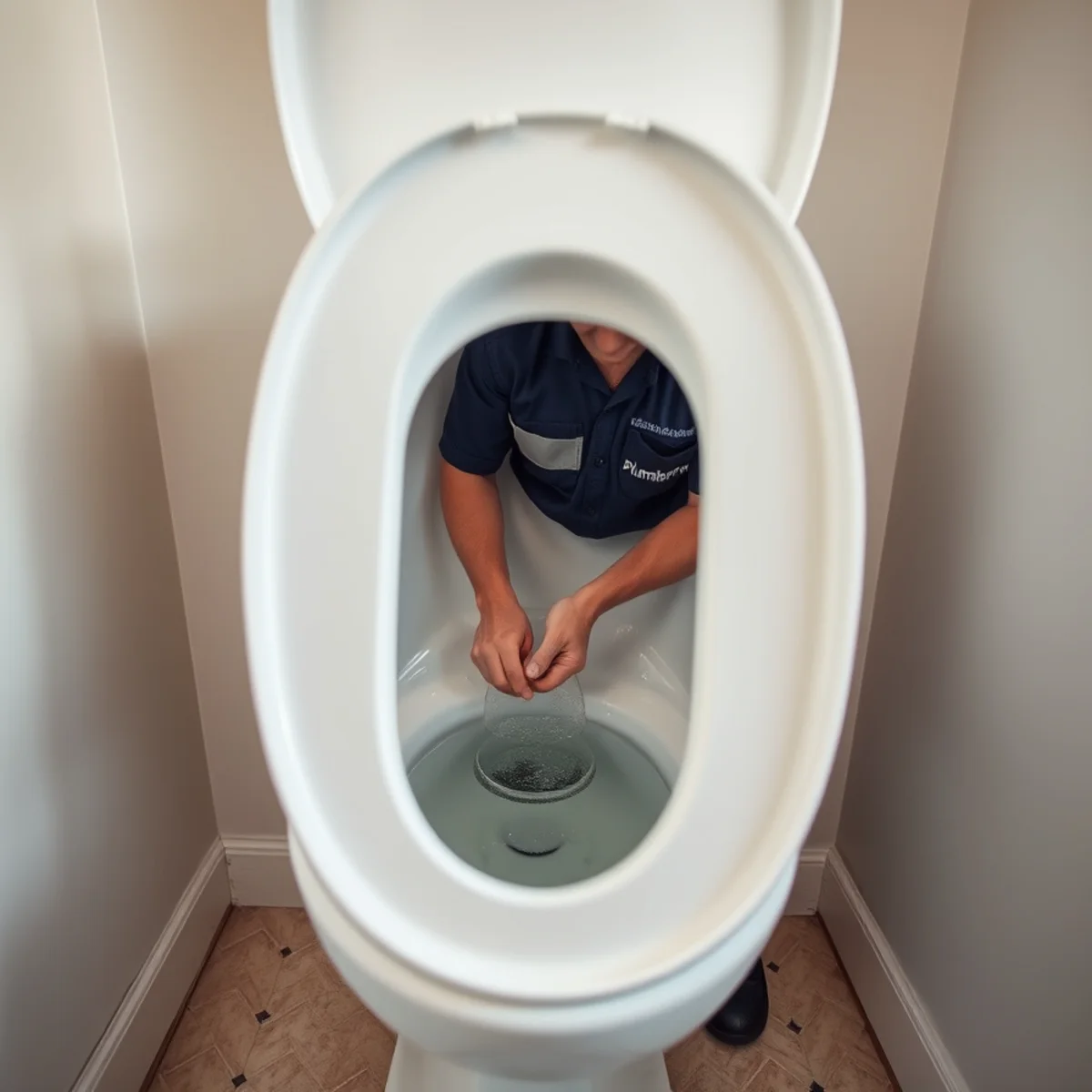
A two-minute test tells you a lot. Put a few drops of food coloring in the tank and wait 15 minutes without flushing. If color shows up in the bowl, the flapper or flush valve seat is leaking. If it does not, the problem is the fill valve running long or set too high.
Also lift the lid and look. A flapper that is stiff, warped, or coated in crust is your answer. A waterline above the overflow tube means the fill valve or float is set too high or not shutting off.
- Dye shows in the bowl: flapper or flush valve seat is leaking
- No dye, still running: fill valve or float needs adjusting or replacing
- Water spilling into the overflow tube: float set too high
- Gritty crust on parts: hard-water scale is the root cause
The fixes that actually last
For a worn flapper, replace it — do not just clean it. A few dollars of new rubber reseals the tank, and in our water it is the most common fix. Wipe scale off the flush valve seat so the new flapper meets a clean surface.
If the fill valve is the problem, adjust the float first; if it still runs, replace the valve. When you swap parts here, buy quality — the cheapest flappers harden fastest in hard water. Expect to be back sooner if you go bargain-basement.
If the flush valve seat itself is pitted and scaled past cleaning, no new flapper will seal against it. In that case the whole flush valve assembly gets replaced, which on many toilets means pulling the tank. It is still an affordable repair, just a bigger one than a five-minute flapper swap.
Why it keeps happening — and how to stop it
If you are replacing flappers every year, the parts are not the real problem — the water is. Hard water will keep chewing through tank components, faucet cartridges, and valve seats throughout the house. Treating it at the source with a water softener or hard water treatment makes those parts last years instead of months and protects fixtures everywhere. Our guide on how hard Las Vegas water really is explains just what your plumbing is up against.
When a fix is beyond a flapper — a cracked tank, a fill valve that keeps failing, or a toilet that runs and leaks at the base — that is a toilet and faucet repair call. We handle these all over the south valley, including Enterprise right around our shop, and we will tell you whether it is a part or time for a new fixture.
Talk to a Las Vegas plumber now
Open 24/7 for plumbing emergencies. Call for honest, up-front pricing.
Frequently asked questions
How much water does a running toilet actually waste?
A steadily running toilet can waste anywhere from a couple hundred to over a thousand gallons a day depending on the leak. In a place that pays close attention to water, it is worth fixing the day you notice it.
Why do I keep replacing the flapper every year?
Because hard-water scale hardens and warps the rubber fast. Using a better-quality flapper helps, but the lasting answer is treating the water so the minerals stop attacking tank parts, faucet cartridges, and valve seats throughout the house.
Can a running toilet fix itself?
Sometimes a stuck flapper or tangled chain resets after a flush or a jiggle. If it comes back or runs constantly, a part has worn out and needs replacing — it will not cure itself, and it is wasting water the whole time.
The bottom line
A running toilet is almost always a hard-water-worn flapper or fill valve — a quick, cheap fix once you spot which one. If you are replacing parts constantly, treat the water instead of fighting the symptom. Tired of the hiss and the bill? Call (614) 830-0578.