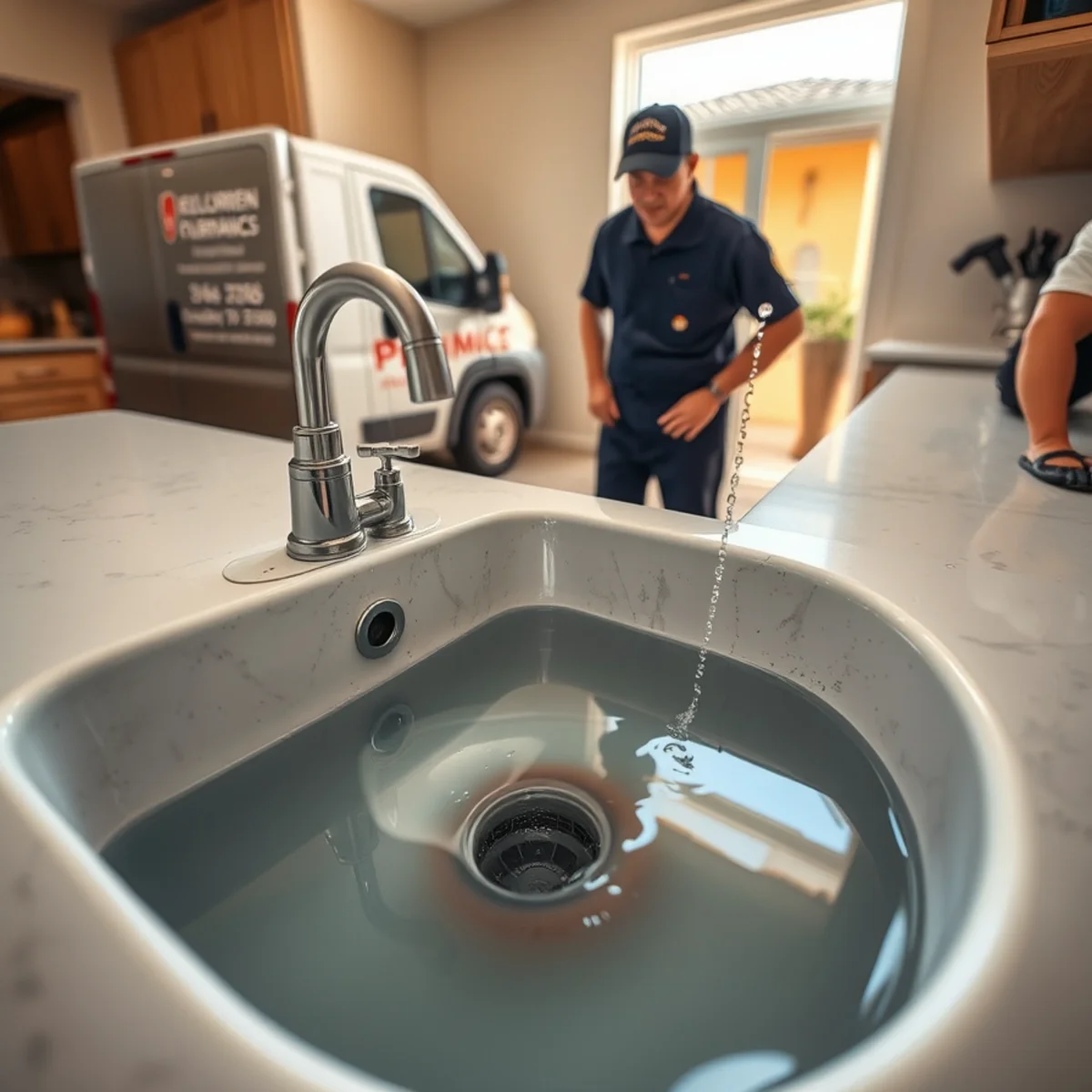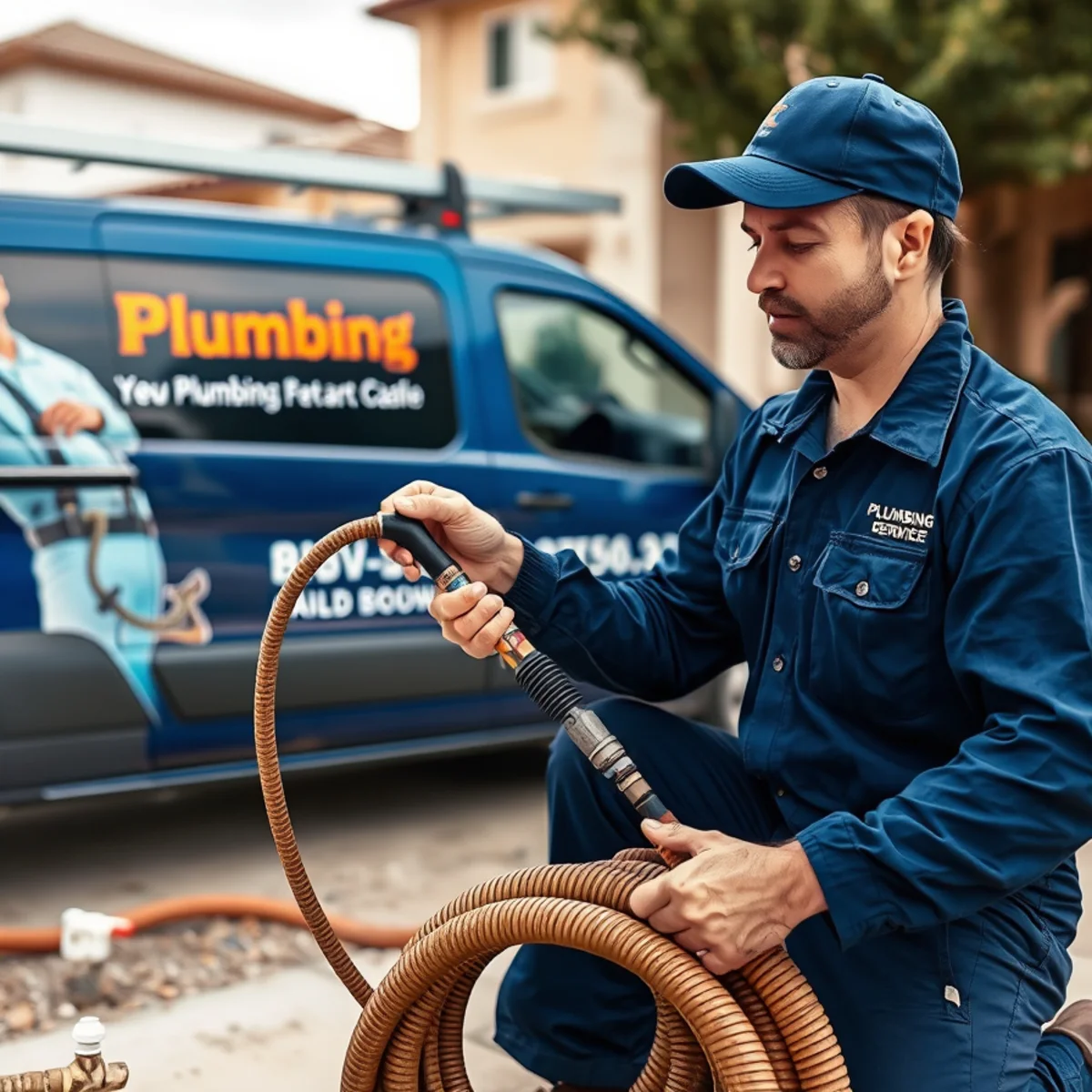
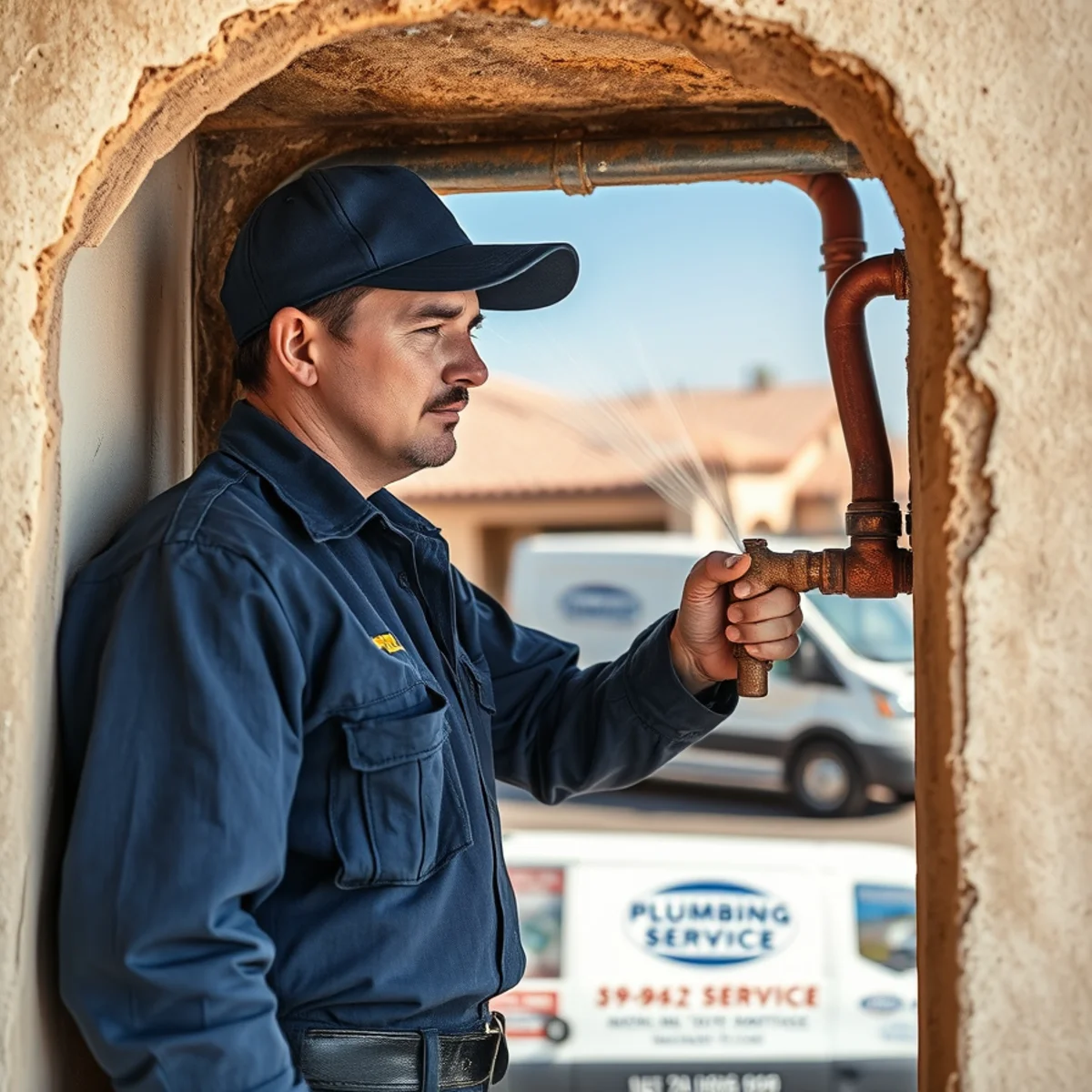
A pinhole leak is exactly what it sounds like: a hole in a copper pipe no bigger than a pin, weeping water where you cannot see it. The pipe corroded from the inside until it finally broke through at a weak spot.
The size is deceiving. A pinhole can drip inside a wall for weeks — soaking drywall, warping baseboards, and feeding mold — before a stain finally shows. And a pinhole is rarely alone. If the inside of one pipe reached that point, the rest of the run is not far behind.
Here is why copper fails this way in Las Vegas, how we fix it, and how to know when patching stops making sense.
What causes pinhole leaks here
Pinhole leaks come from pitting corrosion — tiny, deep pits that eat through the copper wall from the inside out. Several valley conditions push it along. Our hard, mineral-heavy water is chemically aggressive to copper over time. High water pressure and water hammer stress the pipe. And older or thin-wall copper simply has less metal to lose before it perforates.
Hot-water lines tend to go first because heat accelerates the corrosion. That is also why a pinhole in a hot line under the slab shows up as a warm spot on the floor — a classic desert failure.
The warning signs
Pinholes hide, so you learn to read the indirect signs. A stain on a ceiling or wall, a musty smell, or paint that bubbles means water is getting where it should not. Green or white crusty deposits on exposed copper in the garage or under a sink mark spots where the pipe is corroding and may already be weeping.
A water bill that crept up with no change in habits, or the hiss of running water when everything is off, points to a hidden leak — possibly under the slab.
- Water stains or bubbling paint on walls and ceilings
- Green or white crust on exposed copper pipe
- A musty smell or unexplained mold in one area
- A rising water bill or running-water sound with taps off
Finding the leak without tearing up the house
The mistake is cutting open drywall to hunt for a leak. We locate it first. Electronic leak detection — acoustic listening, pressure testing, and thermal imaging — pinpoints the exact spot, including leaks buried in a wall or under the slab.
That precision matters. It is the difference between opening a one-foot section over the actual leak and opening half a wall guessing. If the signs point to a slab leak, our slab leak warning-signs guide covers what to watch for.
Spot repair versus repipe
A single, first-time pinhole in accessible pipe is a spot repair — we cut out the bad section and splice in new pipe. That is the right call when the rest of the system is sound and this is a one-off.
But pinholes cluster. When you have had two or three across the house, or the leaks are under the slab, or the copper is old thin-wall throughout, patching becomes a losing game — you fix one spot and another opens a few months later. At that point a whole-home repipe in modern PEX ends the cycle for good and usually costs less than years of chasing individual leaks and repairing water damage.
Why PEX makes sense in the valley
When we repipe, we most often use PEX. It does not pit and corrode the way copper does in our aggressive water, it handles pressure swings and water hammer better, and it installs with fewer joints, which means fewer places to ever leak.
This is a common conversation in the older lake communities. Homes in Desert Shores, built in the 1980s and 1990s, are hitting the age where original copper starts pinholing — and a repipe there is often the smarter long-term spend than another patch. We give you a written price and can usually do it with minimal wall opening.
Talk to a Las Vegas plumber now
Open 24/7 for plumbing emergencies. Call for honest, up-front pricing.
Frequently asked questions
Can one pinhole leak just be patched and forgotten?
Sometimes — if it is a first, isolated leak in otherwise healthy copper, a spot repair is reasonable. But because pinholes come from system-wide corrosion, a second or third leak is a strong sign the whole run is failing and a repipe will save money over repeated patches.
Does a water softener help prevent pinhole leaks?
Treating the water reduces the aggressive mineral chemistry and scale that contribute to copper corrosion, so it can slow future pitting. It will not reverse corrosion already underway, but on a repiped or newer system it helps protect the pipe going forward.
How much damage can a pinhole leak really do?
A lot, because it hides. Weeks of slow leaking inside a wall or under the slab can ruin drywall, flooring, and framing and grow mold long before you spot it. Finding and fixing it early is far cheaper than the water-damage repair.
The bottom line
Pinhole leaks are small holes with big consequences, and in our aggressive water they rarely come one at a time. Locate the leak precisely, spot-repair a true one-off, and repipe when the copper is failing across the house. Spotted a stain or crusty copper? Call (614) 830-0578.
Related pages