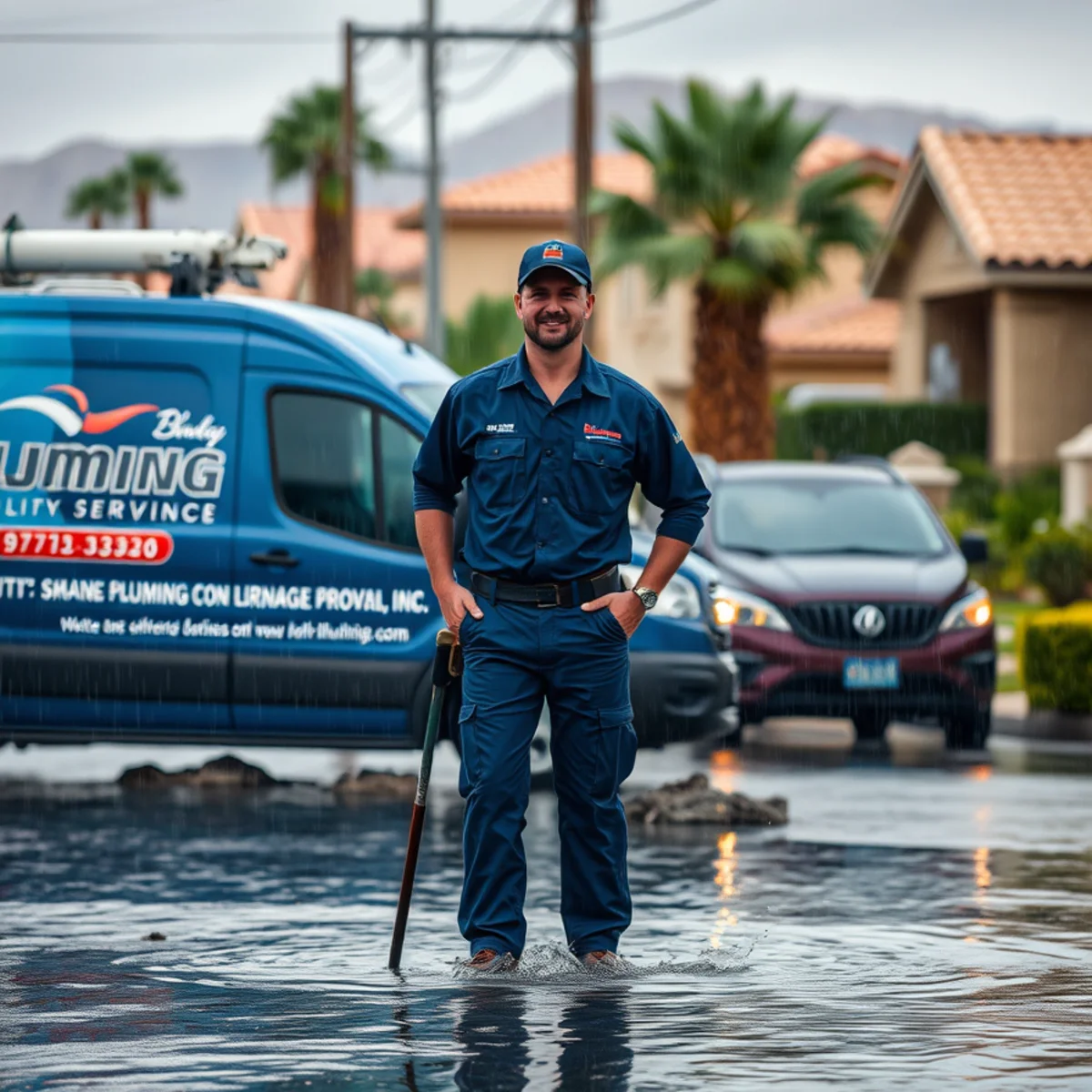
Las Vegas averages only a few inches of rain a year, but much of it falls in violent monsoon bursts from roughly July through September. Dry-baked desert soil can't absorb it fast, so it runs — into streets, yards, and sometimes your plumbing.
Monsoon season doesn't just cause street flooding. It stresses sewer lines, overwhelms drains, and finds every weak spot in your home's drainage. Here's what to watch for and how to prepare.
How monsoons back up sewer lines
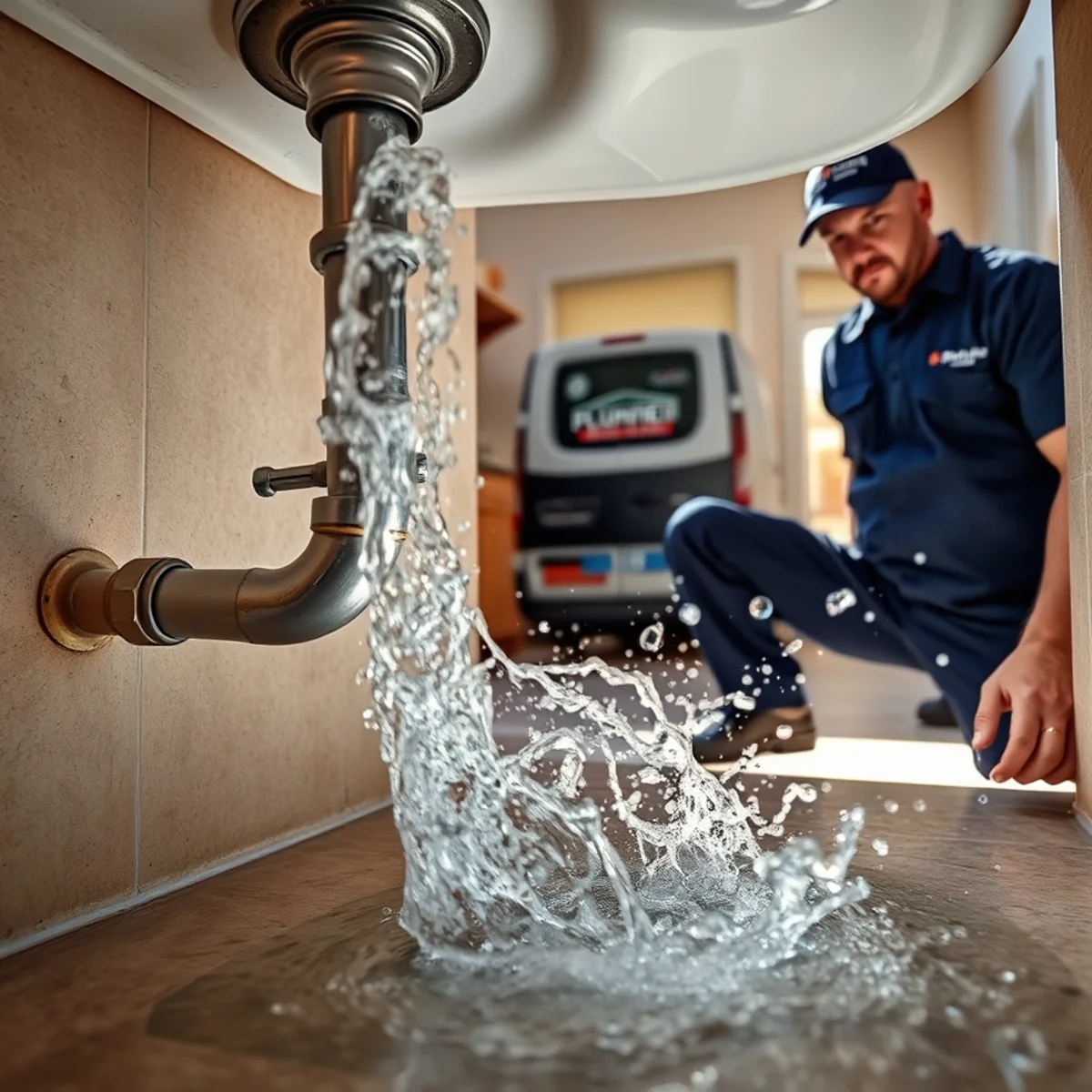
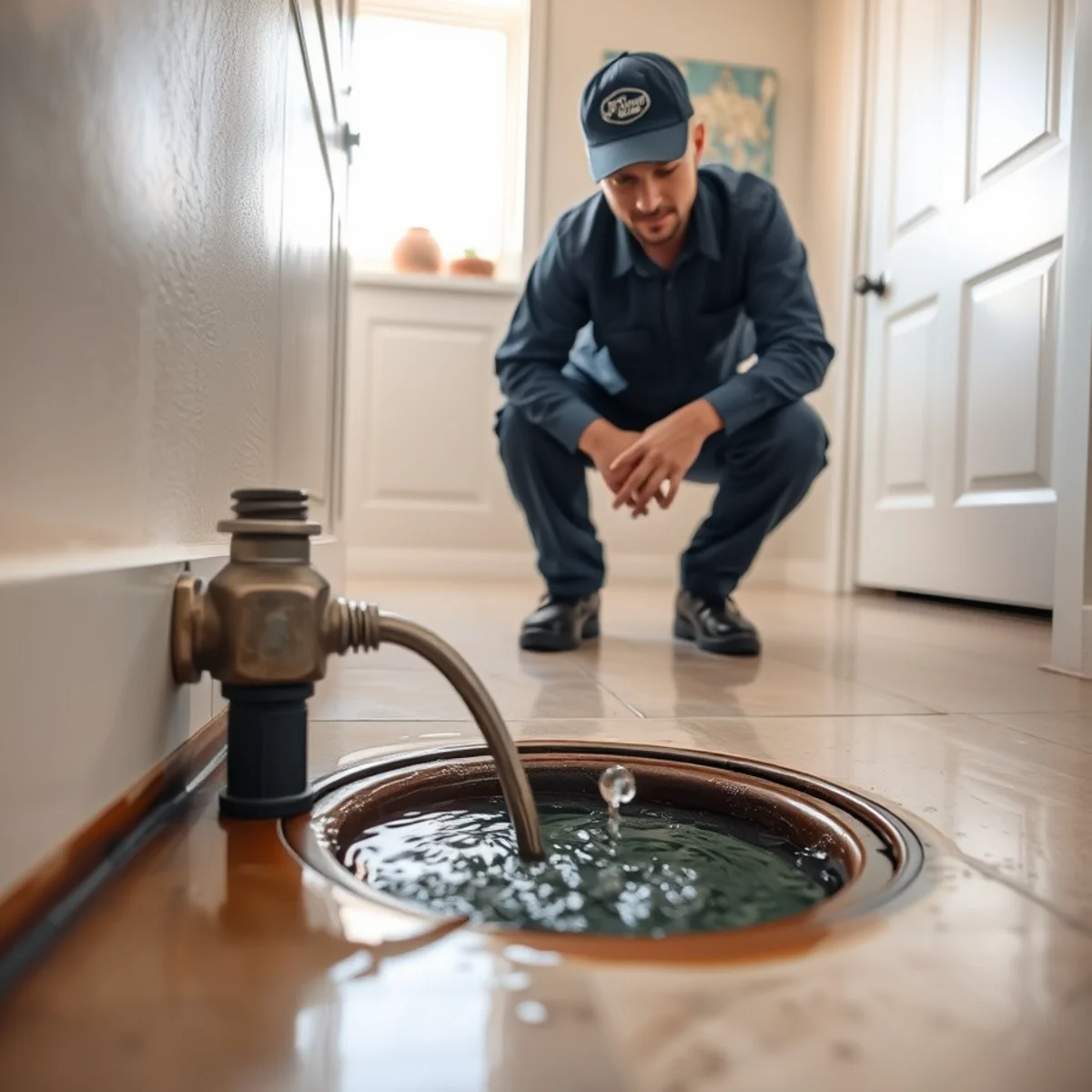
Storm runoff seeps into the ground and infiltrates any sewer line with cracked joints or root intrusion. That surge of groundwater can overwhelm the line and push wastewater back up into low drains — tubs, showers and floor drains.
If your drains slow down or gurgle during heavy rain, that's a warning your line has openings letting stormwater in. A camera inspection before the next storm can find them; see sewer line repair.
Yard drainage and pooling
Poor grading sends water toward the house instead of away. Pooling near the foundation can seep in and, over time, contributes to the soil movement that stresses slab plumbing. Keep area drains and yard drains clear so water actually leaves.
Garage and low-point flooding
Garages and sunken entries are common flood points. If storm water reaches your water heater or reaches outlets, treat it seriously — see our guide on what to do with a flooded garage. A major intrusion is a call for emergency water leak and flood response.
Prepare before the season
A little prep goes a long way: clear debris from yard and area drains, have your main sewer line camera-inspected if it's older, know where your main water shutoff is, and address any drains that already run slow. Homes in flood-prone and older-drainage areas like parts of Enterprise benefit most from getting ahead of it.
- Clear yard, patio and area drains of dirt and debris
- Camera-inspect older sewer lines before storm season
- Confirm your main shutoff works and everyone knows it
- Fix slow drains now — they'll fail first under a surge
A backwater valve stops sewage coming back in
If storm surges have ever pushed wastewater up into your low drains, the permanent fix is a backwater valve — a one-way gate installed in the sewer line that lets waste flow out but slams shut if the city main or a saturated line tries to push it back toward your house.
It's especially worth considering for homes with low first-floor drains or a history of monsoon backups. We can assess whether your layout is a good candidate and install one as part of sewer line work, so the next big storm can't turn your tubs and showers into an inlet.
Talk to a Las Vegas plumber now
Open 24/7 for plumbing emergencies. Call for honest, up-front pricing.
Frequently asked questions
Why do my drains gurgle when it rains hard?
Gurgling during rain usually means stormwater is infiltrating your sewer line through cracks or root-invaded joints and displacing air. It's a sign to have the line inspected before it backs up.
Does homeowner's insurance cover monsoon flood damage?
Standard homeowner's policies often exclude flood from outside water — that typically needs separate flood coverage. Damage from an internal plumbing failure is treated differently. Check your policy before the season.
Can heavy rain really back sewage up into my house?
Yes. When stormwater infiltrates a cracked or root-invaded sewer line, the surge can overwhelm it and push wastewater back up through the lowest drains — a tub, shower or floor drain. Homes with openings in the line are most at risk, which is why a pre-season camera inspection (and, in some cases, a backwater valve) pays off.
The bottom line
Monsoon season is short but intense. Clear your drains, inspect an aging sewer line, and know your shutoff — then a big storm is an inconvenience instead of a flooded house. Need help before the rains? Call (614) 830-0578.