A tankless water heater is a great appliance right up until scale clogs its heat exchanger — then it throws error codes, loses output, and eventually fails. In Las Vegas that happens faster than almost anywhere, because our water is loaded with the minerals that build scale.
The fix is descaling: flushing a mild acid solution through the unit to dissolve the buildup. It is straightforward maintenance, and doing it on schedule is the difference between a tankless heater that lasts 20 years and one that dies in three.
Here is how it works, how often to do it here, and when to hand it off.
Why Vegas tankless units scale so fast
A tankless heater passes water through a narrow heat exchanger and heats it hard and fast. Every pass leaves a little calcium and magnesium behind on those tight internal passages. At roughly 16 grains of hardness, valley water plates them quickly.
As scale builds, it insulates the exchanger and restricts flow. The unit works harder for less hot water, efficiency drops, and error codes for restricted flow or overheating start showing up. Left long enough, the exchanger clogs solid and needs replacing — an expensive part that a yearly flush would have protected.
How often to descale here
The manuals often say every one to five years. That range is for average water. In Las Vegas, plan on once a year — and if you have no water treatment or you run a lot of hot water, consider every six to nine months.
The best move is to pair the unit with hard water treatment. Behind a softener, the scale builds far slower and the exchanger stays clean between services. Treated or not, do not stretch a valley tankless heater to the five-year end of that range — our water will not allow it.
What you need to do it
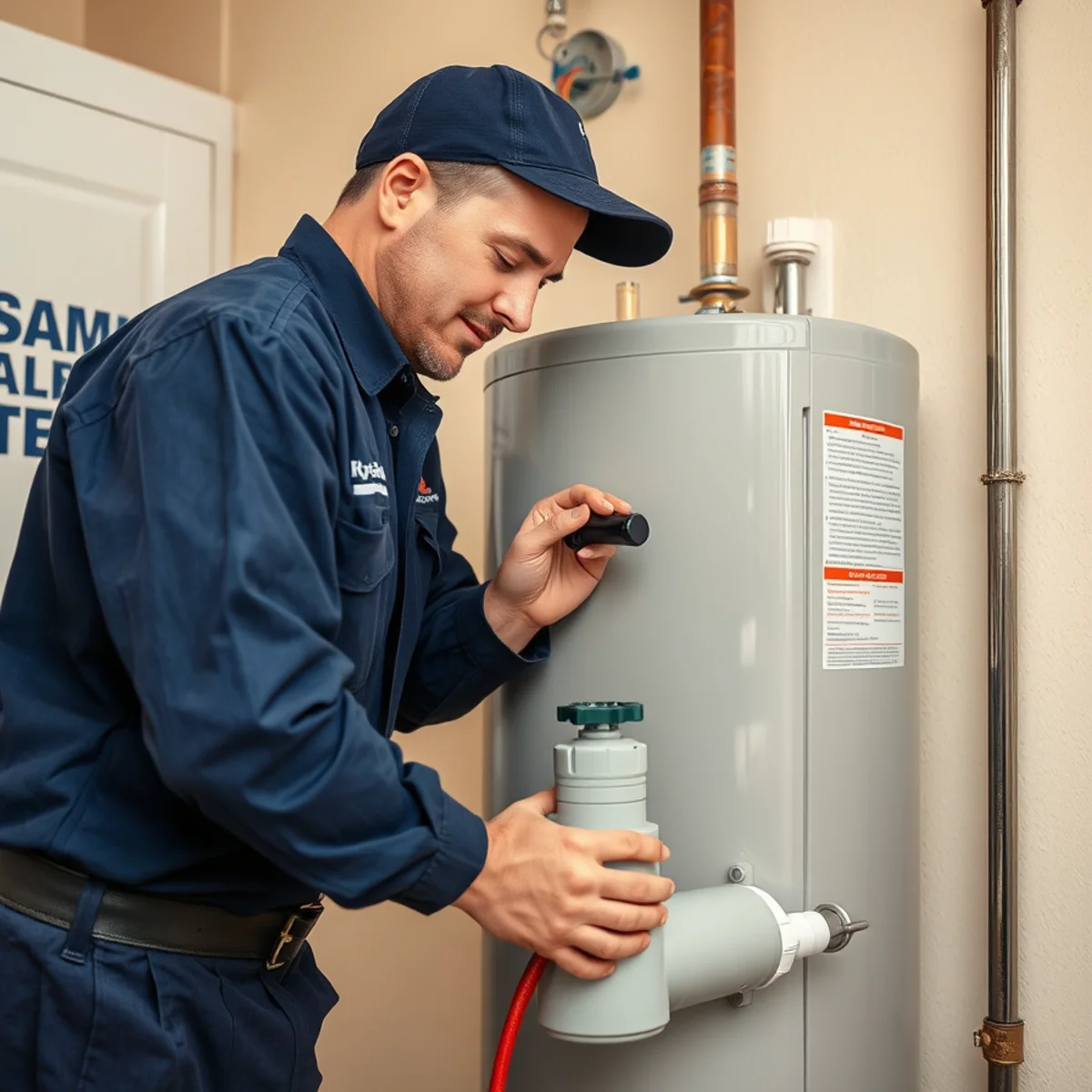
Most tankless installs include two isolation valves — the service ports — specifically for this job. If yours has them, descaling is a DIY-friendly afternoon. If it does not, adding an isolation valve kit is a small upgrade we can do that makes every future flush easy.
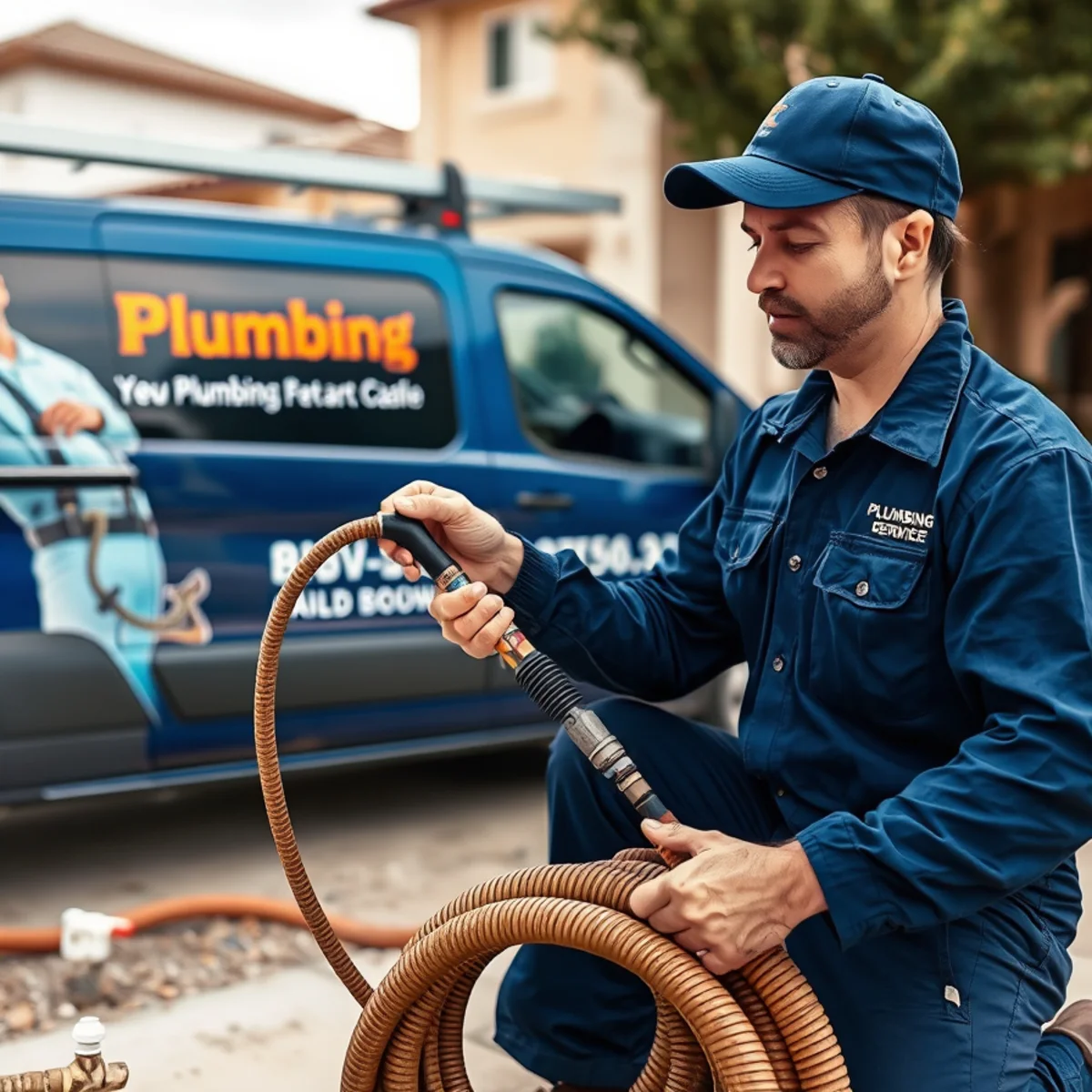
You will need a submersible pump, two hoses, a five-gallon bucket, and a descaling solution — either a food-grade descaler or plain white vinegar. Never use a household cleaner or a harsh acid; you can damage the exchanger.
- Submersible pump and a five-gallon bucket
- Two hoses to connect the pump to the service ports
- Food-grade descaler or several gallons of white vinegar
- Isolation (service) valves on the unit — add them if missing
The step-by-step flush
Work in order and take your time. Cut the power or set a gas unit to off, and shut the gas supply. Close the hot and cold isolation valves to seal the heater off from the house lines. Connect the pump in the bucket to the cold service port and a return hose from the hot service port back into the bucket.
Open the service valves, fill the bucket with your solution, and run the pump to circulate it through the unit for 45 minutes to an hour. Then dump the solution, refill the bucket with clean water, and circulate that to rinse. Close the service valves, reopen the hot and cold valves, restore gas and power, and run a hot tap to confirm normal flow.
When to hand it to us
Descale it yourself if the unit has service valves and you are comfortable with the steps. Call us if there are no isolation valves, if the unit is still throwing error codes after a flush, or if you would simply rather have it done and checked over.
We service and install tankless water heaters across the valley, including the newer builds around Summerlin South where tankless is common. A professional descale comes with a full inspection — flow, venting, and error history — so small problems get caught before they strand you without hot water. If you are still deciding whether tankless fits at all, our tankless versus tank comparison lays it out.
Talk to a Las Vegas plumber now
Open 24/7 for plumbing emergencies. Call for honest, up-front pricing.
Frequently asked questions
Can I use vinegar to descale, or do I need a special solution?
Plain white vinegar works and is safe for the heat exchanger — it just takes a bit longer than a commercial food-grade descaler. Avoid household cleaners and strong acids, which can damage internal components.
What if my tankless heater has no isolation valves?
You cannot easily flush it without them. Adding an isolation valve kit is a small, worthwhile upgrade that makes every future descaling simple. We install them quickly on a normal visit.
How do I know it's overdue for descaling?
Watch for reduced hot-water flow, temperature that swings during a shower, rumbling from the unit, or scale or flow-restriction error codes. Any of those in a Vegas home usually means scale has built up and it is past time.
The bottom line
Descaling is the one piece of upkeep that decides whether your tankless heater lasts two decades or a few years — and in Las Vegas that means doing it yearly, ideally behind a softener. Want it flushed, valved, and inspected right? Call (614) 830-0578.