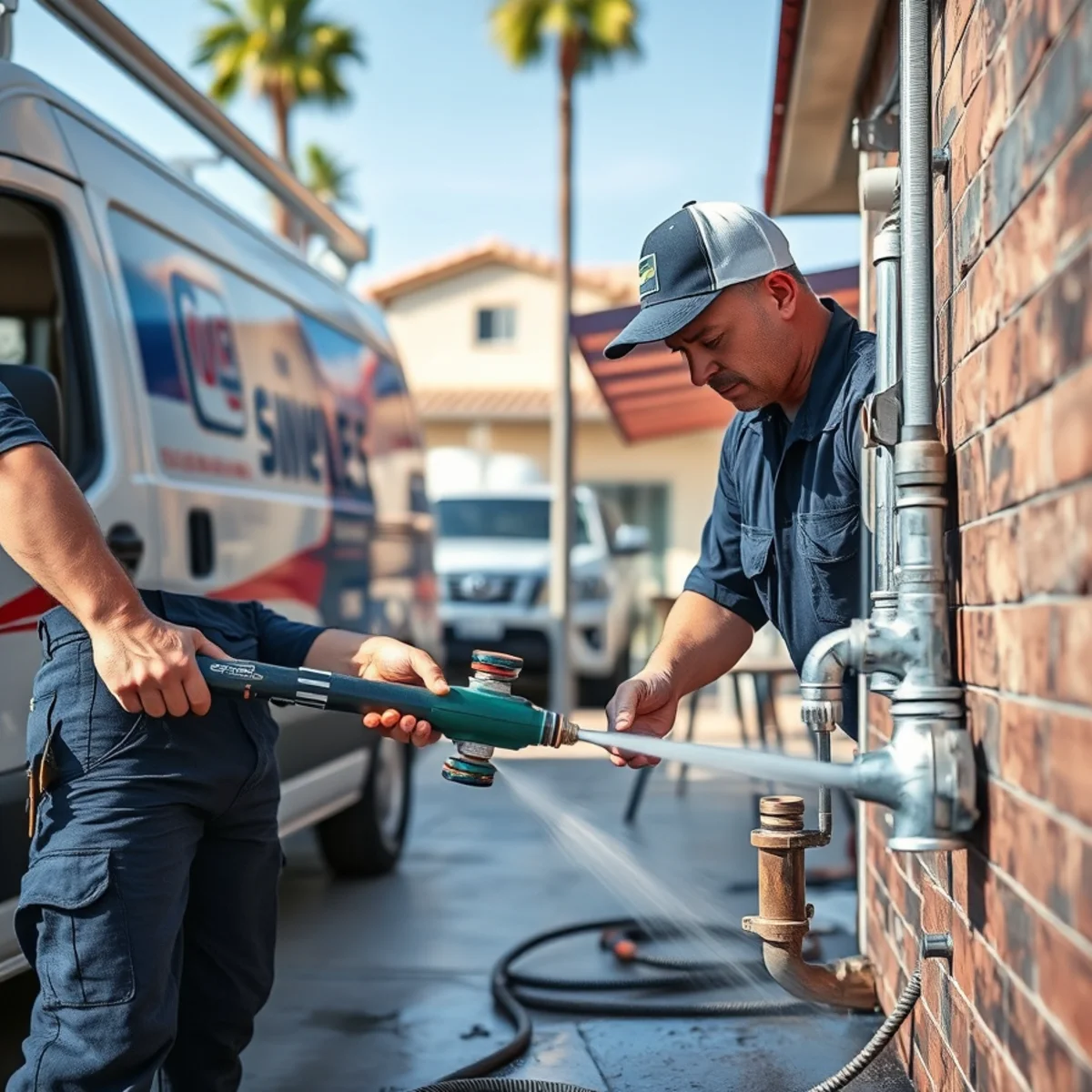
A sewer line backs up in a Las Vegas condo, and the first fight isn't about the pipe — it's about the bill. The homeowner points at the HOA, the HOA points at the homeowner, and everyone points at the neighbor upstairs. Meanwhile the line stays clogged.
Shared plumbing is one of the murkiest corners of condo and HOA living, and getting it wrong costs owners thousands. The short answer: it depends on where the problem sits and what your governing documents say. Here's how responsibility usually splits — and how to find out before you're standing in it.
The line that matters is where the problem sits
Most disputes come down to one distinction: is the failure in a pipe that serves only your unit, or in a line shared by several units? As a rule of thumb, the plumbing inside your walls that serves just your home — your fixtures, your branch drains, your angle stops — is usually the owner's responsibility. The main and common lines that carry waste and water for the whole building are usually the association's.
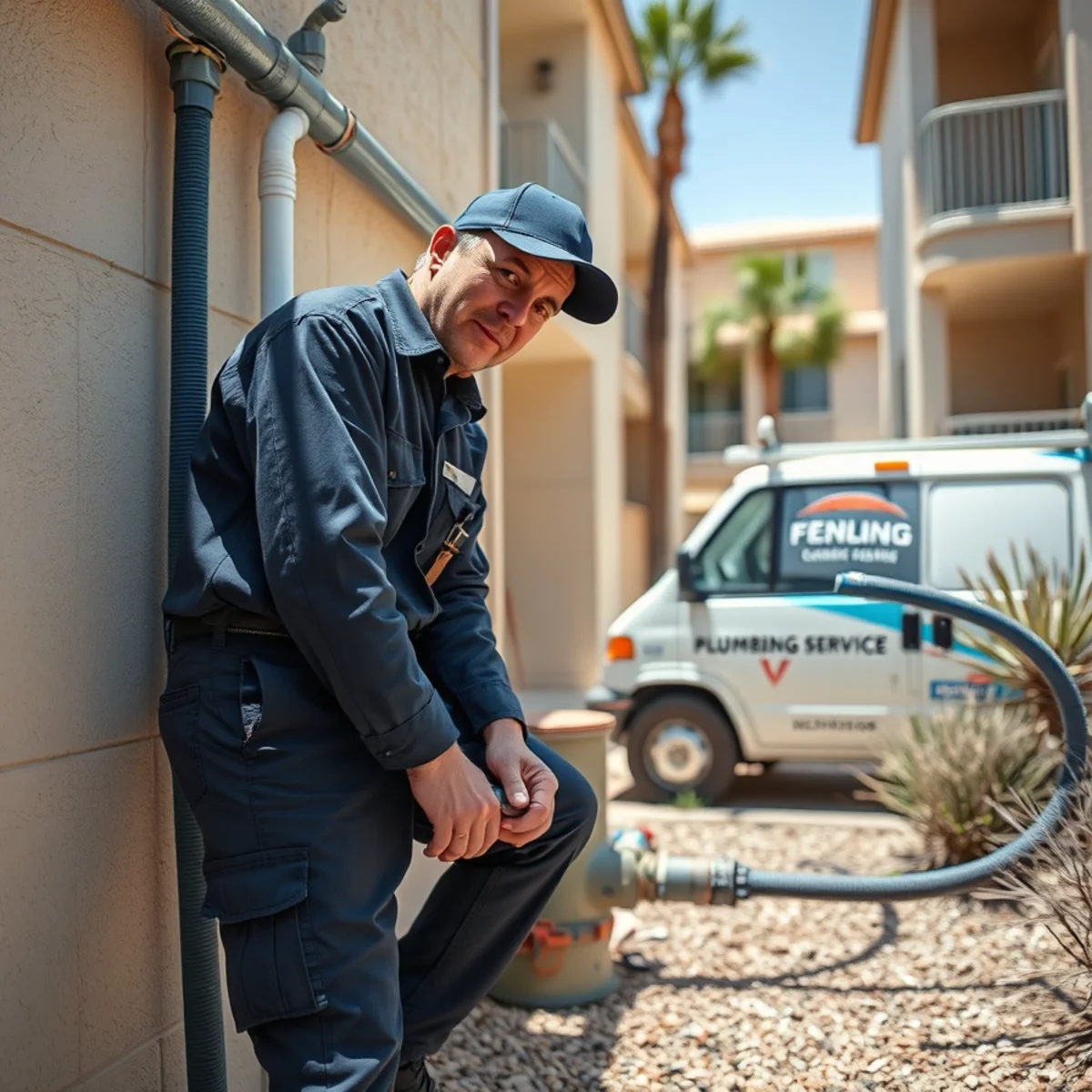
The gray zone is the vertical stack and the horizontal main that several units share. When a shared sewer or water line clogs or fails, it often serves multiple homes, which typically pushes it toward common-area responsibility — but 'typically' is doing a lot of work in that sentence.
Your CC&Rs are the real authority
Rules of thumb lose to the written document. Every association has CC&Rs — Covenants, Conditions and Restrictions — plus bylaws that define exactly what counts as 'common area,' what's 'limited common area,' and what belongs to the unit owner. That's where the actual answer lives.
Read yours before there's a problem. Look specifically for how they treat pipes inside interior walls, the point where a unit's plumbing ties into the shared line, and who carries responsibility for damage that starts in one unit and floods another. If the language is vague — and it often is — that's worth raising with your board before an emergency forces a rushed interpretation.
- Common area: shared by all — usually the HOA's pipes
- Limited common area: serves a few units — the split varies, so check the docs
- Unit / separate interest: serves only your home — usually the owner's
- The tie-in point: where your line meets the shared line — read the fine print
When one unit floods another
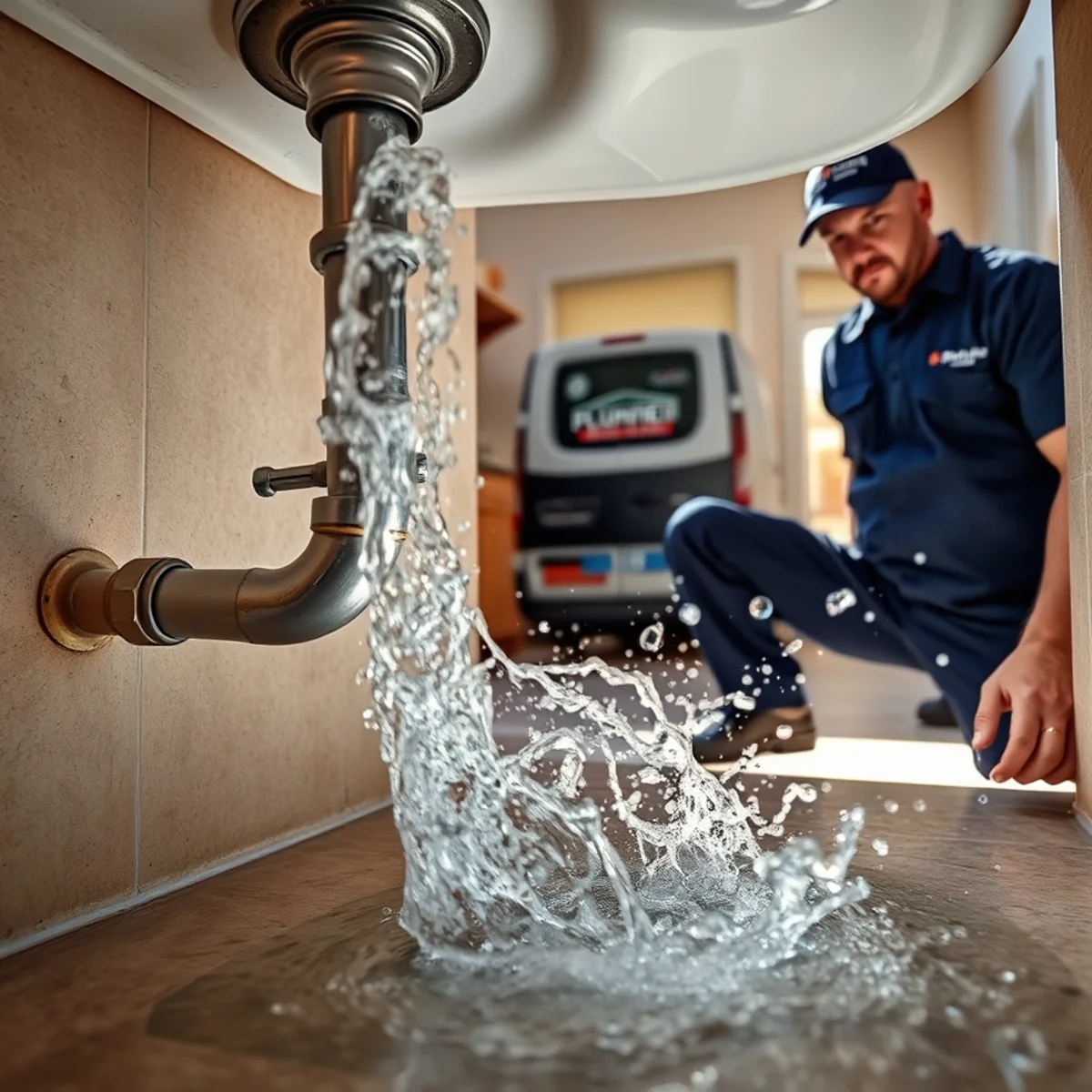
The hardest cases involve damage that crosses a wall or a ceiling. A supply line fails in an upstairs condo and ruins the ceiling below; a shared stack backs up into the ground-floor unit. Now you've got two owners, possibly the HOA, and two insurance companies in one conversation.
Generally the source of the water and the location of the failed pipe drive who's responsible, but insurance policies and CC&Rs interact in ways that surprise people. Two habits protect you: document everything with photos and a timeline, and know where your unit's shutoffs are so you can stop the water fast — our guide on finding and shutting off your main valve applies to condos too.
What this means for landlords and rentals
If you own a condo you rent out, the shared-line question layers on top of your own landlord responsibilities. Your tenant reports a backup; you need to know instantly whether it's your branch line (your cost, your plumber) or the association's main (their cost, their vendor) so nobody wastes a day arguing.
Short-term operators feel this most — a backup during a booked stay is lost revenue and a bad review. If you run a rental, our vacation rental plumbing checklist covers the between-stay habits that keep small issues from becoming a guest's problem, shared lines included.
Get a plumber who reads the building, not just the pipe
Diagnosing a shared-line problem means figuring out how the building is plumbed — which units feed which stack, where the cleanouts are, and where the association's responsibility ends and yours begins. That's commercial and multi-unit plumbing work, and it's different from a single-family house call.
We work with condo owners, boards, and property managers across the valley, including the dense condo and apartment communities of Paradise near the Strip and UNLV, where shared lines are the norm. We'll find the problem, tell you honestly which side of the line it's on, and document it so the responsibility conversation is based on facts. The same shared-line logic shows up in multi-tenant retail — our piece on restaurant plumbing maintenance covers the commercial version.
Talk to a Las Vegas plumber now
Open 24/7 for plumbing emergencies. Call for honest, up-front pricing.
Frequently asked questions
Is the HOA responsible for a clogged sewer line?
Often, if it's a main or shared line serving several units — but not always. Your CC&Rs define what's common area versus the owner's responsibility. A line serving only your unit is usually yours; a shared main is usually the association's.
Where do I find out who's responsible for what?
Your CC&Rs and bylaws. They spell out common area, limited common area, and unit-owner responsibility. Read them before a problem hits, and ask your board to clarify any vague language about pipes in shared walls.
A pipe in the unit above me flooded mine — who pays?
Generally the location and source of the failed pipe drive responsibility, but insurance and the CC&Rs both come into play. Document the source and damage with photos, and don't assume — check the governing documents first.
The bottom line
Shared-line responsibility comes down to two things: where the problem sits and what your CC&Rs say. Read the documents before there's an emergency, and when one hits, get a plumber who can tell you which side of the line you're on. We do exactly that across the valley — call (614) 830-0578.