If your Las Vegas home was built before the 1960s, there is a good chance the water lines are galvanized steel — pipe coated in zinc to fight rust. It was the standard for decades, and it has one guaranteed flaw: the zinc wears off, and then the steel rusts from the inside out.
Galvanized pipe does not fail all at once. It closes up slowly, choking your water pressure and dropping rust into your water for years before a leak ever appears. By the time most people notice, the pipe has been failing for a long time.
Here is how to tell if you have it, why it fails, and what replacement actually looks like.
How to know if you have galvanized pipe
Age is the first clue. Homes in the valley's oldest neighborhoods — the historic core around Downtown Las Vegas and the early postwar tracts — were plumbed in galvanized steel before copper took over.
You can often check yourself. Find an exposed supply line, in the garage or under a sink, and look at it. Galvanized pipe is dull silver-gray and threaded at the joints, and a magnet sticks to it. Scratch it and it stays gray-silver, unlike the orange-brown of copper. If it is that dull gray steel, you have galvanized.
Why galvanized fails in our water
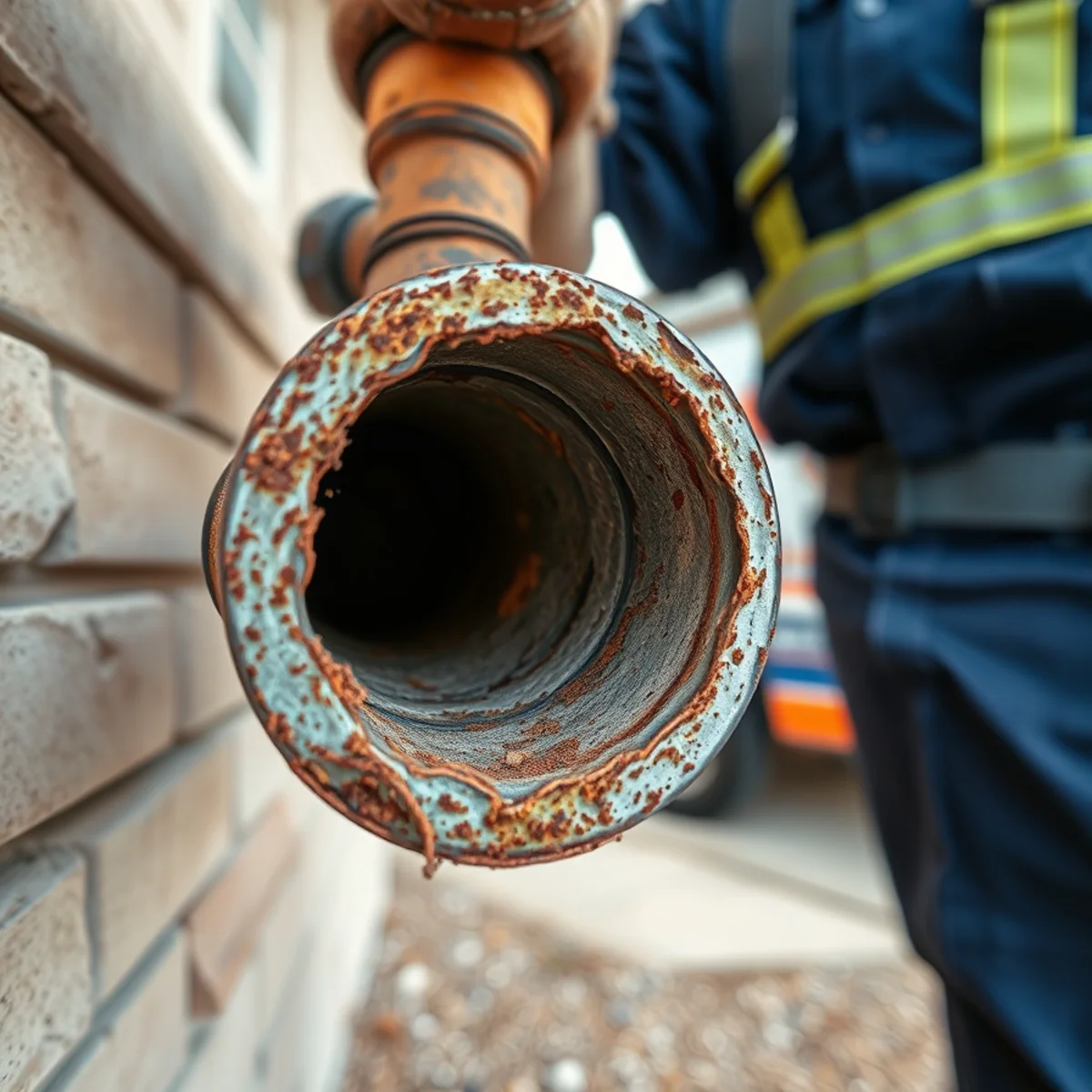
The zinc coating is sacrificial — it protects the steel only until it is used up. After that, the exposed steel corrodes, and rust builds up in layers on the inside wall of the pipe. Our hard, mineral-heavy water speeds this along, layering scale on top of the rust.
The pipe literally closes in on itself. A three-quarter-inch line can rust down to a pencil-width opening. That is why the failure feels like slowly losing water pressure rather than a sudden break — the pipe is strangling itself from the inside.
The signs it is time to replace
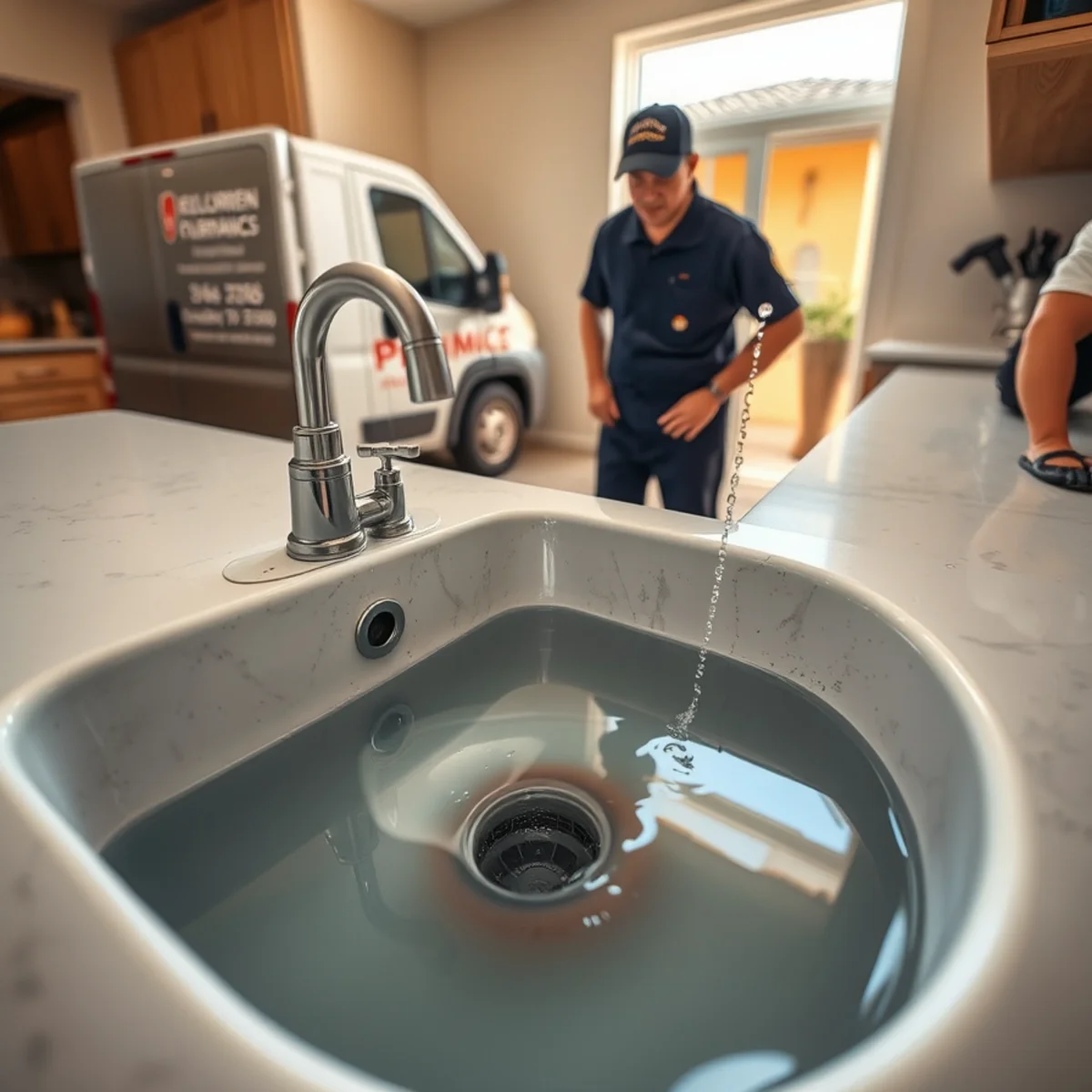
Galvanized gives you plenty of warning if you know the signs. The big one is weak pressure that has faded over years, often worse at fixtures farthest from the meter and worse on hot lines. Rusty or brown water — especially first thing in the morning or after the house sat empty — is rust shedding from the pipe wall.
You may also see uneven pressure between fixtures, or leaks starting at the threaded joints, which corrode first. Once one joint leaks, the others are close behind.
- Water pressure that has slowly dropped over the years
- Brown or rusty water, worst after the taps sit unused
- Fixtures farthest from the meter starved for pressure
- Leaks weeping at threaded joints — the first to go
Why patching galvanized is a dead end
The instinct is to replace just the leaking section. With galvanized, that rarely holds. The whole system is corroding at the same rate, so fixing one joint just moves the next failure down the line. Worse, splicing new pipe or copper onto old galvanized can create galvanic corrosion at the connection, which accelerates a fresh leak right there.
You also cannot restore pressure by patching — the rust that is choking the pipe is everywhere inside it, not just at the leak. The only real fix for a failing galvanized system is to replace it.
What replacement involves
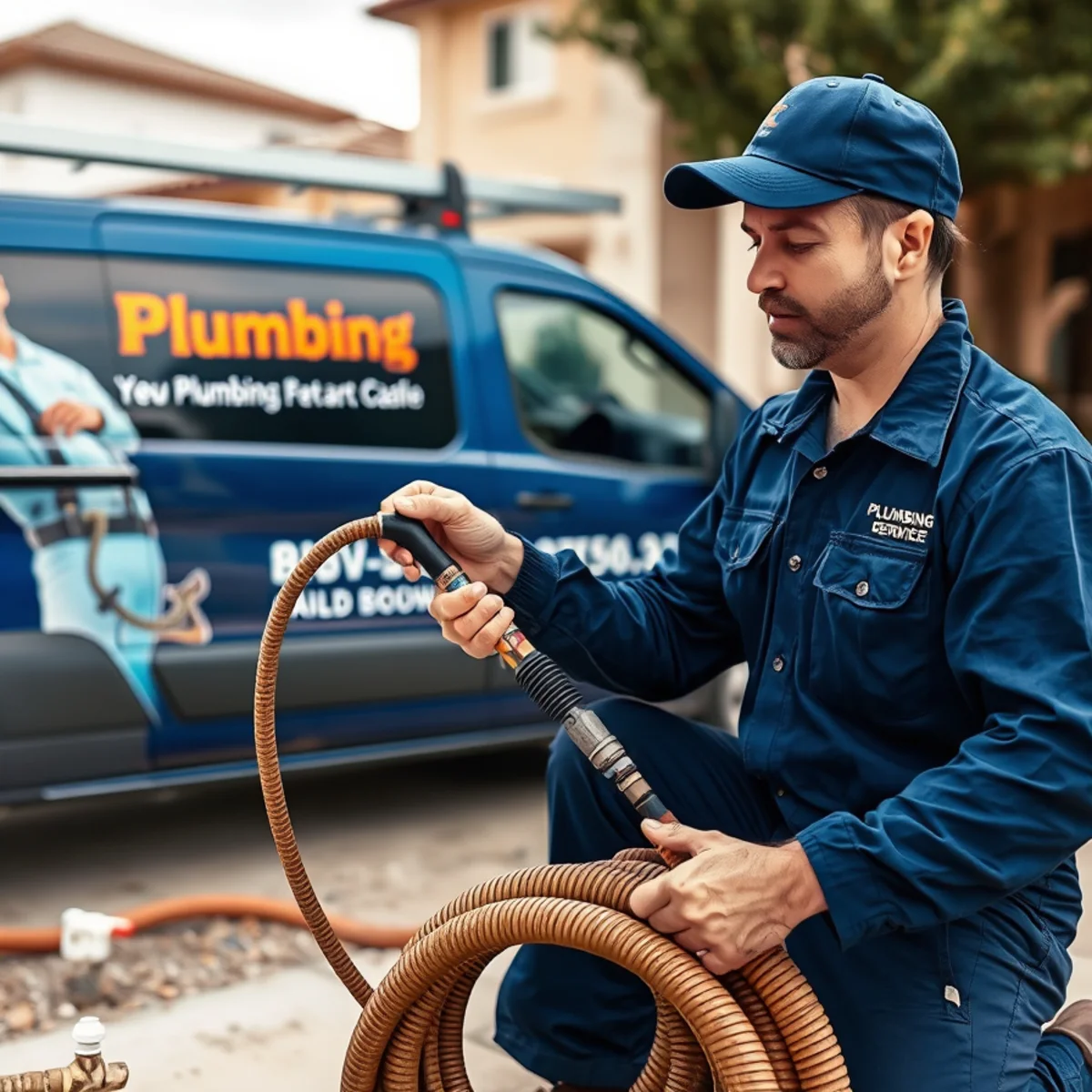
A whole-home repipe swaps the old galvanized lines for modern PEX or copper. We map the runs, open a minimal number of access points, route the new pipe, and patch back — most homes are done in a few days with water restored each night. PEX is the usual choice here: it will not rust, it handles our hard water and pressure swings, and fewer joints means fewer future leaks.
Before any of that, we confirm what is actually going on with leak detection and a pressure check, so you are replacing pipe because it needs replacing — not on a guess. Older copper homes face a parallel problem; our guide on pinhole leaks in copper covers that side. Either way, you get a written price up front.
Talk to a Las Vegas plumber now
Open 24/7 for plumbing emergencies. Call for honest, up-front pricing.
Frequently asked questions
Is the rusty water from galvanized pipe safe to drink?
The rust itself is mostly an aesthetic and taste problem, but old galvanized pipe can also hold onto other metals that accumulated over decades. Most people replace it well before that becomes the deciding factor — the pressure loss and leaks force the issue first.
Can I just replace the galvanized pipe that's leaking?
You can, but it seldom pays off. The rest of the system is corroding at the same pace, so you will be back for the next leak soon, and joining new pipe to old galvanized can trigger corrosion at that connection. A full repipe is the lasting fix.
How long does a whole-home repipe take?
Most Las Vegas homes are repiped in two to four days depending on size and layout, with water turned back on each evening. We keep wall openings to a minimum and patch them cleanly afterward.
The bottom line
Galvanized pipe rusts shut from the inside, and no amount of patching gives you back the pressure or stops the next leak. In an older valley home, a PEX repipe is the fix that lasts. Losing pressure or seeing brown water? Call (614) 830-0578.
Related pages